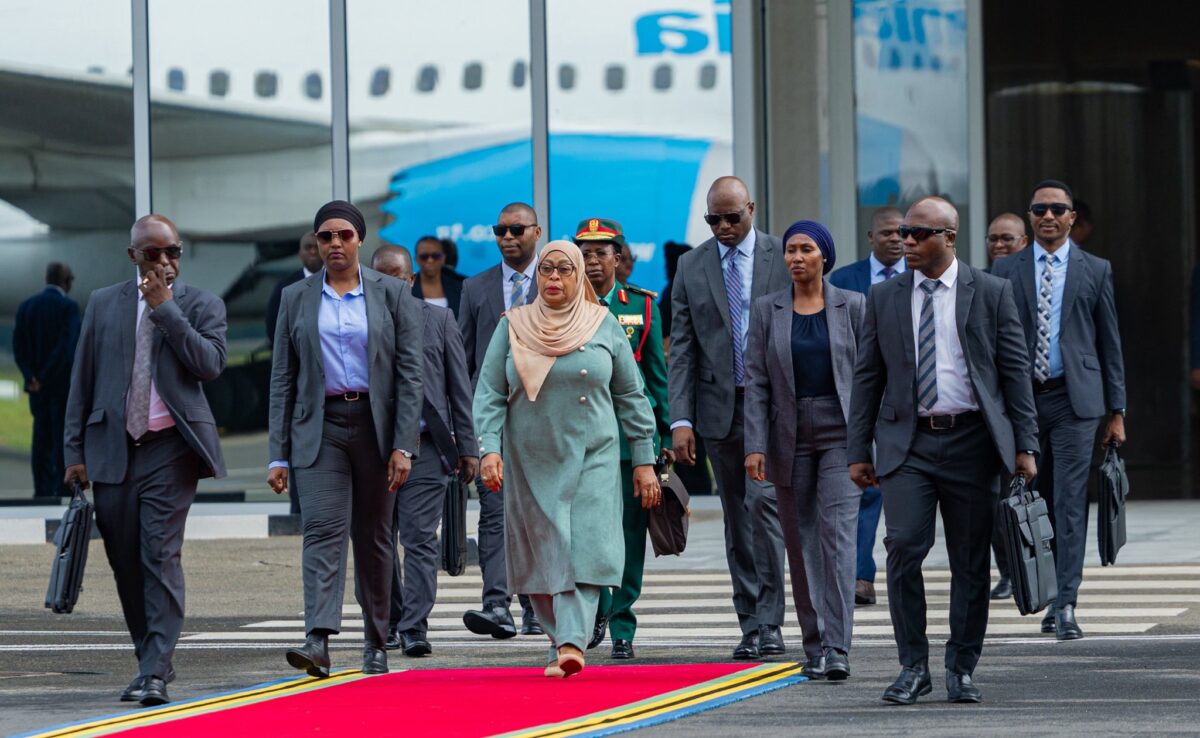
Tanzanian President Samia Suluhu Hassan arrived in Russia on Wednesday for a three-day state visit, seeking stronger economic and diplomatic ties at a time when her government is facing mounting criticism from Western countries over its human rights record.The visit marks the first state trip to Russia by a Tanzanian president since the country’s founding leader, Julius Nyerere, travelled to Moscow in 1969.
At the centre of the visit is a meeting with Russian President Vladimir Putin, whose government has moved quickly to deepen relations with Tanzania in recent months.
Growing Distance From the West
The trip comes against a backdrop of increasingly strained relations between Tanzania and several Western partners.
Human rights organisations and Western diplomats have accused the Tanzanian government of serious abuses linked to unrest surrounding last year’s elections. Critics have also raised concerns over reports of abductions, disappearances and attacks targeting political opponents and activists.
The Tanzanian government has rejected accusations that it condones unlawful actions and has defended its handling of public order and national security.
The United States has responded by reviewing aspects of its relationship with Tanzania. Last week, Washington imposed sanctions on a senior Tanzanian police officer over allegations connected to the torture of two activists.
At the same time, Russia has publicly embraced Hassan’s administration. Putin was among the first world leaders to congratulate her following her election victory.
Moscow and Dar es Salaam Draw Closer
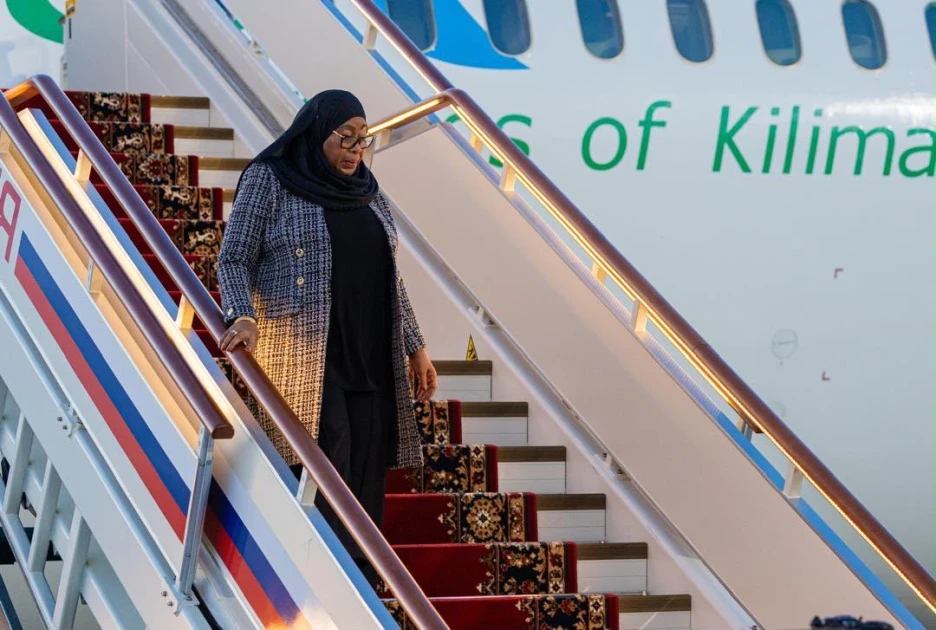
The warming relationship has already produced several initiatives.
Earlier this year, the two countries launched a Russia-Tanzania Business Council aimed at boosting commercial ties.
Last month, Air Tanzania announced plans to begin direct flights between Dar es Salaam and Moscow before the end of the year, a move expected to strengthen tourism and business links.
Hassan has travelled to Russia accompanied by a business delegation. Officials hope the visit will unlock new opportunities in trade, tourism, mining and investment.
Despite the political attention surrounding the trip, economic ties between the two countries remain relatively modest. Annual trade currently stands at just over $300 million.
One of the most significant joint ventures under discussion remains a proposed uranium mining project that has been under consideration for more than a decade.
A Strategic Opportunity
Analysts say the visit reflects shifting geopolitical realities.
For Russia, which continues to seek diplomatic support beyond Europe and North America, stronger ties with African nations carry increasing importance.
Some observers argue that Moscow sees value in cultivating relationships with governments facing criticism from Western capitals.
“Russia is being opportunistic,” said Fergus Kell, an analyst at the British think tank Chatham House. “It does not have a huge amount to gain economically, but it is taking advantage of the opportunity presented by a weakened Tanzanian administration.”
Another political analyst familiar with Tanzanian affairs said Russia may also value support from African countries in international forums, including votes at the United Nations.
Questions Over Accountability
The visit also revives international scrutiny of Tanzania’s domestic political environment.
A government inquiry into violence linked to last year’s election unrest reported that 518 people were killed. The findings did not identify those responsible, and rights groups have continued to call for greater accountability and independent investigations.
President Hassan has remained defiant in the face of criticism. She has repeatedly defended her government’s actions and accused some activists and protesters of undermining public order.
For now, however, the focus in Moscow is likely to remain on diplomacy and business.
As Hassan and Putin meet behind closed doors, both leaders will be looking for opportunities to strengthen a partnership that has gained momentum while Tanzania’s relations with parts of the West have come under increasing strain.
About the Author