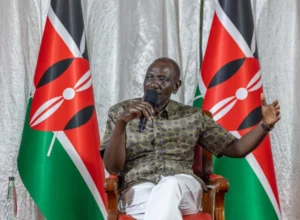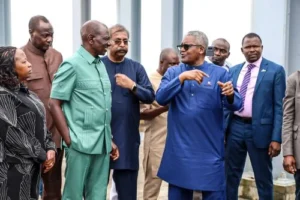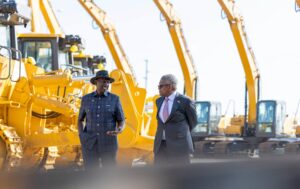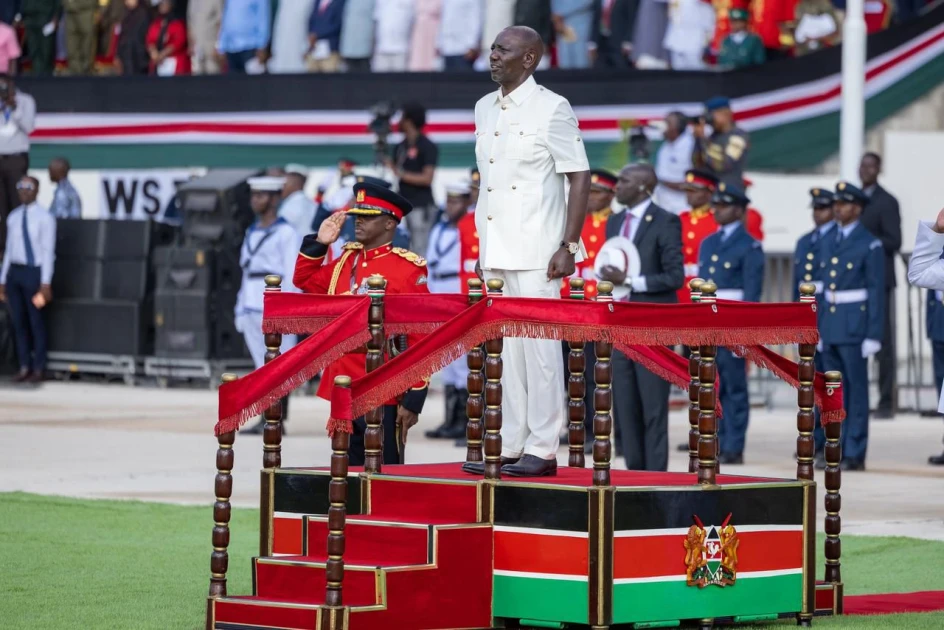
President William Ruto received an unusual and deeply symbolic gift on Monday as residents of Wajir County presented him with 100 camels during the country’s 63rd Madaraka Day celebrations.
The gesture, announced before thousands gathered at the newly built Wajir Stadium, was described by local leaders as a sign of gratitude for development projects undertaken in the region and a reflection of the community’s cultural traditions.
The celebrations carried added significance. For the first time since independence, a national holiday event of this scale was held in Kenya’s north-eastern region, placing Wajir at the centre of the country’s annual commemoration of self-governance.
A Cultural Gesture of Appreciation
Speaking during the celebrations, Wajir Governor Ahmed Abdullahi said the gift had been endorsed by community elders as a mark of respect and appreciation for the President.
“On behalf of the people of Wajir, we say thank you,” Abdullahi told the gathering.
He explained that in local tradition, camels represent one of the highest forms of honour that can be bestowed upon an individual.
“The elders of Wajir have decided to contribute 100 camels,” he said. “They will be delivered to a location of your choice.”
The governor said the gift reflected the community’s appreciation for government projects that residents believe have improved livelihoods and expanded economic opportunities in the county.
Wajir Takes Centre Stage
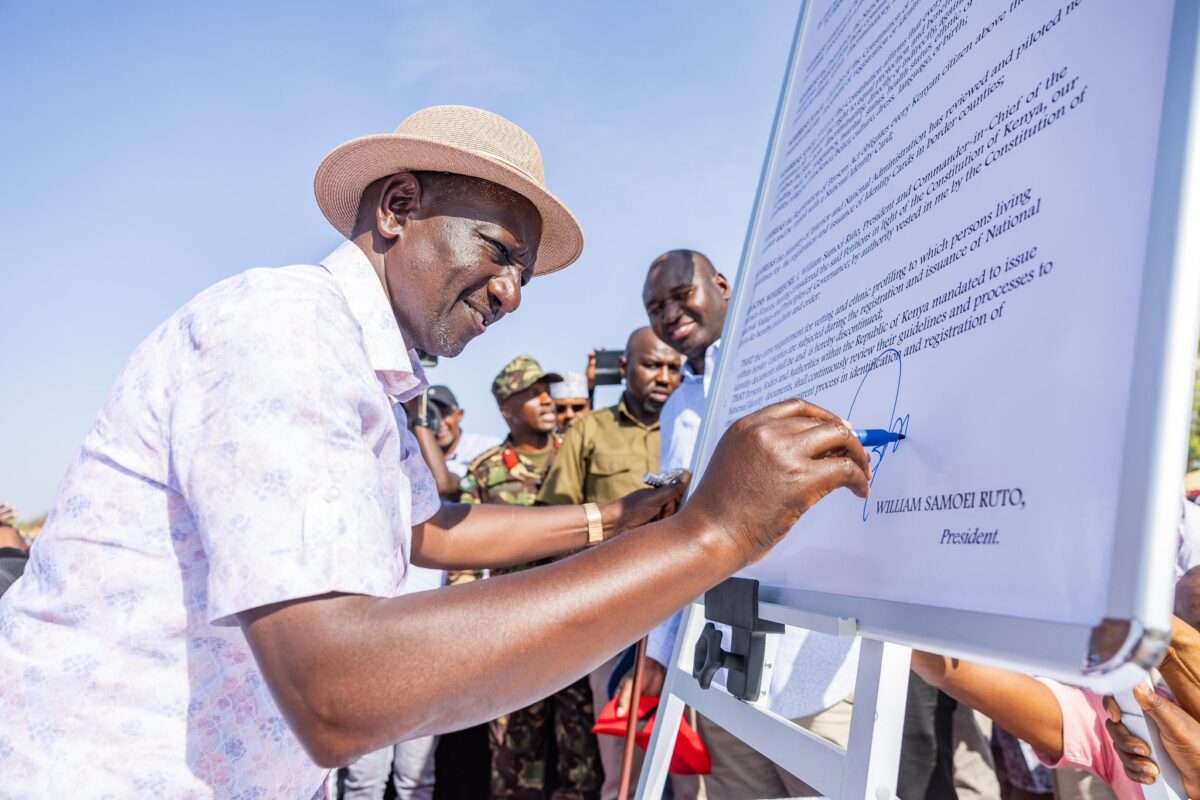
This year’s Madaraka Day celebrations marked a milestone for a region that has long argued it was overlooked in national development plans.
The choice of Wajir as host county was widely viewed as a recognition of the growing role of northern Kenya in the country’s economic and social landscape.
Throughout the event, government officials highlighted ongoing investments in infrastructure, education and public services across the region.
President Ruto, who also used the occasion to apologise for decades of marginalisation experienced by communities in northern Kenya, framed development as a matter of equity and national unity.
Focus on Education and Opportunity
The 2026 celebrations were held under the theme, “Education, Skills and the Future,” placing learning and workforce development at the heart of the national conversation.
In his address, the President pointed to his administration’s efforts to recruit teachers and expand educational infrastructure across the country.
“Our commitment is that no child in Wajir or in the northern Kenya region will be denied the opportunity to learn because of geography or historical neglect,” he said.
He argued that improving access to education would be key to unlocking opportunities for young people and narrowing regional inequalities.
Symbolism Beyond the Gift
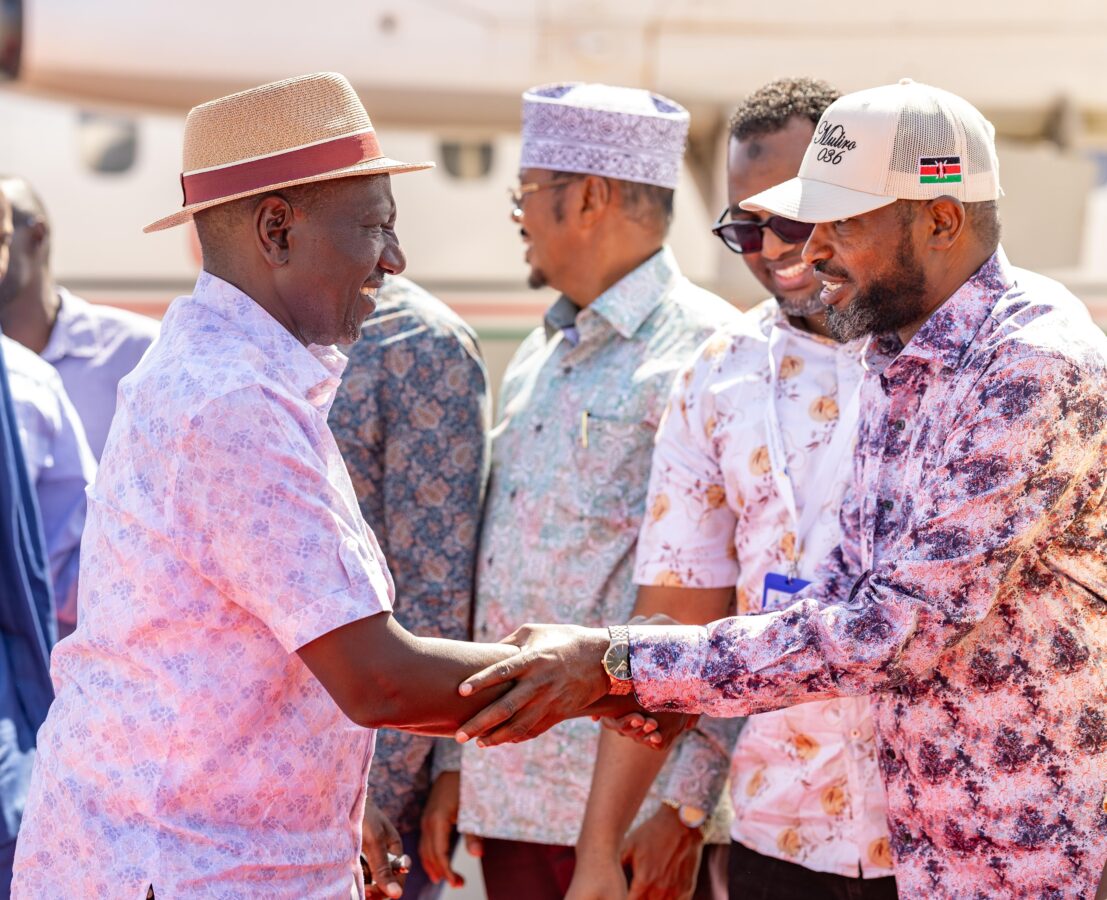
While the announcement of 100 camels captured attention, the day was also about a broader message of inclusion.
For many residents, hosting Madaraka Day in Wajir was itself a powerful statement that the region occupies a more prominent place in Kenya’s national story than it once did.
The gift from the elders served as a cultural expression of that moment — one rooted in tradition, gratitude and a desire for continued partnership between the region and the national government.
As celebrations continued inside the packed stadium, the image of the camel gift stood out as one of the day’s most memorable moments, blending local customs with a national occasion watched across the country.
About the Author