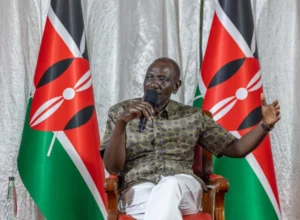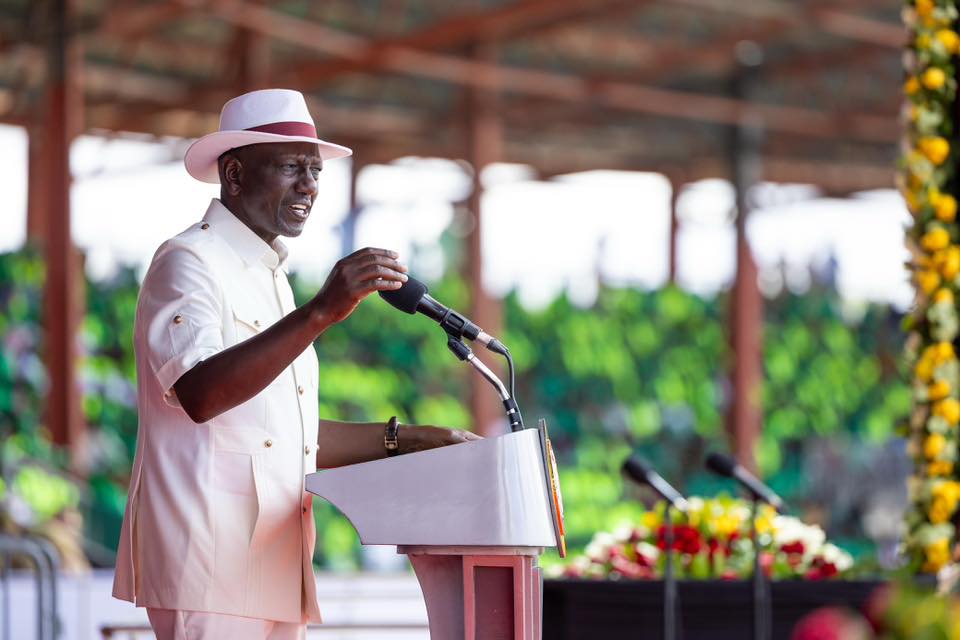
President William Ruto used Kenya’s 63rd Madaraka Day celebrations to deliver an unusually candid message from the national stage: an apology to the people of Northern Kenya.
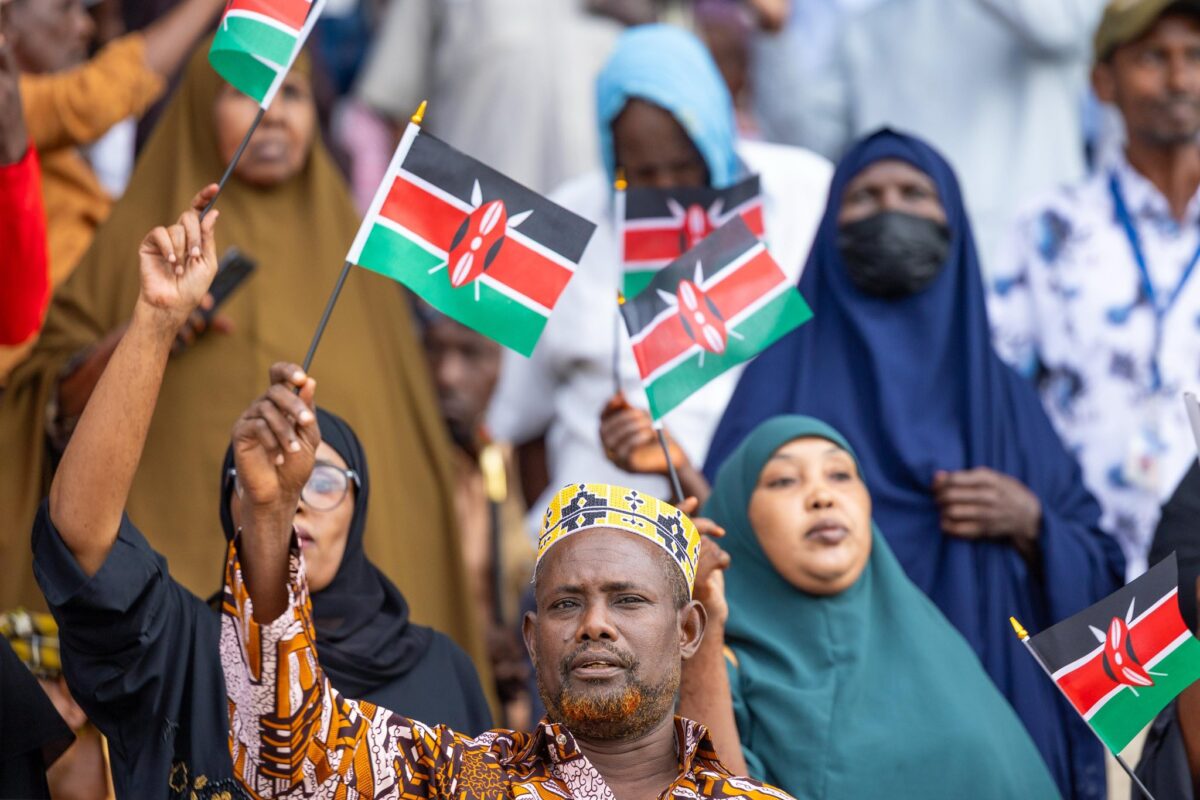
Standing before thousands gathered at Wajir Stadium, Ruto acknowledged decades of exclusion that have left much of the region lagging behind the rest of the country in infrastructure, public services and economic opportunities.
“Poleni sana ndugu zetu,” the President told the crowd. “We are very sorry, our brothers. It was never meant to be this way.”
The remarks marked one of the most direct acknowledgements by a sitting Kenyan president of the grievances long voiced by communities across the country’s northern frontier.
The choice of Wajir as the host of this year’s Madaraka Day celebrations carried considerable symbolism. It was the first time since independence that the national event had been held in the region, drawing attention to an area that many residents have historically viewed as distant from the centre of political and economic power.
President Ruto said the occasion was intended to send a message that every part of Kenya deserves equal recognition and opportunity.
“This is what we meant when we said we will leave no one behind,” he said. “For the first time in 63 years of self-rule, a national celebration is being hosted here in Wajir, in the heart of Northern Kenya.”
Moving beyond the ceremonial tone that often defines national celebrations, the President reflected on what he described as years of policy failures and neglect.
“For too long, some said this region was too difficult, too remote, too dry and too insecure to deserve development,” he said. “That was wrong then, it is wrong now and it will forever remain wrong.”
For many residents, the acknowledgement touched on a painful chapter of Kenya’s history. Northern Kenya has for decades faced challenges linked to under investment, insecurity and limited access to public services. Successive governments have launched development programmes in the region, but concerns over inequality and slow implementation have persisted.
President Ruto sought to position his administration as one focused on closing that gap. He outlined plans for continued investment in roads, connectivity and other public projects aimed at integrating the region more closely with the rest of the country.
The President argued that the event in Wajir was more than a symbolic gesture. It was, he said, a statement about the kind of nation Kenya hopes to become.
“Madaraka, our freedom, our dignity and our self-determination, was never meant for some Kenyans and denied to others,” he said.
Whether the apology and promises translate into lasting change remains to be seen. For now, many in Wajir welcomed the moment as a rare recognition of concerns that have often been raised but seldom addressed so openly from the country’s highest office.
As celebrations continued across the stadium, the message from the President was clear: Northern Kenya, long regarded as Kenya’s periphery, should no longer be treated as an afterthought.
About the Author