Opposition leaders have stepped up attacks on President William Ruto over rising fuel prices, accusing his administration of deepening the country’s cost of living crisis through new tax proposals in the Finance Bill 2026.
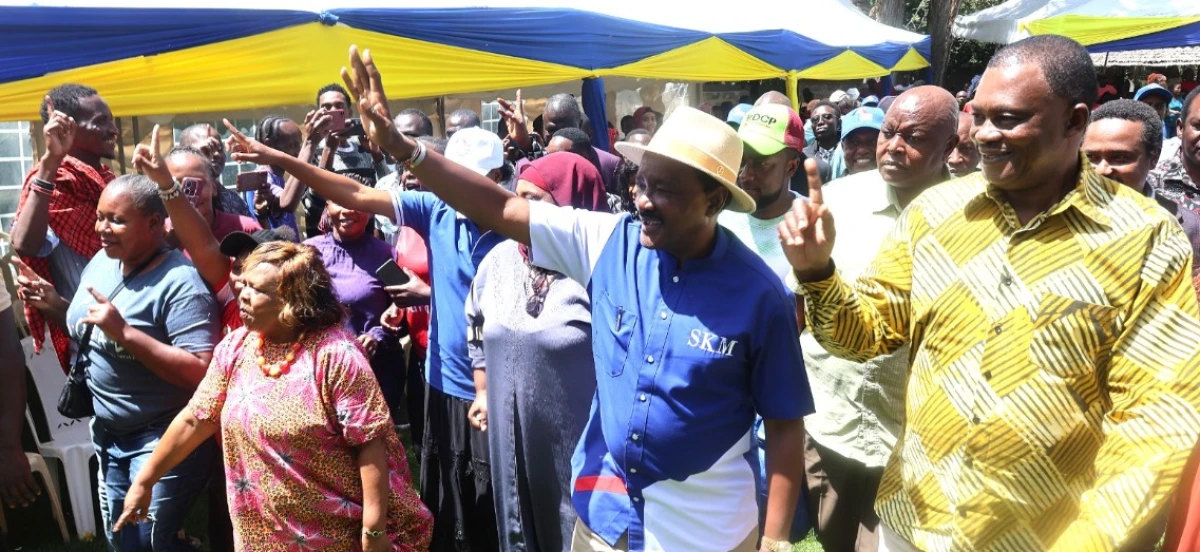
Speaking at rallies in Kenya and during meetings abroad, figures linked to the United Opposition urged Kenyans to reject the proposed Bill, saying it would place an even heavier burden on families already struggling with high transport fares and the rising price of basic goods.
Former Deputy President Rigathi Gachagua, while addressing supporters in the United Kingdom, accused the government of failing to protect ordinary citizens from sharp increases in fuel costs. He argued that the latest price hikes reflected wider concerns about the country’s economic direction and growing public debt.
The criticism comes at a tense moment for the government. Recent fuel price increases sparked protests in several towns, with demonstrations turning violent in some areas after clashes between protesters and police. Reports indicated that several people were killed while dozens more were injured during the unrest.
Opposition leaders say the proposed Finance Bill risks inflaming public anger even further. They argue that additional taxes would hurt households already under pressure from rising living expenses.
But the government has defended the legislation.
Treasury Cabinet Secretary John Mbadi dismissed broad calls to reject the Bill outright, saying critics should identify the specific clauses they oppose instead of condemning the entire proposal.
The growing political battle has revived memories of the 2024 anti-Finance Bill protests, when widespread demonstrations forced President Ruto’s administration to withdraw the controversial legislation following deadly unrest and the storming of Parliament.
As debate over the Finance Bill 2026 intensifies, the issue is quickly shaping into another major test for the government, with the opposition hoping public frustration over fuel prices and taxes will translate into broader political pressure.
About the Author