NAIROBI, Kenya, May 6 — Kenya has outlined an ambitious restoration and climate resilience agenda targeting degraded rangelands and drylands as policymakers, conservation experts and investors gathered in Nairobi on Wednesday for the Global Landscapes Forum (GLF) Africa 2026.
Speaking on behalf of the Kenya government, Environment Cabinet Secretary Deborah Barasa said Kenya was scaling up restoration efforts through policy reforms, climate adaptation programmes and large-scale ecosystem recovery initiatives.
“We are restoring more than 10.6 million hectares of degraded land with a strong focus on rangelands and drylands,” Barasa told delegates during the high-level forum.
“We have committed to grow 15 billion trees by 2032 as part of efforts to increase tree cover, restore various ecosystems and contribute to global climate action,” she added.
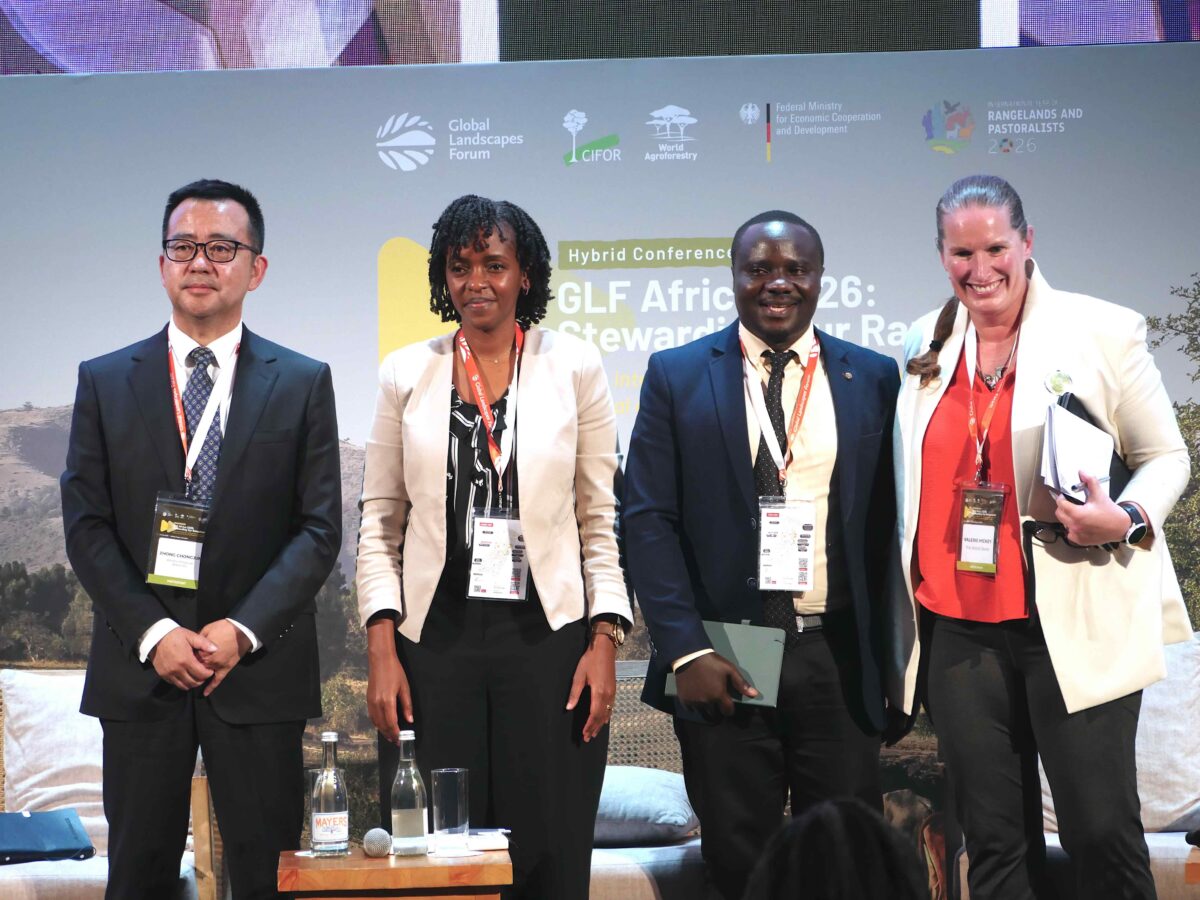
The forum brought together participants from across Africa, China and international development institutions to discuss how governments, communities and the private sector can work together to restore degraded landscapes while improving livelihoods and climate resilience.
Barasa said Kenya’s restoration strategy is anchored in legislation and policy frameworks including the Forest Conservation and Management Act 2016, the National Landscape and Ecosystem Restoration Strategy, the National Climate Change Action Plan and agroforestry programmes.
“These instruments collectively provide a coherent pathway towards sustainable landscape management and climate resilience in line with our national and global commitments,” she said.
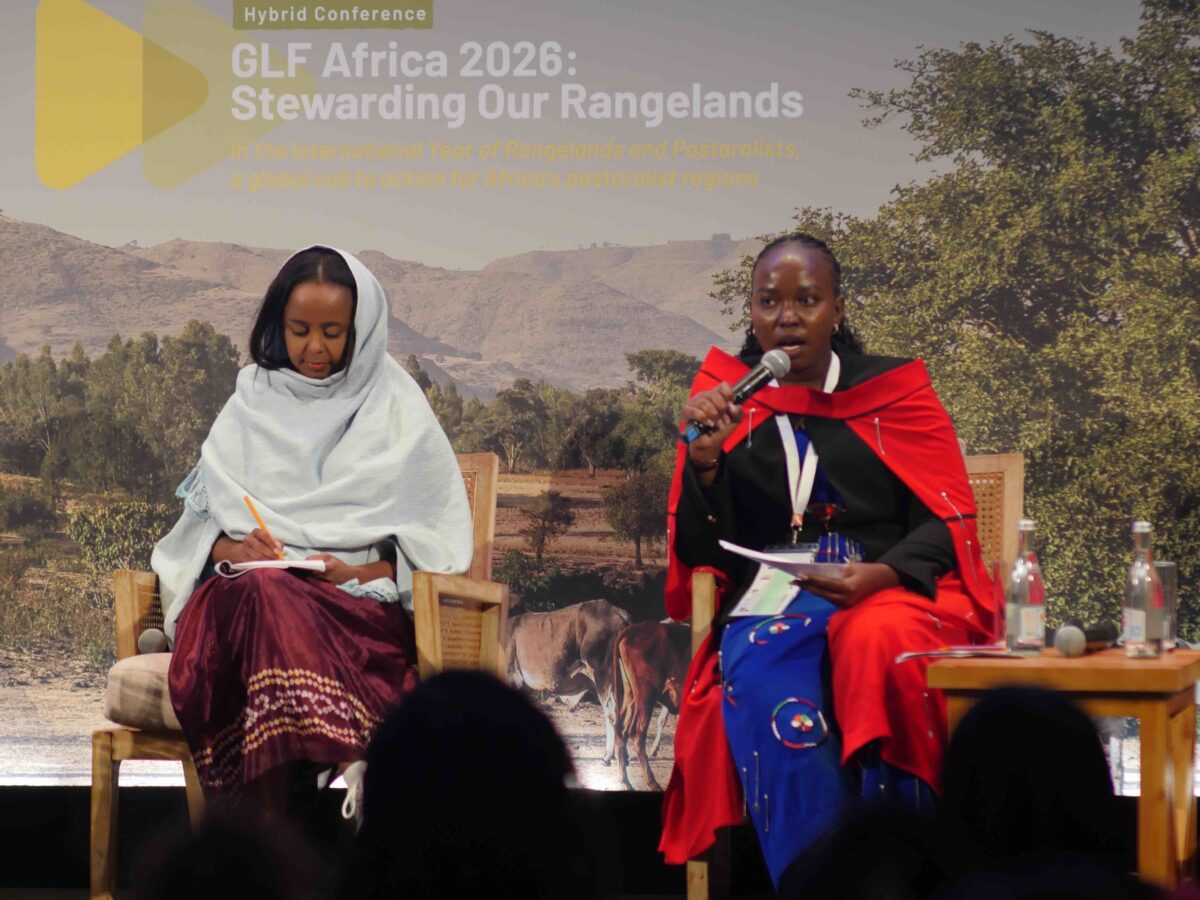
She noted that Kenya’s arid and semi-arid lands, which account for more than 80 percent of the country’s landmass, remain central to the government’s restoration and resilience agenda.
“Significant investments have been directed towards building resilience in climate-sensitive sectors particularly agriculture, livestock and rangelands which support millions of Kenyans,” Barasa said.

She highlighted programmes including the Kenya Climate Smart Agriculture Project, index-based livestock insurance schemes and Green Climate Fund-supported ecosystem adaptation initiatives aimed at protecting vulnerable pastoralist communities from drought-related losses.
The discussions also focused heavily on the role of private investment in restoration economies and the need to create commercially viable environmental projects.
Nyambura Karita, Programme Director for Commercial Forestry, said restoration efforts would only scale sustainably if governments moved beyond consultation towards co-design with investors and communities.
“The challenge I would potentially throw out is moving from consultation to co-design,” Karita said.
“Co-design says, ‘I don’t have all the answers. I think you’re an important partner and so let’s come together and formulate that solution collectively together,’” she added.
Karita argued that restoration discussions have traditionally focused heavily on tree planting and resource establishment while paying less attention to building industries, markets and financing systems capable of generating long-term returns.
“Private sector needs to see the return on their investment and they need to see it at scale if they’re going to invest in something that becomes large scale,” she said.
Chinese officials attending the forum pointed to their country’s ecological restoration programmes as examples of how environmental protection and economic growth can be pursued simultaneously through long-term planning and investment.
One Chinese delegate cited the country’s “Two Mountains Theory,” which frames ecological protection as a driver of economic value.
“Ecology is economy in itself and protecting ecology is developing our economy,” the official said.
The session also explored the role of policy frameworks, technology, data systems and climate finance in accelerating restoration efforts globally.
A live audience poll during the discussions showed participants viewed enabling regulations and investment frameworks as the most critical drivers of restoration success.
Barasa used the forum to rally international support ahead of the UN Convention to Combat Desertification COP17, which Kenya is preparing to host in 2026.
“This forum provides an important platform to build momentum. We must use this opportunity to strengthen partnerships, mobilize resources and scale action,” she said.
The GLF Africa summit continues through May 7 with sessions focusing on pastoralism, climate finance, biodiversity conservation and sustainable food systems.
About the Author