


The Hidden Patterns Shaping Everyday Life From Phone Habits to Time, Memory and Attention
Most people move through the day without thinking too much about how they do it.
They check their phones, repeat routines, follow familiar choices, and assume it is all fairly ordinary. Nothing unusual. Nothing worth questioning.
But beneath these small actions sits a set of quiet psychological patterns. They influence behaviour, shape perception, and even affect how time and memory feel.
Once noticed, they are difficult to ignore.
1. The quiet habit of checking your phone

It often starts without intention.
You pick up your phone for no clear reason. You unlock it, scroll briefly, then put it down. A few minutes later, the same thing happens again.
There is usually no urgent message waiting. Still, the behaviour repeats.
“It is not about what is there,” said one behavioural psychologist. “It is about what might be there.”
That uncertainty, the possibility of something new is what keeps the habit alive. Over time, the action becomes automatic. A reflex rather than a decision.
2. Why repetition feels safe

Beyond phone use, repetition appears everywhere in daily life.
People listen to the same music, follow the same routes, and return to familiar places. At first, it looks like preference. But it often reflects something deeper.
Repetition reduces mental effort. It removes uncertainty. In a world that constantly changes, familiarity becomes a form of relief.
As one sociologist explained, “When life feels unpredictable, routine becomes a way to regain control.”
3. Why time feels like it moves faster

Many adults describe a shared experience: time seems to speed up with age.
Childhood memories often feel stretched. Adult years, by contrast, can blur together.
The explanation lies in how the brain records experience. New events create stronger memory markers. Repeated routines create fewer.
So when looking back, a year filled with novelty feels long. A year filled with routine feels short.
Time itself does not change. The way it is stored does.
4. The invisible influence of other people
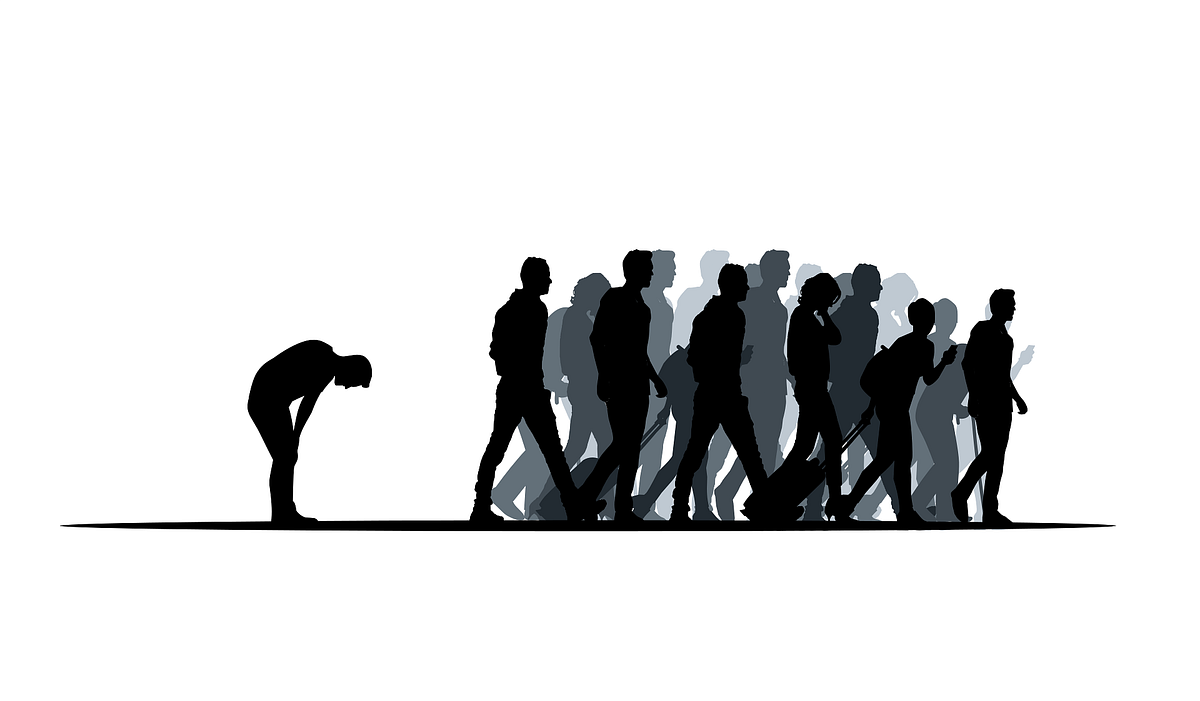
Even decisions that feel personal are often shaped by environment.
People tend to adopt behaviours they see repeatedly what is normal in their surroundings gradually becomes their own standard.
This influence is rarely direct. It does not need to be.
“It works through exposure,” said a behavioural analyst. “What you see often enough begins to feel correct.”
5. Why thoughts feel heavier at night

Many people notice a shift in thinking as night approaches.
Concerns become louder. Reflections feel deeper. Some thoughts that were easy to ignore during the day become more present.
This is partly due to reduced distraction. Daytime is filled with activity. Night is not.
In that quieter space, the mind has more room to process what was previously pushed aside.
6. How memory can change without you realising

Memory is not a fixed record.
Each time something is recalled, it is rebuilt. Details can shift slightly. Emotions can influence how it is remembered.
Over time, the version in your mind may differ from what originally happened — even if it feels completely accurate.
This is why two people can experience the same moment and remember it differently.
None of these patterns are dramatic on their own. They do not demand attention or announce themselves.
But together, they quietly shape how people think, behave, and interpret the world around them.
Daily life is not as random as it feels. It is structured by habit, perception, and attention often operating just outside awareness.
And the shift is simple.
It is not the world that changes.
It is noticing how it has been working all along.
About the Author