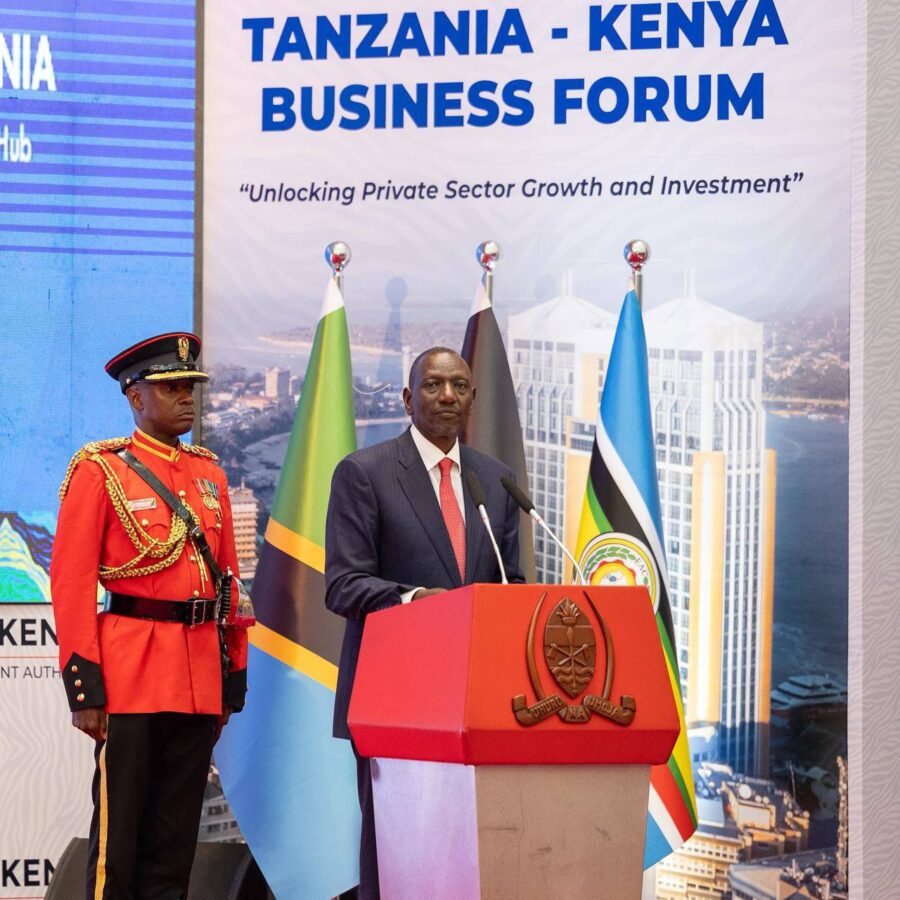
President William Ruto has thrown his weight behind plans for a massive regional oil refinery in Tanzania, arguing that East Africa can no longer afford to depend heavily on refined fuel imports from the Middle East.
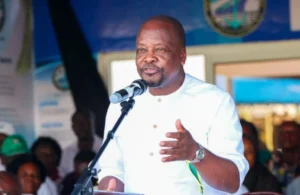
Speaking before Tanzania’s National Assembly on Tuesday, Ruto framed the proposed refinery in Tanga as both an economic and strategic project for the region. “The resources we have are good enough to help us find jobs and wealth,” he said. “If we unite as three nations, we will build that oil refinery.”
The proposed facility, expected to cost around $20 billion, would be one of the largest industrial projects in East Africa. Supporters say it could help stabilise fuel supplies, lower import costs and create thousands of jobs across the region. For years, countries in East Africa have relied heavily on imported refined petroleum products, much of it shipped through the Strait of Hormuz. That dependence has repeatedly exposed the region to global price shocks and geopolitical tensions.
Ruto said the refinery would help shield the region from those disruptions.
“We should produce fertiliser here, plastic here, instead of going to the Strait of Hormuz and bringing it here,” he told lawmakers. The remarks come amid renewed instability in the Gulf following tensions linked to the conflict between the United States and Iran, developments that have once again unsettled global energy markets.
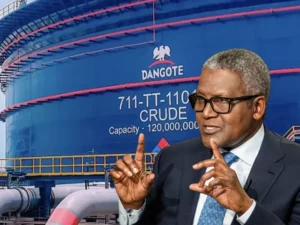
Ruto also referenced discussions held during the Africa We Build Summit in Nairobi in April, where Nigerian billionaire Aliko Dangote expressed interest in supporting the refinery project if governments in the region committed themselves politically and financially.
“If they support the refinery, we’ll build the identical one we have in Nigeria,” Dangote said at the summit, referring to his 650,000-barrel-per-day refinery in Lagos. The Kenyan president said Nairobi was ready to become a full regional partner in the initiative. “The crude oil pipeline is already heading to Tanga,” Ruto said. “It will be very short from Tanga to Mombasa. We will not be bothered with Hormuz and other places.”
He added: “What is good for Tanzania is good for Kenya, and what is good for Kenya is good for Tanzania.”
The refinery proposal reflects a broader push among African governments to process more raw materials locally rather than export crude products and import finished goods at higher prices.
Supporters argue that regional refining could reduce pressure on foreign exchange reserves, strengthen manufacturing and deepen economic integration within the East African bloc.
Still, projects of this scale often face major financing, environmental and political hurdles. Analysts have previously warned that large refinery developments require stable supply chains, clear regional agreements and long-term investor confidence to succeed.
The plans also come as Yoweri Museveni presses ahead with Uganda’s own refinery project in Kabaale, Hoima District. That facility, expected to process 60,000 barrels per day, is aimed at serving domestic and regional fuel markets once operational.
About the Author