
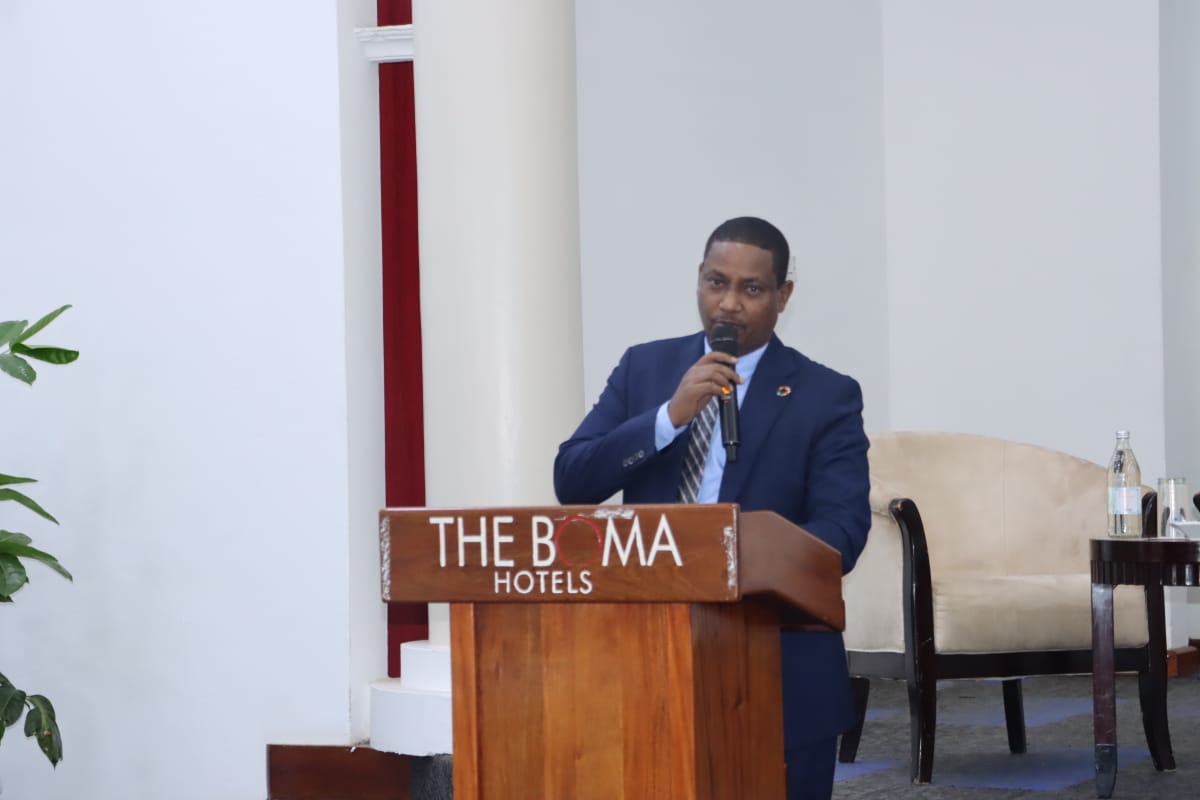
The National Environment Management Authority (NEMA) has issued a stark warning over the deteriorating state of Kenya’s rivers, signaling a tougher stance on enforcement. Speaking before a mixed audience of government officials and industry leaders in Nairobi, Director General Dr Mamo B. Mamo painted a troubling picture of waterways under strain and a regulator no longer willing to look the other way.
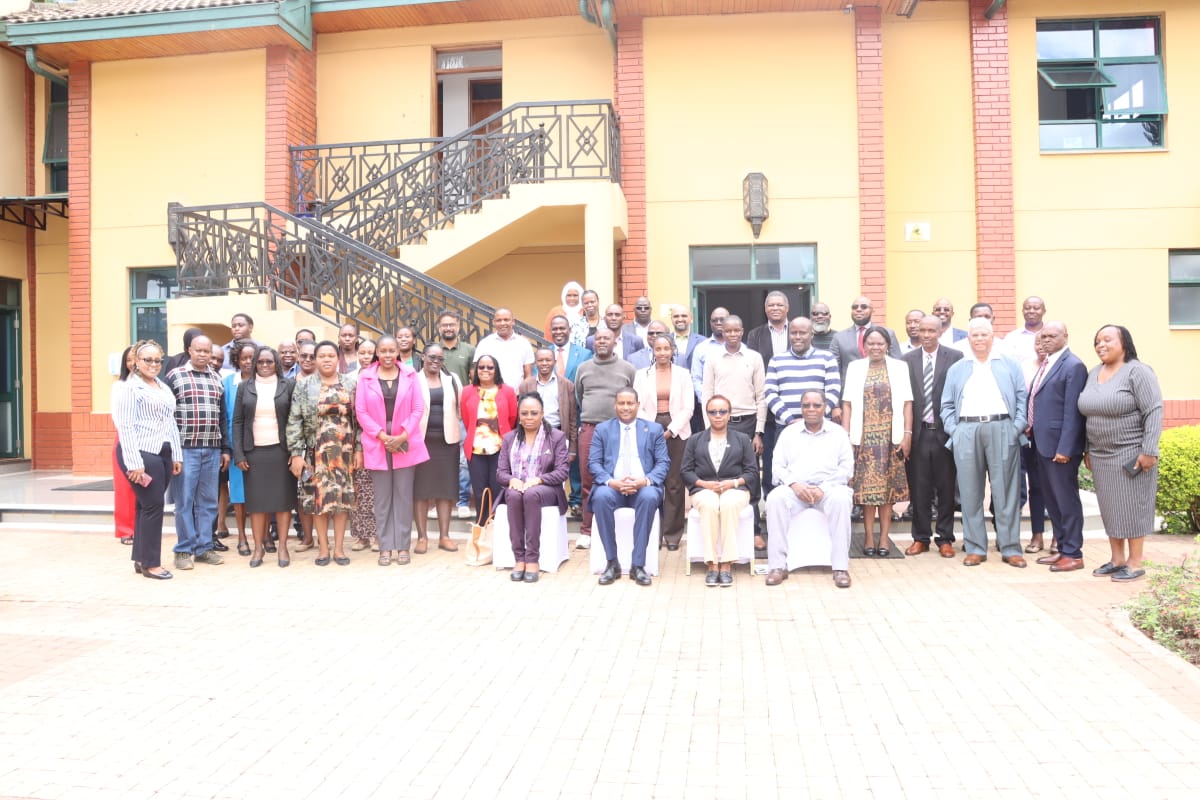
The meeting, framed as an industry compliance engagement workshop, brought together actors from both the public and private sectors. It was less a routine consultation and more a call to account.

The Nairobi River, whose source lies in the Ondiri wetland, has long struggled under the weight of rapid urban growth. But officials now say the situation has reached a critical point.
Among the main causes includes; ageing and frequently failing sewer systems, which release untreated waste into the river. Illegal dumping of solid waste remains widespread. Industrial effluent continues to find its way into the water.
Informal settlements, many without proper sewer connections, add to the burden. So too does the steady encroachment onto riparian land, narrowing the river’s natural buffer.
Behind these visible problems lie deeper structural issues.
Outdated industrial technology, poor land-use planning, and weak enforcement have all played a part. Factories and residential areas have grown side by side, often without adequate infrastructure to manage waste.
“When enforcement is weak, some industries simply bypass the rules,” Dr Mamo said.
Kenya’s legal framework is clear. The 2010 Constitution guarantees the right to a clean and healthy environment. It also places a duty on the state to ensure sustainable management of natural resources.
Yet translating law into practice has proved difficult.
NEMA says it is now shifting its approach. Industries are being urged to cut waste at the source and adopt recycling measures. Twenty-six companies have already signed up voluntarily to a compliance programme.
The authority has also introduced a system that will see facilities install environmental sensors, allowing pollution levels to be monitored in real time.
Even so, the tone of the meeting suggested that persuasion alone will not be enough.
“Compliance is not optional,” Dr Mamo said. “NEMA is a regulator, and we must ensure the law is followed.”
From next week, joint inspection teams made up of NEMA officers and police will begin visiting facilities along the river. Non-compliant firms face public exposure, with their names set to be released through mainstream media.
For the worst offenders, closure is on the table. The agency’s enforcement director has been instructed to begin issuing shutdown orders where necessary.
Officials insist the measures are not punitive for their own sake.
“This is urgent and necessary,” Dr Mamo said, adding that companies willing to improve will receive support, while those meeting standards will be recognised.
A familiar challenge
This is not the first time authorities have moved against polluters along the Nairobi River. In 2018, more than 40 facilities were shut down in a similar crackdown.
About the Author