
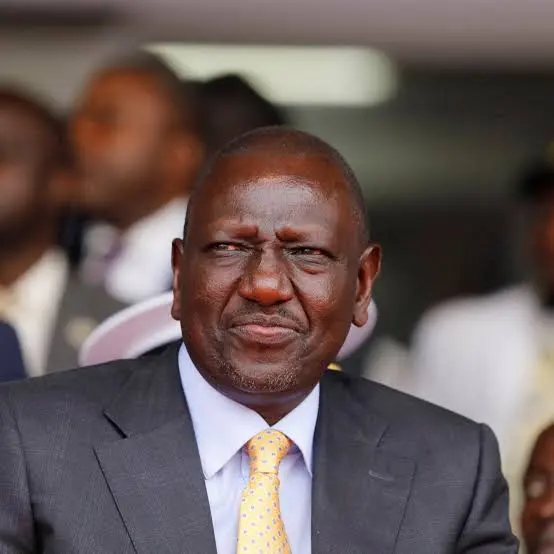
President William Ruto has officially signed the Supplementary Appropriations Bill No.1 of 2026 into law, marking a significant adjustment to Kenya’s 2025/26 financial plan.
The revised budget now stands at KSh 4.695 trillion, reflecting an increase of KSh 393.12 billion, or 9.1 percent higher than the original estimates.
The supplementary budget aims to address emerging priorities, including security operations, disaster response, infrastructure development, and personnel costs while maintaining momentum in key economic sectors.
The Supplementary Appropriations Bill (National Assembly Bill No. 16 of 2026) was spearheaded by the Budget and Appropriations Committee and passed by the National Assembly of Kenya on April 2, 2026.
Breakdown of Budget Increase
The revised budget reflects a balanced increase across recurrent and development expenditures.
Recurrent spending has risen by KSh 229.42 billion, primarily targeting salaries, operations, and essential government services.
Meanwhile, capital expenditure has increased by KSh 134.46 billion, signaling sustained investment in infrastructure and long-term development projects.
Additionally, KSh 41.3 billion has been approved to support emergency interventions, including security operations and relief programs in Arid and Semi-Arid Lands (ASALs).
Key Sectoral Allocations
The security sector emerges as the largest beneficiary, receiving KSh 60 billion in additional funding. Allocations include support for security operations, modernization of systems, and compensation for victims of demonstrations.
The Independent Electoral and Boundaries Commission (IEBC) has also been allocated KSh 2.9 billion to clear pending legal obligations, reinforcing institutional stability.
Education receives substantial funding to address salary shortfalls, student financing, and institutional support.
Key allocations include increased funding for the Teachers Service Commission for salaries and medical cover, expanded support for the Higher Education Loans Board (HELB), and resources to settle university salary arrears. Additional funding has also been directed toward technical training and university development projects.
The health sector has received increased funding to improve service delivery and address pending obligations.
Funds have been allocated to settle outstanding bills of the defunct NHIF, upgrade Level 4 hospitals, support doctor internship programs, and finance vaccine procurement. Additional resources have also been directed to Moi Teaching and Referral Hospital.
Infrastructure development remains a priority, with significant funding allocated to road projects and housing.
The Affordable Housing Programme receives KSh 25 billion, aimed at accelerating delivery under the BETA agenda.
Agriculture has been allocated over KSh 17 billion, with a strong focus on food security and farmer support.
The fertilizer subsidy program alone receives KSh 10 billion, raising its total funding to KSh 18 billion. Additional allocations support tea and sugar reforms, agricultural credit for MSMEs, and crop diversification initiatives.
To finance the expanded budget, the government is prioritizing non-tax revenue streams, including privatization and securitization.
About the Author