Life. Seasoned with perspective.
“Careless leadership and unchecked words can lead to real-world consequences. It challenges individuals to think critically, value peace, and take responsibility in shaping a better society.”
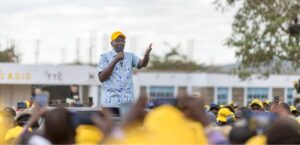
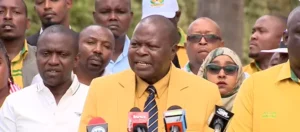
This past week, Kenya found itself wrapped in political embarrassment. Leaders forgot their responsibility and chose noise over sense. The result was ugly. My stomach churned.
Last week, I wrote about Kilgoris and how ethnicity can tear communities apart. Today, I take you to Molo, a place that still lives in my memory as a reminder of how quickly things can fall apart.
Let me give you some context.
I have been a communicator for over twenty years. Thirteen of those were spent in newsrooms, telling stories and managing content in high-pressure environments. It was intense. It was enlightening. It was also heavy. As gatekeepers of information, we often consume things we would rather not see, things the audience never gets exposed to. If you are not careful, it eats at you.
By 2018, I stepped away from the newsroom. Not because I stopped loving storytelling, but because I chose sanity. My quality of life improved. I now choose what to consume.
But some images never leave you.
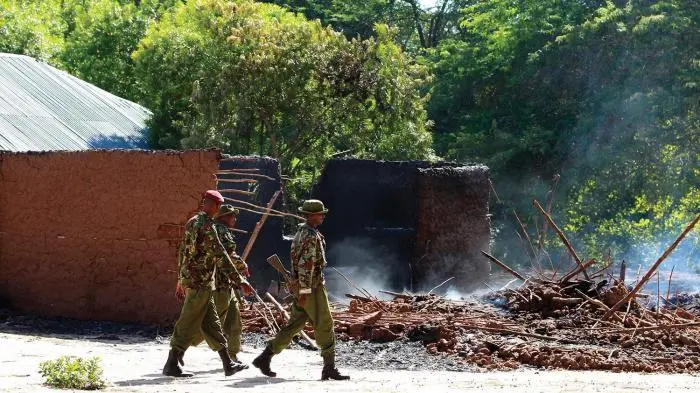
In 2007, I watched as politicians incited violence that turned neighbour against neighbour. Words were weaponised. The media became a battleground. Campaign messages grew sharper, louder, more divisive. What began as rhetoric quickly spilt into the streets.
Then came the election.
Then came the silence.
Then came the violence.
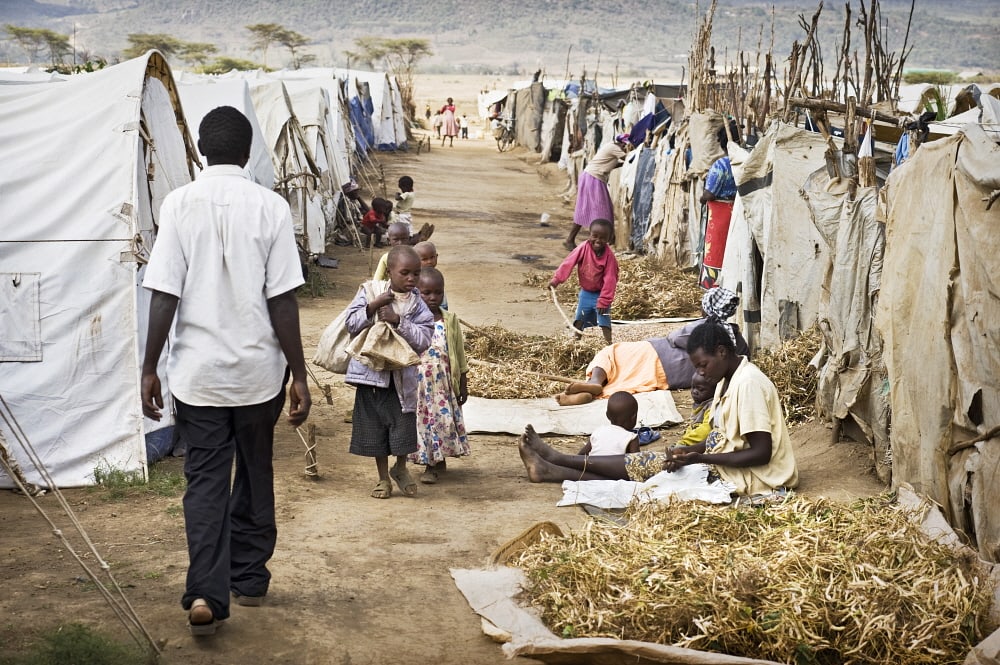
Between January 23 and 30, 2008, Molo became a refuge. Thousands fled from nearby areas like Kuresoi and Eldoret to Molo. They were escaping retaliatory attacks. They were running for their lives.
Over 12,000 people crowded into police stations, prison compounds, and administrative grounds. They came with whatever they could carry. Some had nothing at all.
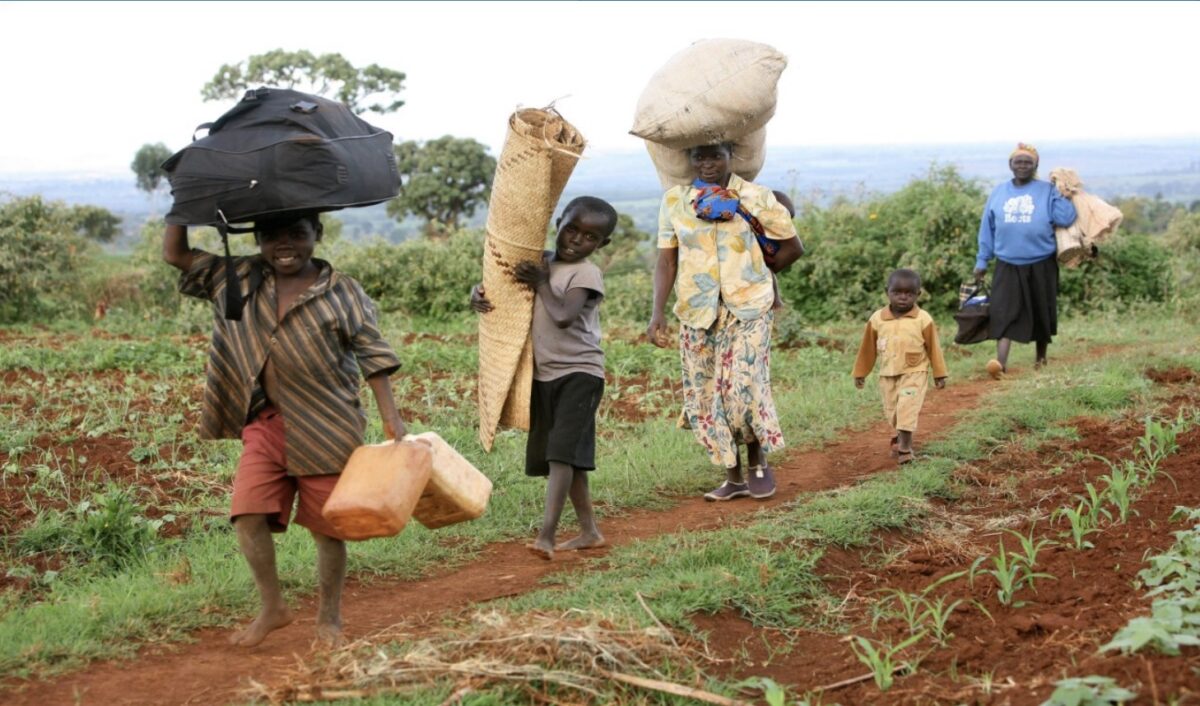
And I was there.
We drove into Molo in a convoy under police escort. Even journalists were not safe. The town felt broken. You could see it in the faces of the people.
Mothers carried children on their backs, weak and exhausted. Fathers dragged whatever they could salvage. A chair, a mattress, a cooking pot. Lives reduced to fragments.
Children cried endlessly. Women wailed. Men tried to stay strong, but many broke down. There is a kind of pain that strips a man of everything, especially when he cannot protect his family.
I remember standing there, cameras rolling, but my heart sinking. I could not hold it in. I shed a tear.
Then we went to the District Commissioner’s office.
That is where the wounded were being brought.
What I saw there stays with me to this day.
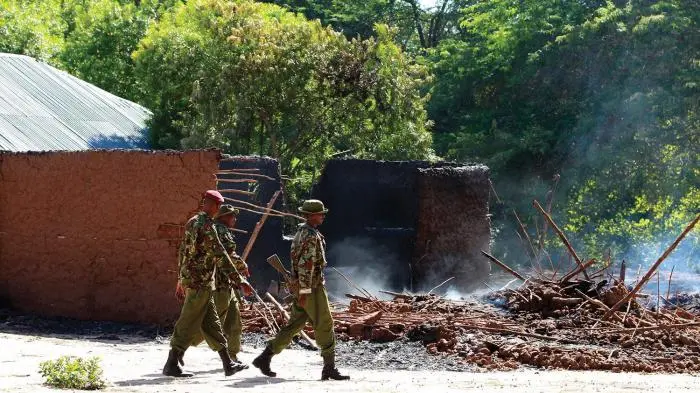
Arrow wounds. Deep cuts. Broken bodies. Human beings reduced to suffering. It was not just physical pain. It was fear. It was loss. It was confusion.
We covered that story from that compound for two straight days.
And here is the hard truth:
None of this started with weapons.
It started with words.
Careless words. Reckless speeches. Leaders chasing power at any cost. People listening. Emotions rising. Lines being drawn. And before anyone could stop it, the country was burning.
Fast forward to today, and I see the same patterns trying to creep back. Different platforms, same script. Only now it is amplified through social media faster, louder, harder to control.
That is why I say this without hesitation:
Peace is everything.
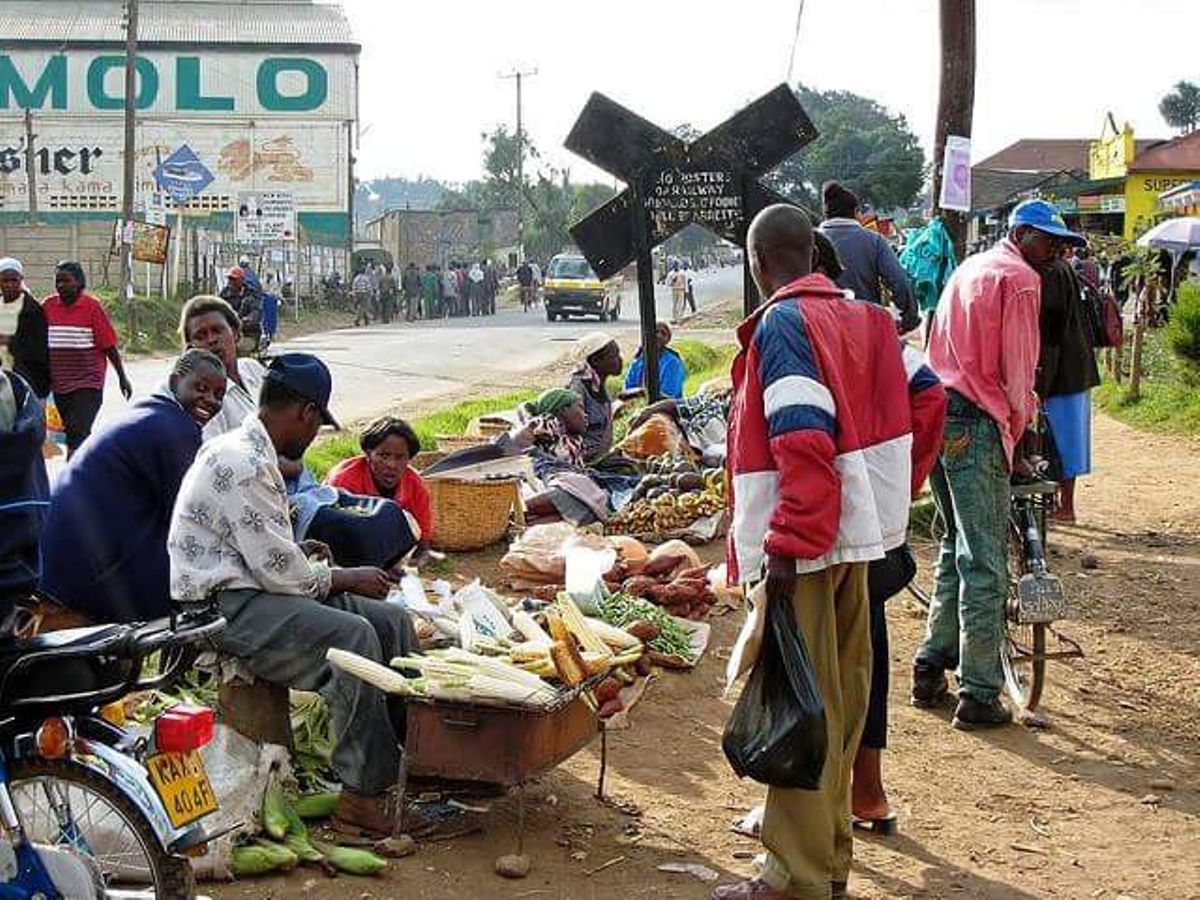
It is not a slogan. It is not a campaign message. It is the thin line between normal life and chaos.
We cannot afford to joke with it.
And here is where it gets personal, especially for young people:
Do not be spectators.
Do not be tools.
Do not be mobilized by anger you did not create.
Think. Question. Choose wisely.
Because when things go wrong, it is not the politicians who suffer first. It is ordinary people, families, children, and communities.
People like you.
People like me.
As I look back at Molo, I am reminded that nations do not collapse overnight. They are slowly pushed there, one careless word at a time, one unchecked action at a time.
But the opposite is also true.
We can build.
We can choose better.
We can refuse to be divided.
And maybe, just maybe, we can ensure that what happened in places like Molo never becomes our reality again.
Because some mistakes should never be repeated.
About the author:
Kibisu Mulanda is a media executive and strategic communicator with over 20 years of experience in television, NGO storytelling, and youth-focused content. He is the Acting Head of Switch Media Ltd and teaches media at the Kenya Institute of Mass Communication (KIMC). A Certified SIYB Trainer, he blends storytelling with strategy to drive social impact.
About the Author