The familiar glow of social media screens went dark across Gabon this week. Without warning, the government ordered platforms suspended indefinitely, blaming online content for deepening tensions in a country already on edge.
The decision, announced Tuesday by Gabon’s High Authority for Communication, marked one of the most sweeping digital crackdowns in the country in recent years. Officials said the move was necessary to preserve order and protect national institutions.
Jean-Claude Mendome, a spokesman for the regulator, delivered the message in a televised address. He said the suspension was immediate and open-ended.
“Inappropriate, defamatory, hateful and insulting content” circulating online, he said, had begun to undermine “human dignity, social cohesion and the stability of the Republic’s institutions.”
He warned that unchecked digital activity risked fuelling division and weakening public trust. The regulator also pointed to cyberbullying, misinformation and the unauthorised sharing of personal data as growing concerns.
Yet the announcement left key questions unanswered. Officials did not specify which platforms were affected, nor how long the restrictions would remain in place.
The government sought to reassure citizens that the decision was not intended to silence dissent entirely. Mendome emphasised that freedom of expression remained protected under Gabonese law. “Freedom of expression, including freedom of comment and criticism, remains a fundamental right,” he said.
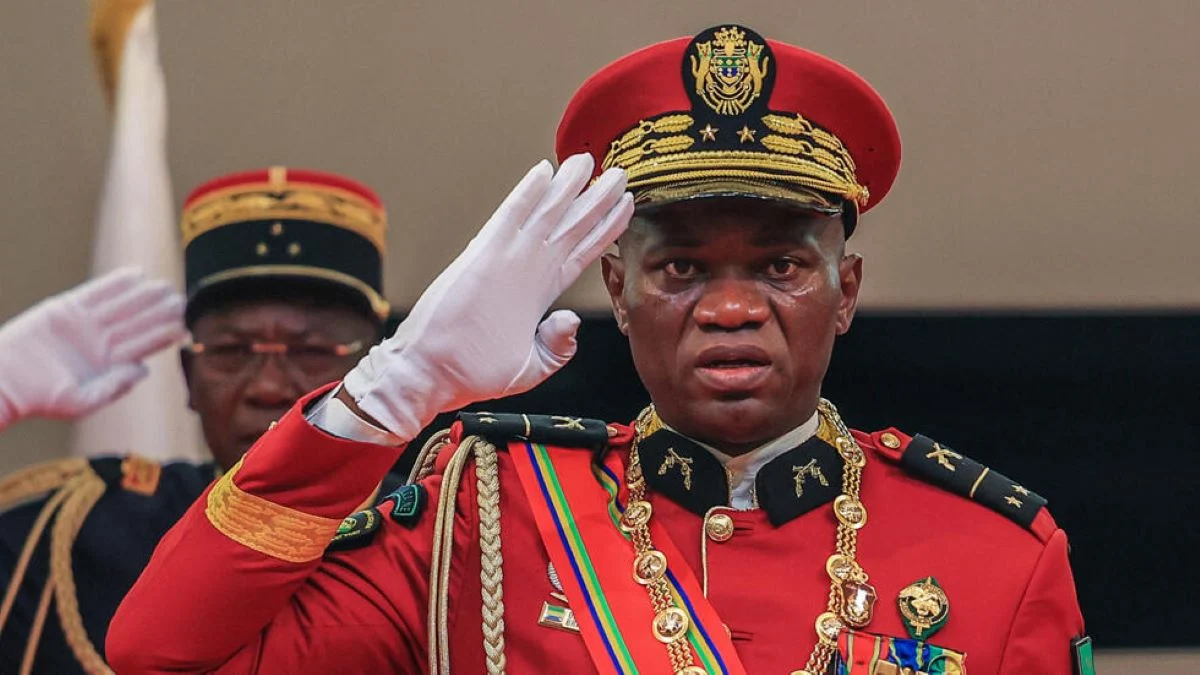
President Brice Oligui Nguema, who came to power less than a year ago, now faces mounting pressure at home. Teachers have been on strike since December, demanding better pay and working conditions. Their protests have begun to spread. Workers in health care, higher education and broadcasting have also raised similar concerns.
In moments of unrest, social media often becomes a space for organization and protest. But it can also amplify anger, rumours and political tension.
Governments across Africa have increasingly turned to internet restrictions during periods of instability. Supporters argue such measures help prevent violence and restore calm. Critics, however, warn they can limit transparency and weaken democratic accountability.
For ordinary Gabonese citizens, the immediate impact is practical and personal. Businesses that rely on social platforms to reach customers now face disruption. Families accustomed to staying connected online must adjust to silence.
About the Author