
Life. Seasoned with perspective.
“Hugging a tree as symbolic activism raises questions about its real impact on the deeper everyday struggles facing young people, and highlights how attention, inequality, and responsibility intersect in the push for meaningful change.”
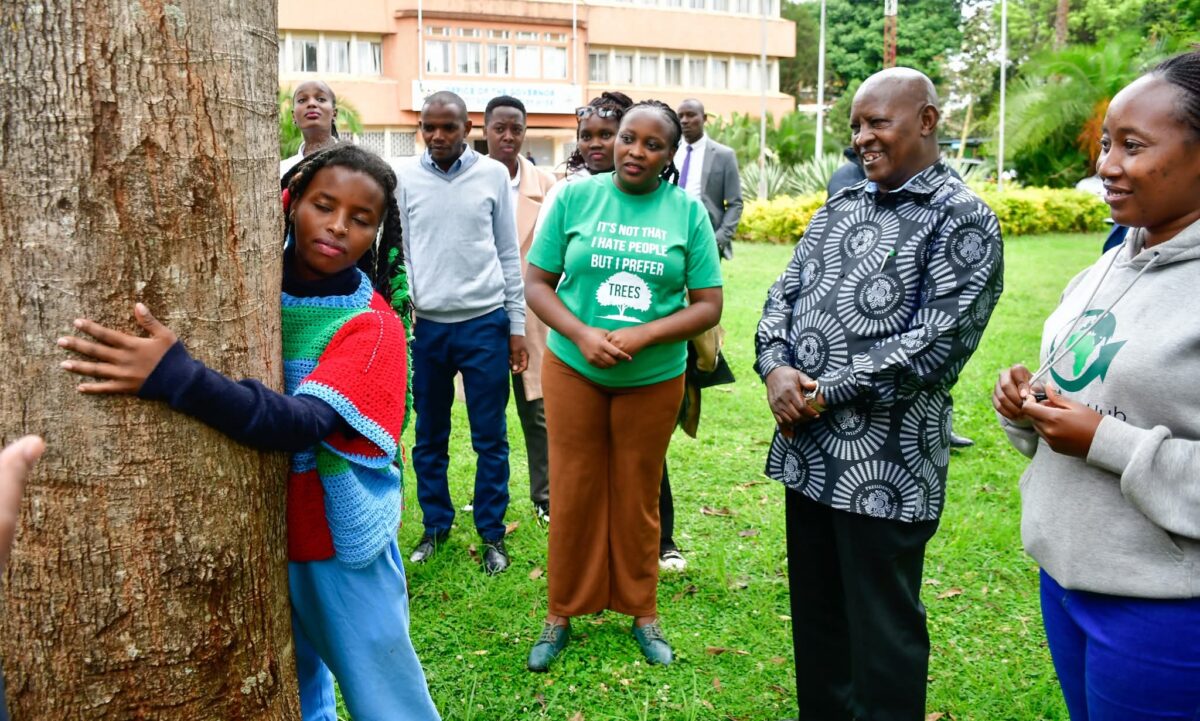
In December 2025, a young Kenyan woman, Truphena Muthoni, hugged a tree continuously for seventy-two hours. No food. No sleep. No bathroom breaks. She endured rain and harsh weather, her body exposed and her resolve tested. Her protest was aimed at drawing attention to deforestation, climate change, and disability awareness. If ratified, the feat could earn her another Guinness World Record, surpassing her previous forty-eight-hour attempt.
Let us pause there for a moment.
This past weekend, while running errands in Naivasha, I stumbled upon a curious crowd. God forgive journalists; curiosity is both our strength and our weakness. I edged closer and there it was again. A man hugging a tree. This time, it was a one hundred and twenty-hour attempt aimed at highlighting dental conditions that silently disqualify many young people from serving in the Kenya Defence Forces. It was a noble cause, one that deserved attention.
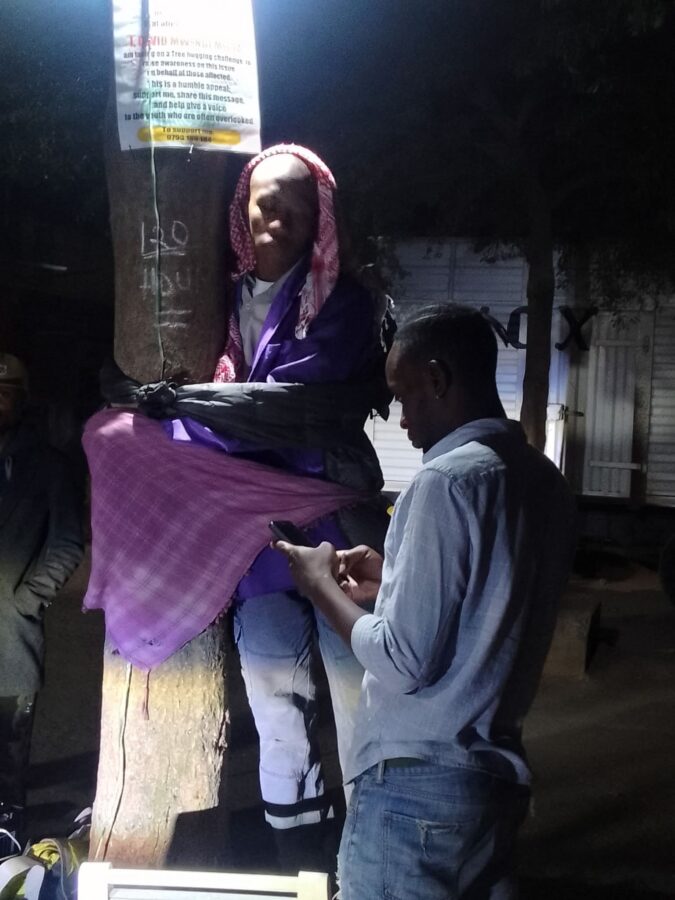
I stood there longer than I expected to, thinking. Ironically, my next errand after that scene was to buy fresh drinking water for home use.
Let us also pause there.
Since Truphena brought tree hugging into the national spotlight, there have been more than ten documented high-profile attempts across the country. Each one tied to a serious issue. Cancer awareness. Corruption. Gender-based violence. Drought. Peace. Journalism challenges. Banditry. The list keeps growing. The causes are important, urgent even. But one cannot help asking, where did creativity go?
This is not to belittle the efforts. On the contrary, these individuals are drawing attention to matters many of us comfortably ignore. Pastor James Irungu from Murang’a attempted eighty hours for cancer awareness and collapsed just twenty minutes shy of completion. Stephen Gachanja, only fourteen years old, completed fifty hours to raise funds for his brother’s surgery. Paul Kago from Nanyuki completed ninety-six hours to advocate for peace ahead of the 2027 elections. These are powerful stories. But when everyone hugs a tree, the act slowly shifts from protest to performance.
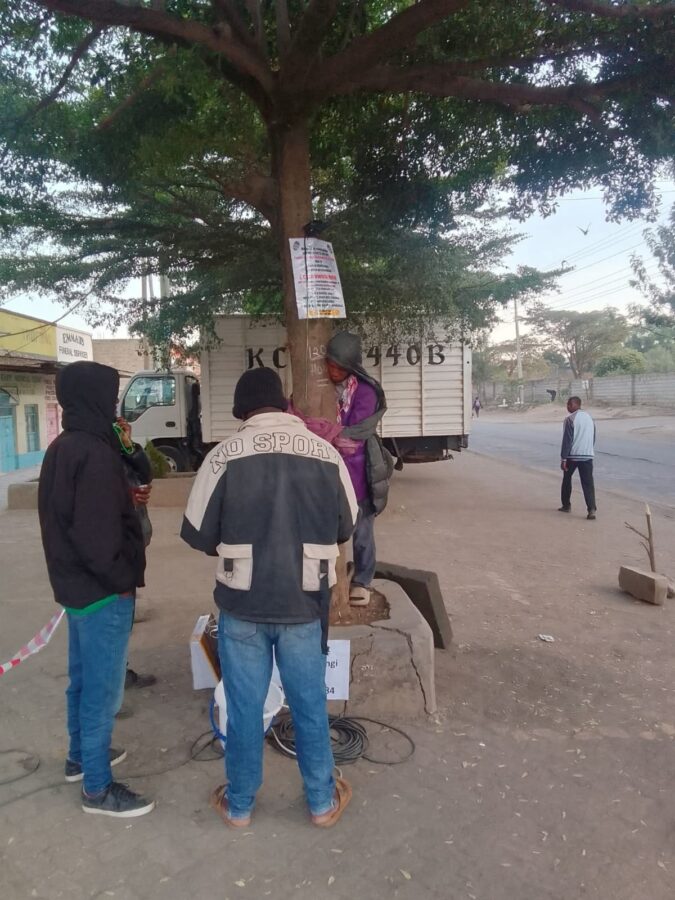
Now back to Naivasha.
Recruitment into the Kenya Defence Forces is governed by strict medical standards, including dental health. On paper, that makes sense. In reality, it creates an invisible barrier for many young people raised in regions with high fluoride levels in water. Naivasha, located in the Rift Valley, sits in an area where groundwater naturally contains high fluoride concentrations. Long-term consumption of this water during childhood causes dental fluorosis. The result is permanent tooth discoloration, weakened enamel, and visible staining that cannot be reversed.
Spend a day in Naivasha and you will notice something else. Fresh water shops dot almost every corner. Clean water here is not a luxury. It is a necessity. A twenty-litre jerrycan costs between sixty and seventy shillings. For many families, that is not pocket change. This is not a short-term expense either. It is lifelong. When forced to choose between a proper meal and clean water, survival instincts take over. No child chooses where they are born. Yet years later, that accident of geography becomes the very reason they are told they are unfit to serve their country.
This issue goes beyond Naivasha.
On November 18, 2025, during a police recruitment exercise in Baringo Central, a twenty-seven-year-old man named Idris Kiprop lost his temper after being disqualified for failing to meet the minimum height requirement. This was not his first attempt. It was his eighth. Eight times he had shown up, hopeful. Eight times he had been turned away for the same reason. Height is not something effort can fix.
These stories reveal a deeper tension between policy and lived reality. I will not argue for lowering standards. I do not have the technical expertise to say what compromises can or cannot be made in security recruitment. What I do know is that these challenges are structural, not personal failures. They require solutions far beyond individual endurance stunts.
Which brings me back to the man hugging a tree in Naivasha.
I applaud him. Not because he chose a popular form of protest, but because he chose to speak up at all. He represents thousands of young people quietly locked out of opportunities through circumstances beyond their control. He is also a voter. And that matters. Because awareness should not end at spectacle. It should translate into policy conversations, representation, and accountability.
At some point, activism must graduate from endurance to engagement. From viral moments to sustained pressure on those elected to solve these problems. Hugging a tree can draw attention, but fixing the root issues requires voices in rooms where decisions are made.
If anything, these stories remind young people that speaking up matters, but how and where you speak matters just as much. The goal is not to trend. The goal is to change something.
About the author
Kibisu Mulanda is a media executive and strategic communicator with over 20 years of experience in television, NGO storytelling, and youth-focused content. He is the Acting Head of Switch Media Ltd and teaches media at the Kenya Institute of Mass Communication (KIMC). A certified SIYB trainer, he blends storytelling with strategy to drive social impact.
About the Author