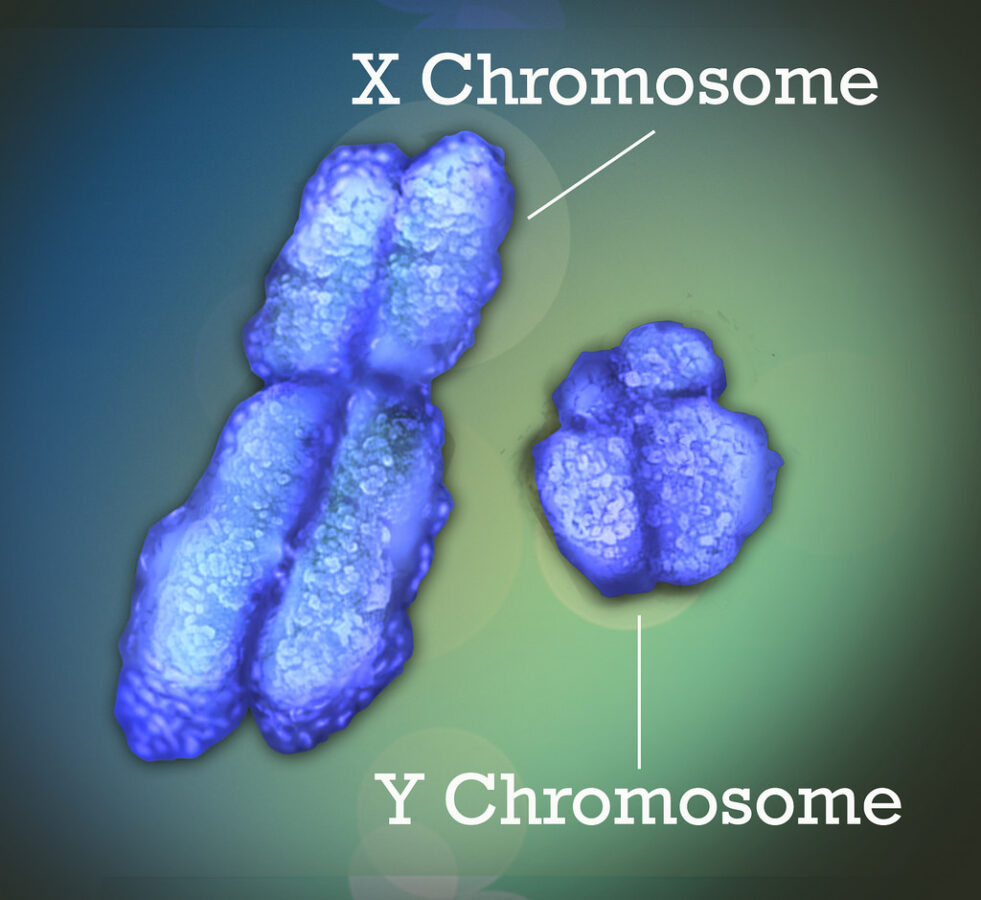
For years, the human Y chromosome has carried an air of quiet drama. It is small. It has lost genes. And some have claimed it is slowly disappearing. The truth, scientists say, is more measured and far less alarming.
The Y chromosome, which plays a central role in determining male sex in humans, has indeed changed over time. But most geneticists now agree it is not on the brink of extinction.
A chromosome that stands alone
Unlike most chromosomes, the Y does not have an equal partner. During reproduction, chromosomes typically exchange genetic material in a process known as recombination. This acts as a repair system, correcting errors and weeding out harmful mutations.
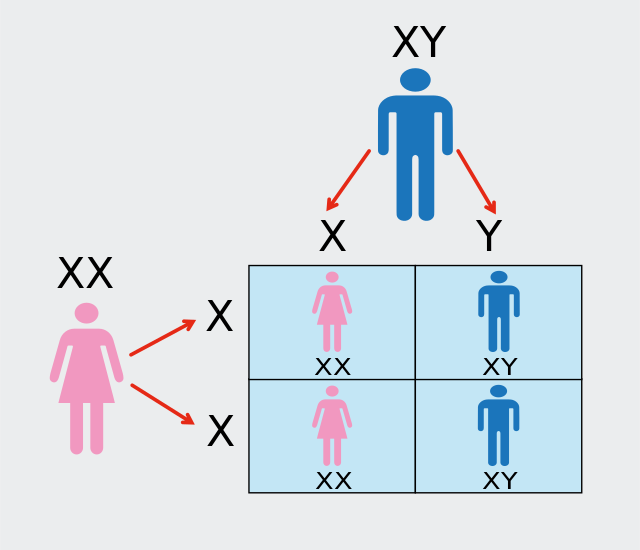
The Y chromosome largely misses out on this exchange. Its partner, the X chromosome, is much bigger and genetically different. As a result, damage on the Y is harder to fix.
How genes were lost — slowly
Early in human evolution, the Y chromosome was far larger and carried many more genes. Over millions of years, many of these genes were lost. Some became unnecessary. Others were damaged beyond repair.
Today, the Y chromosome holds only a fraction of the genes found on the X. This shrinking has fuelled speculation that it could one day disappear altogether.
But the pace of that loss has slowed dramatically.
A numbers problem
The Y chromosome is passed strictly from father to son. That means it exists in fewer copies than other chromosomes, which are inherited by everyone.
This smaller population weakens natural selection’s ability to eliminate harmful mutations. Over time, that has contributed to the Y’s gradual decline.
Still, scientists caution against reading too much into this trend.
A single, vital job
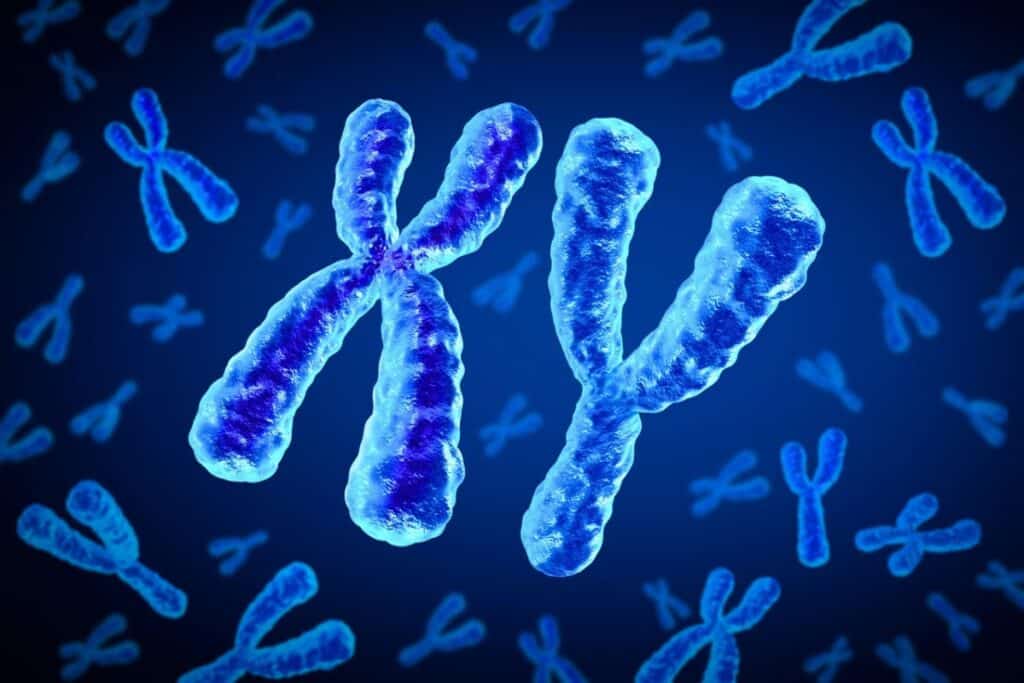
The Y chromosome’s most famous gene is SRY, which triggers male development in embryos. Once that switch is flipped, many other biological tasks are taken over by genes elsewhere in the genome.
This narrow role has allowed the Y to shed genes without causing immediate harm. But the genes it has kept matter deeply especially those linked to sperm production and fertility.
“These genes are essential,” researchers say. “They are strongly protected by evolution.”
So, is it fading away?
Yes, in the very long view of evolution, the Y chromosome has grown smaller. But no, it is not disappearing from humans any time soon.
Recent studies suggest the Y has reached a point of stability. The genes that remain are doing important work, and natural selection is keeping them intact.
In short, the Y chromosome is not vanishing. It is simply specialized and for now holding its ground.
About the Author