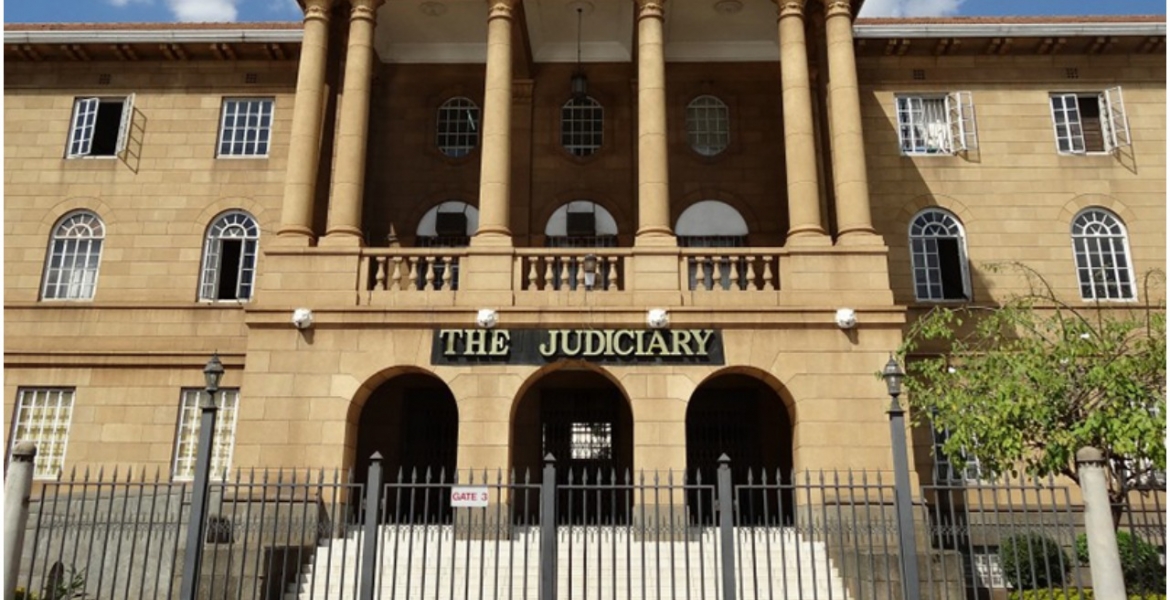
On Tuesday, the Judicial Service Commission (JSC) formally declared a vacancy in the Office of Judge of the Supreme Court, inviting senior legal minds to apply for one of the most influential positions in the country’s justice system.
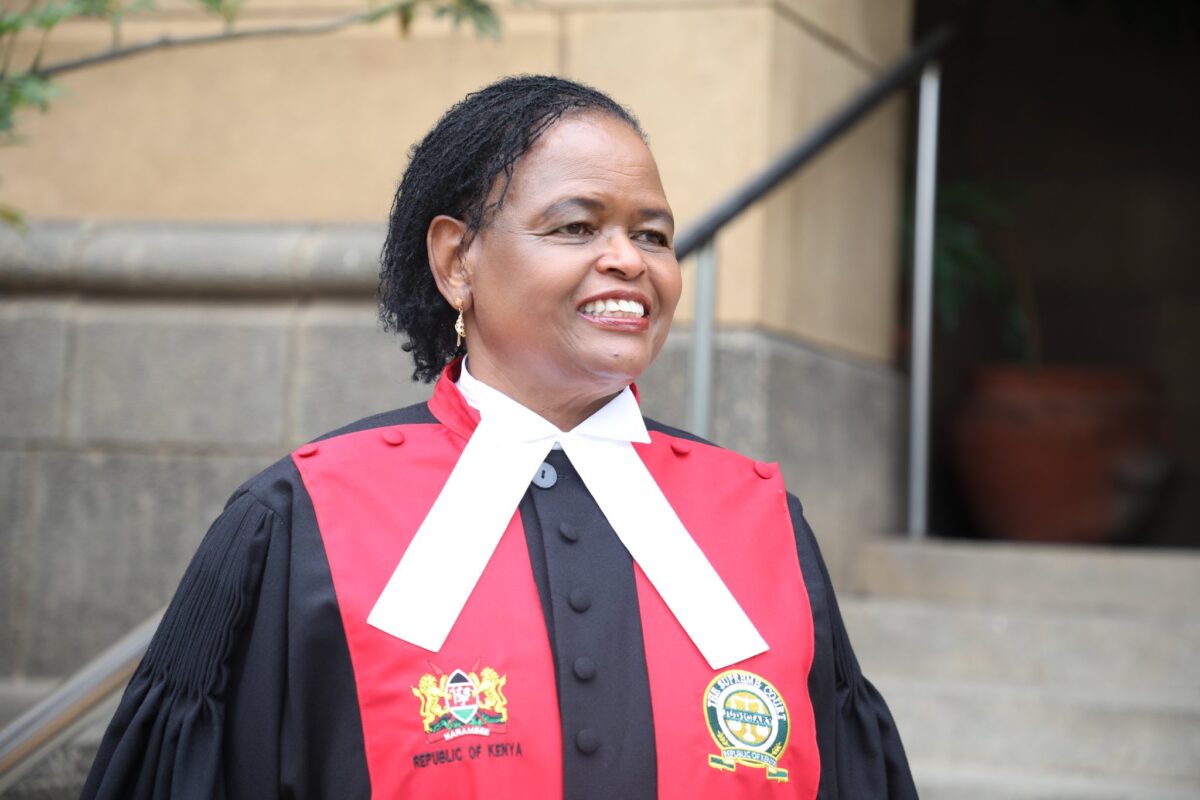
The announcement, published in a special issue of the Kenya Gazette dated January 13, was signed by Chief Justice Martha Koome, who also chairs the commission. The opening follows the death of Justice Ibrahim Mohamed on December 17, 2025, which left the seven-member bench short by one.
In a brief but detailed notice, the JSC set out the legal framework guiding the appointment. The process, Koome said, will follow Article 166 of the Constitution and provisions of the Judicial Service Act.
“The appointment shall be made in accordance with the Constitution and the Judicial Service Act,” she said, underscoring the formal and competitive nature of the recruitment.
Whoever is appointed will serve until the mandatory retirement age of 70, though the Constitution allows judges to retire voluntarily at 65. It is a long-term role, with decisions that can shape the country’s politics, elections and constitutional order for decades.
The pay reflects that responsibility. According to the notice, remuneration will be set by the Salaries and Remuneration Commission, with a gross monthly package ranging from Sh956,192 to Sh1,268,996, inclusive of benefits.
Beyond salary, the job comes with immense authority. The Supreme Court has exclusive power to hear and determine disputes arising from presidential elections, a role that has placed it at the centre of Kenya’s most tense political moments. It also hears appeals from the Court of Appeal and other tribunals, and issues advisory opinions when requested by national or county governments.
In times of national emergency, the court may also be called upon to interpret the law under intense public scrutiny.
The bar for entry is deliberately high. Applicants must hold a law degree from a recognised university and be advocates of the High Court of Kenya, or hold an equivalent qualification from another common-law jurisdiction.
Experience is equally demanding. Candidates must show at least 15 years’ service as a judge of a superior court, or 15 years as a distinguished legal practitioner. A combination of judicial service and legal practice is allowed, as long as the total experience meets the 15-year threshold.
Character, too, will be closely examined. The JSC requires applicants to meet the integrity standards set out in Chapter Six of the Constitution, covering honesty, impartiality and commitment to public service. Professional competence, sound judgment, clear communication and a broad understanding of society are also listed as key qualities.
The commission says the process will be open and competitive, with full application details available on its official portal. That transparency is meant to reinforce public confidence in a court whose rulings often carry national consequences.
The vacancy comes at a moment when the Supreme Court’s role remains under close watch, from election disputes to constitutional interpretation. Filling the seat is not just an administrative step, but a statement about the direction of Kenya’s judiciary.
About the Author