When the American streamer IShowSpeed travelled to Kenya’s Maasai land, he expected culture, colour and content. What he did not expect was a lesson in sanitation that would ripple far beyond his livestream.
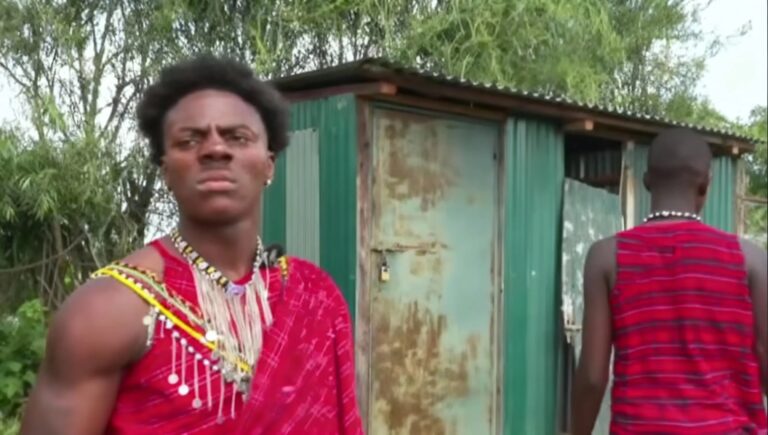
The moment came quietly, almost inevitably. After taking part in a traditional Maasai experience that included drinking fresh cow blood, Speed needed a bathroom. What he found was a pit latrine. No flush. No tiles. No running water. Just a hole in the ground, the kind used daily by millions across rural Kenya.
A short clip of his reaction has since travelled fast online. In it, Speed pauses at the doorway. He laughs, hesitates and fires off questions no travel guide ever prepares visitors for. It is awkward. It is funny. And it is deeply human.
For many viewers, the humour was immediate. A global internet star, usually loud and unflappable, momentarily lost for words. But the clip lingered for another reason. Speed did not play it up for the camera. He did not cut away. He reacted plainly, discomfort and all.
That honesty struck a chord.
“This is normal life for us,” wrote one Kenyan user on X. “At least he didn’t make fun of it.”
Others saw something more troubling. The contrast between Speed’s surprise and the everyday reality of rural communities exposed, once again, the gap between how Africa is often imagined and how many people actually live.
Pit latrines remain common across large parts of Kenya, especially in pastoral and remote areas where piped water and sewer systems are costly and hard to build. According to the World Health Organization and UNICEF, millions across sub-Saharan Africa still rely on basic sanitation facilities, despite steady progress in urban centres.
Speed’s brief stop was less a joke than a mirror.
Online reactions quickly split. Some praised the moment as refreshingly real in a digital world full of polished travel clips and choreographed “authenticity”. Others worried that, without context, such scenes risk reinforcing old stereotypes of poverty.
The clip started a conversation.
Speed did not lecture. He did not frame the moment as hardship or spectacle. He simply experienced it. In doing so, he showed something influencer tourism often edits out — the ordinary, unfiltered details of daily life.
In a media landscape where Africa is either romanticized or reduced to extremes, a few seconds of awkward silence did more than many glossy campaigns manage. It reminded viewers that reality does not come with filters.
What began as a bathroom break became a cultural reality check. Not because it was shocking, but because it was real.
About the Author