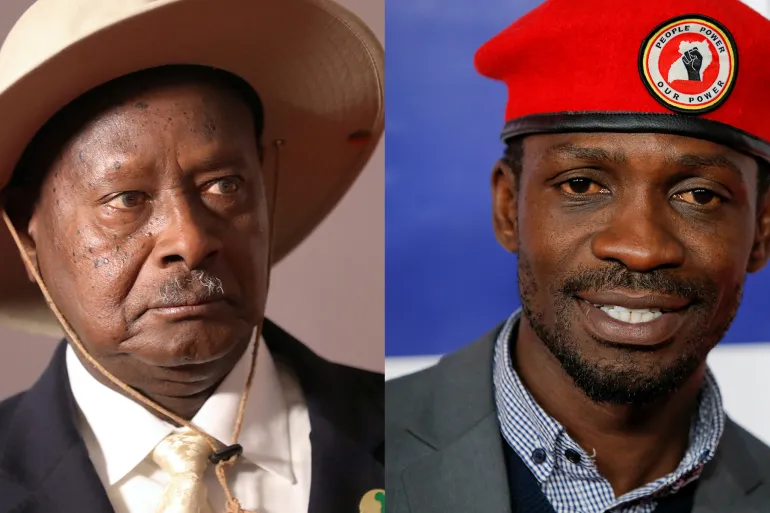
As Uganda heads to the polls next week, voters face a stark choice: stick with a leader who has dominated the country for four decades or embrace a youthful challenger promising change.
President Yoweri Museveni, 81, in power since 1986, is seeking a seventh term. His main rival, Bobi Wine, the 43-year-old pop star-turned-politician, has pledged sweeping reforms and a new approach to governance.
The campaign has been tense. Opposition rallies have been broken up by police, and activists detained, while Museveni’s events proceed largely uninterrupted. “We are determined to vote and protect our ballots,” Bobi Wine told supporters, urging vigilance at polling stations.
Economic issues loom large. In a country where most people are under 30 and youth unemployment is high, many voters are concerned about job opportunities, access to education, and infrastructure. Uganda has avoided the worst of the region’s cost-of-living crises, but corruption remains entrenched. Transparency International ranks the country 140th out of 180 for perceived corruption.
The Candidates
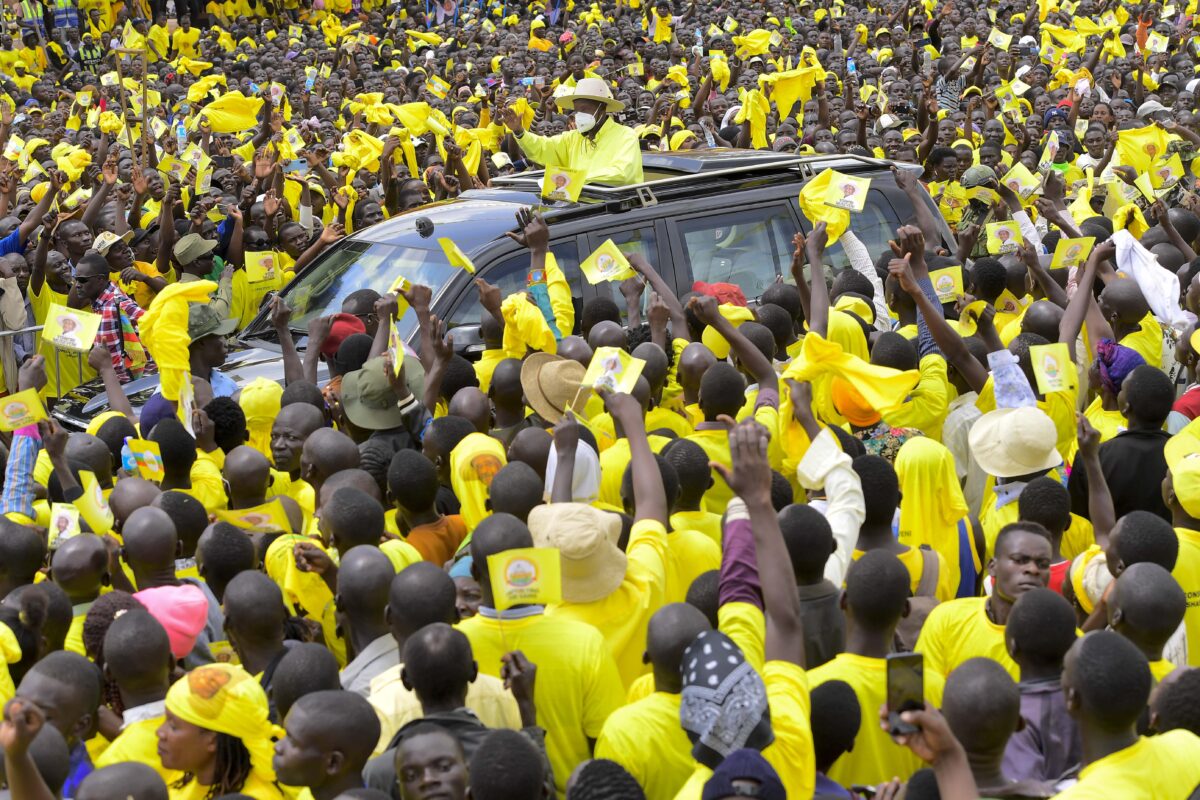
Museveni first seized power as a guerrilla leader, promising democracy after years of dictatorship and civil war. Over time, critics say his rule has become increasingly authoritarian. Two constitutional amendments have removed age and term limits, allowing him to run repeatedly. He frames himself as the guarantor of stability in Uganda.
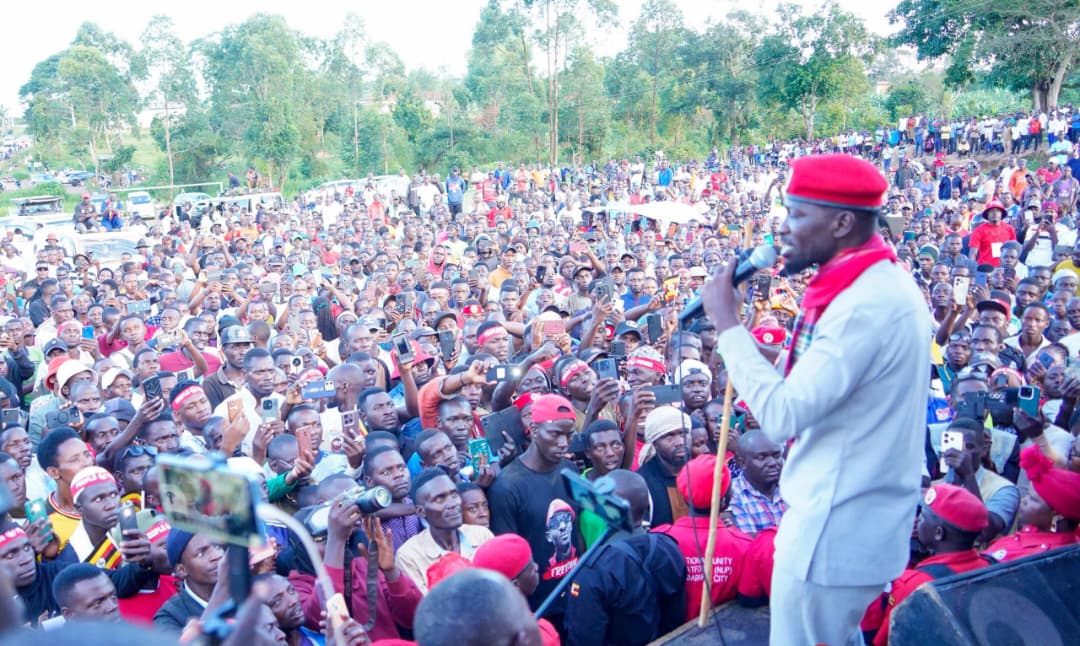
Bobi Wine, whose real name is Robert Kyagulanyi, has cultivated a strong base among young urban voters. Known as the “ghetto president,” he finished second to Museveni in 2021, capturing 35% of the vote amid allegations of voter intimidation and election rigging. His National Unity Platform is now the largest opposition force in parliament.
The other six presidential hopefuls: Frank Bulira, Robert Kasibante, Joseph Mabirizi, Nandala Mafabi, Mugisha Muntu, and Mubarak Munyagwa, are seen as less influential. Notably, veteran opposition figure Kizza Besigye remains imprisoned on treason charges and cannot run.
The Vote
Polling takes place on Thursday, 15 January, from 07:00 to 16:00 local time. Uganda’s 21.6 million registered voters will cast ballots in three elections: Presidential, Parliamentary constituency representatives, and one woman representative per district.
Votes are counted at polling stations immediately after polls close, with results transmitted to a central tallying centre. A candidate must secure more than 50% to win outright; otherwise, a run-off between the top two is held within 30 days. Historically, Museveni has cleared this threshold in the first round.
Despite official assurances of a free and fair vote, observers remain cautious. UN experts warn of “a pervasive climate of fear,” while Amnesty International has documented the use of tear gas, beatings, and harassment targeting opposition supporters. Museveni’s government insists such measures are to prevent violence and ensure a peaceful election.
There are also concerns over potential internet shutdowns during voting, a tactic used in past elections. The NUP has developed a monitoring app using Bluetooth to track results even if networks are cut.
Results of the presidential election are expected by Saturday, 17 January. The stakes are high. For many, this vote is not just about leadership but about the future direction of Uganda itself.
About the Author