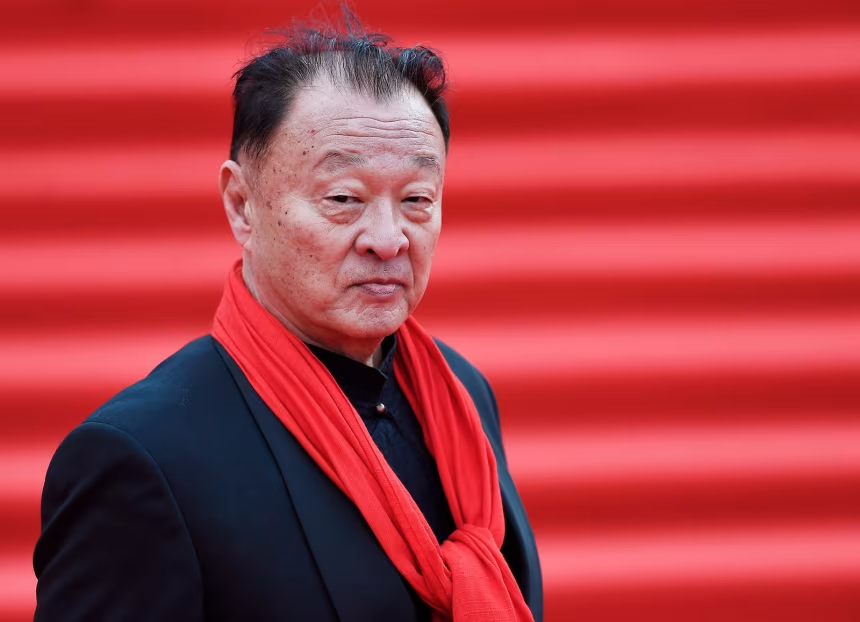
Tokyo-born actor Cary-Hiroyuki Tagawa, whose piercing stare and velvet menace made him unforgettable on screen, has died in Santa Barbara, California. He was 75. His death, caused by complications from a stroke, was confirmed by his manager, who said he passed away surrounded by family.
“Cary was a rare soul: generous, thoughtful, and endlessly committed to his craft,” his manager, Margie Weiner, said. “His loss is immeasurable. My heart is with his family, friends, and all who loved him.”
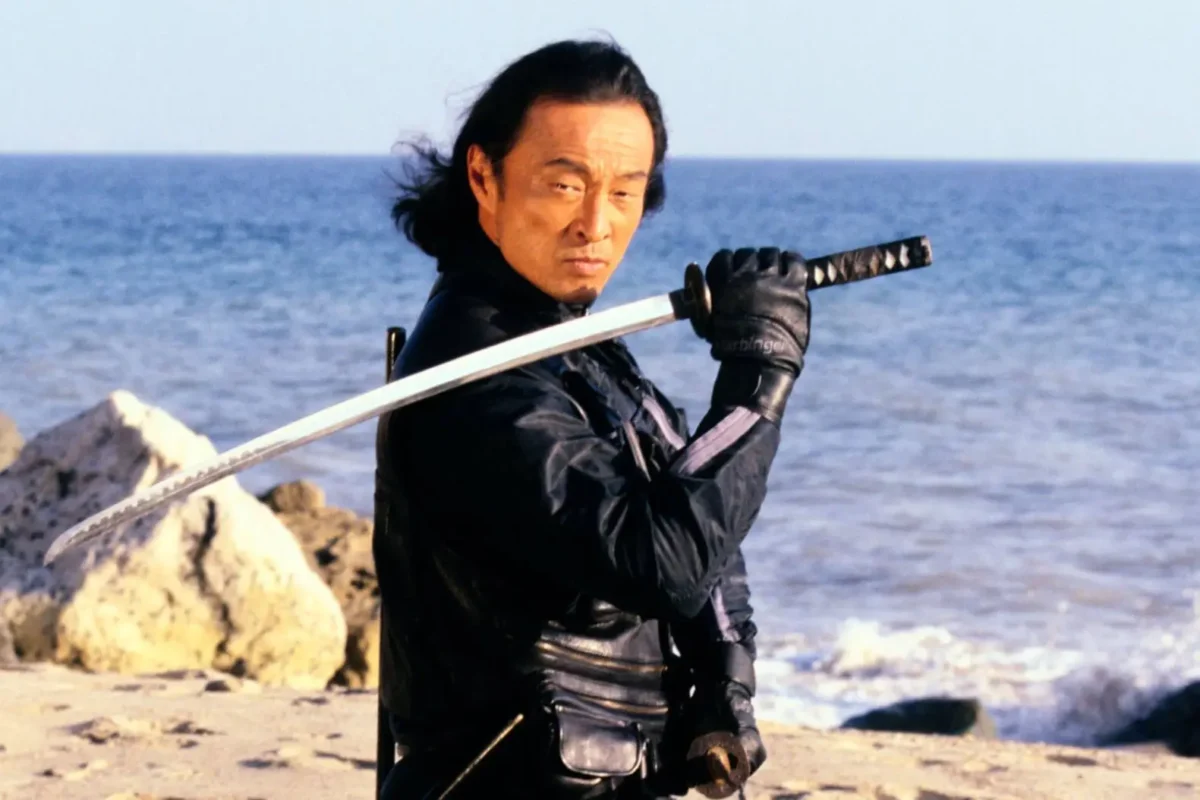
For many, he will always be Shang Tsung, the soul-stealing sorcerer in Mortal Kombat. The line – “Your soul is mine” — was delivered with such quiet menace that it became part of pop-culture history. Yet that single role only touched the surface of a career that stretched for decades across film, television and voice acting.
Tagawa’s path to acting was not a straight line. Born in Tokyo to a Japanese mother, Ayako, a trained stage actress, and a father in the US Army, his childhood was shaped by movement. The family followed military postings across the American South, then later spent time in Hawaii, including on Kauai and in Honolulu. He once said his parents named him after Cary Grant, and his brother after Gregory Peck — a small gesture that hinted at an early connection to classic cinema.
Even so, his mother tried to steer him away from acting. She believed there were too few meaningful roles for Asian performers. The industry, she feared, had no room for faces like his. For a long time, she seemed to be right.
Before he stood before a camera, Tagawa lived many lives. He worked as a celery farmer. He drove limousines. He ran pizza supply trucks. He picked up a camera and worked as a photojournalist. Acting did not begin until he was 36 — an age when many performers are already years into their careers.
That first major break came in 1987 with The Last Emperor, directed by Bernardo Bertolucci. The film went on to win multiple Oscars and opened doors for him in Hollywood. From there, his career began to take shape. He landed roles in License to Kill, Pearl Harbor, Planet of the Apes and Memoirs of a Geisha. His screen presence was unmistakable — precise, controlled, magnetic.
Still, it was in Mortal Kombat (1995) that he achieved cult status. His portrayal of Shang Tsung was not just a villain’s turn. It was theatrical, restrained, and oddly elegant. Years later, he reprised the role in Mortal Kombat: Legacy and returned again — this time as both voice and physical model — in the video game Mortal Kombat 11. Generations of fans discovered him through those performances.
Another defining chapter came with television’s The Man in the High Castle, where he played Trade Minister Nobusuke Tagomi. The role revealed a quieter, more human depth. He was no longer just the villain. He was a man wrestling with power, faith, and morality — and viewers saw a new layer of his ability.
Tagawa once spoke candidly about the limits placed on Asian actors in Hollywood. “The good news for Asian actors and Hollywood is that it’s better than it’s ever been,” he said in an interview. “But the bad news is that it hasn’t changed that much. The opportunities haven’t increased that much, but commercially there’s more exposure.”
He trained in various martial arts but eventually turned away from competition. He was not driven by fighting. Instead, he developed his own training and healing system known as Ninjah Sportz, using movement and discipline to help others. He worked with professional athletes, including boxing champion Brian Viloria, and even advised university football players in Hawaii. For him, martial arts became less about combat and more about balance.
His life, however, was not without controversy. In 2008, he pleaded guilty in Honolulu to a petty-misdemeanour charge of harassment involving a girlfriend. Police reported bruising on her legs. His lawyer at the time stated that Tagawa accepted responsibility from the beginning and made no attempt to defend the behaviour. It was a stain on his record — and a reminder that behind fame and art, human flaws remain.
Yet those who knew him personally often spoke of warmth, discipline and reflection. He was known to show young actors how to navigate the industry with patience and resilience. To him, success was not only about fame, but about staying true to the work.
In his later years, he maintained a quieter life in California. He stayed connected to fans through conventions, interviews and occasional projects. Many who grew up watching him — or fighting him in video games — saw him not only as an actor but as a symbol of an era.
Now, fans, colleagues and filmmakers across the world are paying tribute. Messages speak of respect, inspiration and gratitude. To some, he was their first introduction to an Asian face in a powerful Hollywood role. To others, he was simply unforgettable.
Cary-Hiroyuki Tagawa leaves behind a body of work filled with strength, tension, contradictions and character. He also leaves behind a question that still echoes through the industry: how many more stories like his are waiting to be told — and how many faces are still waiting to be seen?
For a man whose most famous line was about taking souls, it is perhaps fitting that, in the end, he gave audiences something lasting — presence, memory, and a place in cinema that cannot be erased.
About the Author