Social Health Authority (SHA) has collected more than Ksh70 billion since it was set up, but officials say the fund has also had to reject claims worth over Ksh10 billion on grounds of fraud.
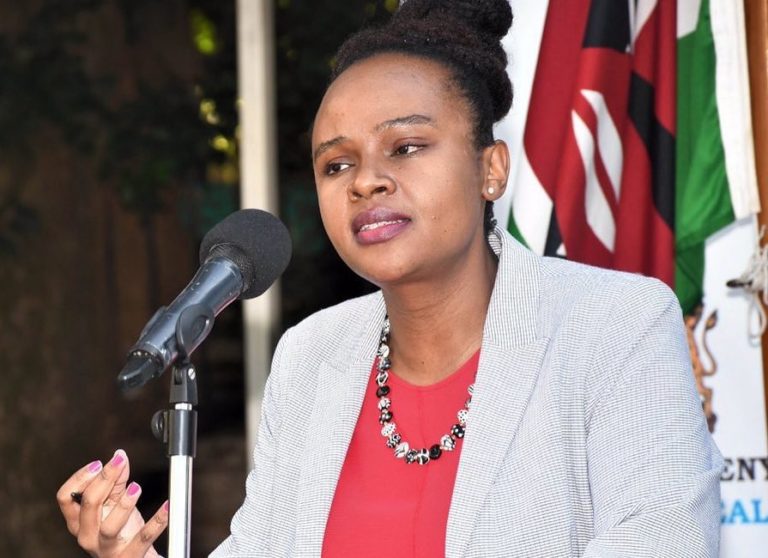
Mercy Mwangangi, the chief executive of SHA, disclosed the figures during an interview on Citizen TV on Tuesday. She contrasted the new body’s collections with those of its predecessor, the defunct National Health Insurance Fund, which she said had only managed Ksh45 billion in its lifetime.
Breaking down the inflows, Dr Mwangangi said Ksh8 billion went into primary health care, Ksh5.9 billion into the emergency and chronic illness fund, Ksh54 billion into the Social Health Insurance Fund, Ksh4 billion from public servants, and Ksh500 million from indigenous sources.
But she noted that the authority had already dismissed Ksh10.7 billion out of Ksh80 billion in claims submitted by facilities nationwide. Many, she said, were fraudulent.
“Our law is very clear,” Dr Mwangangi said. “If you submit a fraudulent claim to SHA, there are contractual terms that govern what SHA would do, including fines and criminal prosecution.”
She confirmed that SHA had handed to the Directorate of Criminal Investigations a list of 1,118 health facilities suspected of fraud. Investigations showed that 85 facilities had been directly implicated, while 151 others were flagged for operating outside their licensed tier of care or submitting false claims.
The revelations come as Kenyans adjust to the new social health insurance model, which replaced the much-criticised NHIF earlier this year. While the scheme has drawn praise for expanding access to health care, questions remain about accountability and data protection.
On concerns over patient privacy, Dr Mwangangi insisted SHA was operating within the law. “The data that the DCI will have is governed by the Data Protection Act and the Digital Health Act, which protect patient data. It’s within the law,” she said.
She argued that the authority could not determine the validity of claims without reviewing patients’ records. “There’s no way we will know if the claim is legitimate if we can’t access the claim and determine it took place,” she said. “How would SHA pay, on trust? We can’t.”
So far, 26 million Kenyans have registered with SHA, according to official figures. Of these, about 4.8 million are active contributors, including 4 million salaried workers and 890,000 from the informal sector.
Analysts say the numbers reflect a growing public embrace of the new health model. But they caution that fraud and inefficiency could undermine trust in a system meant to provide affordable health care to all.
About the Author