The Trump administration is preparing to push for sweeping restrictions on asylum at the United Nations, a move that could upend decades of international agreements on refugee protection.
According to internal planning documents reviewed by Reuters and confirmed by a State Department spokesperson, U.S. officials intend to host an event on the sidelines of the UN General Assembly later this month to promote a new framework for asylum and migration.
Under the proposal, people seeking asylum would be required to request protection in the first country they enter, rather than choosing their destination. Their status would be temporary, with host nations deciding when conditions in their home country were safe enough for return.
That would mark a sharp break from the post-World War Two system, built on the 1951 Refugee Convention and its 1967 Protocol, which enshrined the right to seek asylum on grounds of race, religion, nationality, social group or political opinion.
A State Department spokesperson described the initiative as an attempt to address what the administration sees as abuse of asylum for economic migration. One planning document reportedly framed migration as “a defining challenge for the world in the 21st century.”
Humanitarian groups have voiced alarm. Mark Hetfield, president of the refugee resettlement agency HIAS, said existing agreements were vital to ensuring people could escape persecution. “Right now, if someone comes to the border of any country because they are fleeing for their lives … they have the right to protection,” he said. “If it were to change, we’d be back to the situation we were in during the Holocaust.”
Deputy Secretary of State Christopher Landau is expected to lead the UN side event. Meanwhile, Andrew Veprek, President Trump’s nominee to head the State Department’s refugee division, told senators last week that the current framework was outdated. “It developed after the Second World War in a completely different geopolitical and economic context,” he said. “It cannot be expected to function in our modern world, and indeed it does not.”
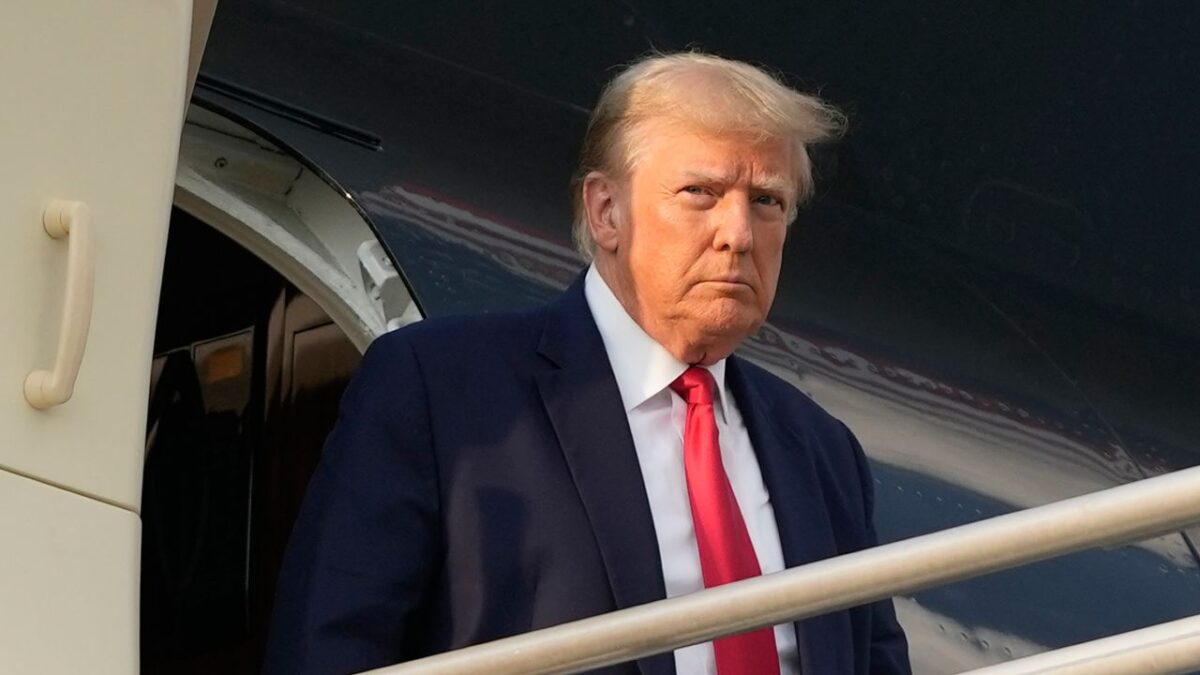
The administration has already taken a harder line at home, prioritising entry for white South Africans and expanding detention for undocumented migrants. With the UN push, Mr Trump appears set to take his domestic vision global.
Critics argue such a shift risks dismantling hard-won protections established in the aftermath of the war, when nations vowed never again to leave the persecuted without safe haven. Whether other governments will back Washington’s call for reform remains uncertain.
About the Author