Kenya’s universities are being pressed to move beyond academic theory and turn their research into practical solutions that create jobs and businesses.
Speaking at the 4th Commercialisation and Entrepreneurial Institutions Leaders’ Summit in Mombasa on Thursday, Chief of Staff and Head of Public Service Felix Koskei called for a shift in how research is valued.
“Our challenge is not producing more research papers, but ensuring research translates into production, enterprise, food sufficiency, and better health outcomes,” he said.
Koskei urged universities and research institutions to reduce their dependence on donor funding and embrace models that attract private investment. He argued that venture capital and partnerships with industry should be central to financing innovation.
As part of the push, Koskei launched Student-Led Innovation Clubs in 11 universities, including the University of Nairobi, Daystar, USIU-Africa and Zetech. He said the clubs would “incubate creativity and entrepreneurship, strengthening Kenya’s innovation pipeline.”
The Kenya National Innovation Agency (KeNIA) reported progress in turning ideas into enterprises. Chief Executive Tonny Omwansa said the agency’s Research-to-Commercialisation Accelerator had already created 18 businesses, generated 220 jobs and raised 217 million shillings.
“We are now rolling out a Shared Technology Transfer Office, setting up the NEIL Innovation Fund, and expanding commercialisation support to more institutions,” Dr. Omwansa noted.
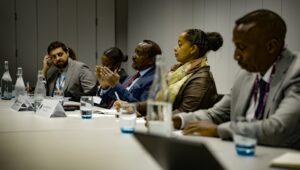
The summit brought together more than 250 delegates, including vice chancellors, industry leaders and policymakers. Taita Taveta Governor Andrew Mwadime highlighted innovation as a tool for tackling youth unemployment, while Science and Innovation Principal Secretary Prof. Shaukat Abdulrazak stressed the need for stronger patent generation to improve Kenya’s global competitiveness.
The call for universities to embrace commercialisation comes as the government faces growing pressure to spur job creation in a slowing economy. For Koskei, the message was clear: research should not just sit on shelves but help drive Kenya’s development goals.
About the Author