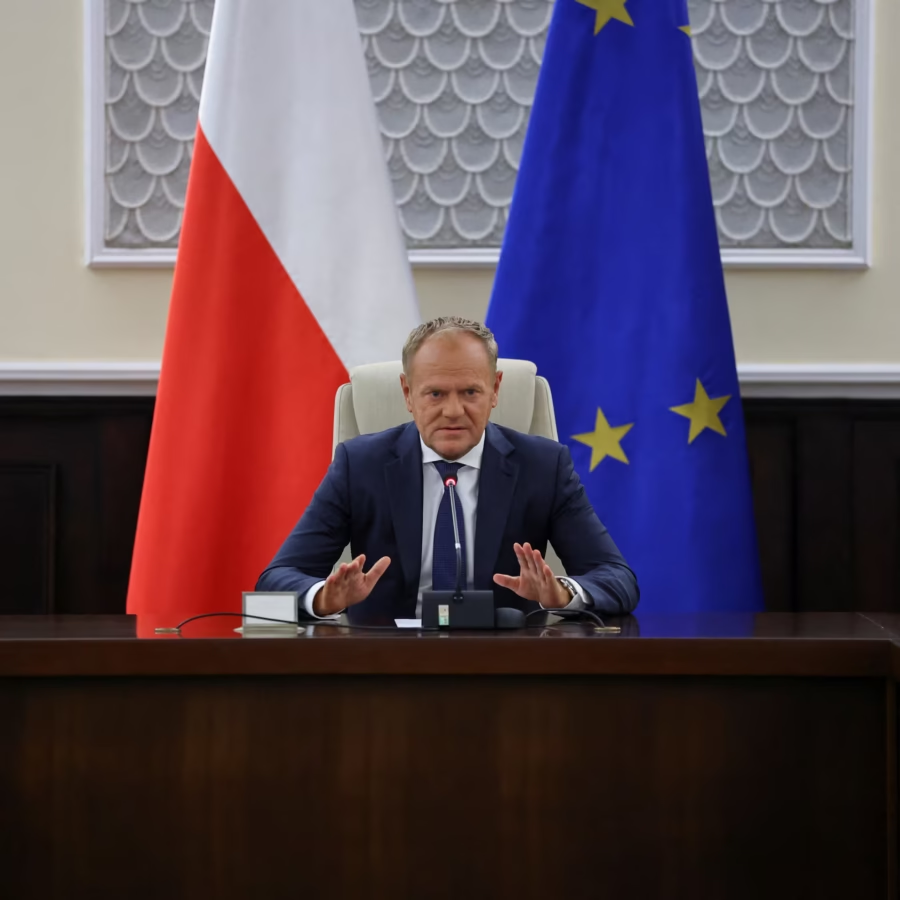
Poland took a bold and unprecedented step this Wednesday. In response to a barrage of Russian drones crossing its border, Warsaw fired back—marking the first time a NATO member has actively engaged in the Ukraine war.
Prime Minister Donald Tusk said the incursion was a “large-scale provocation,” adding: “Those drones that posed a direct threat were shot down.”
What Happened
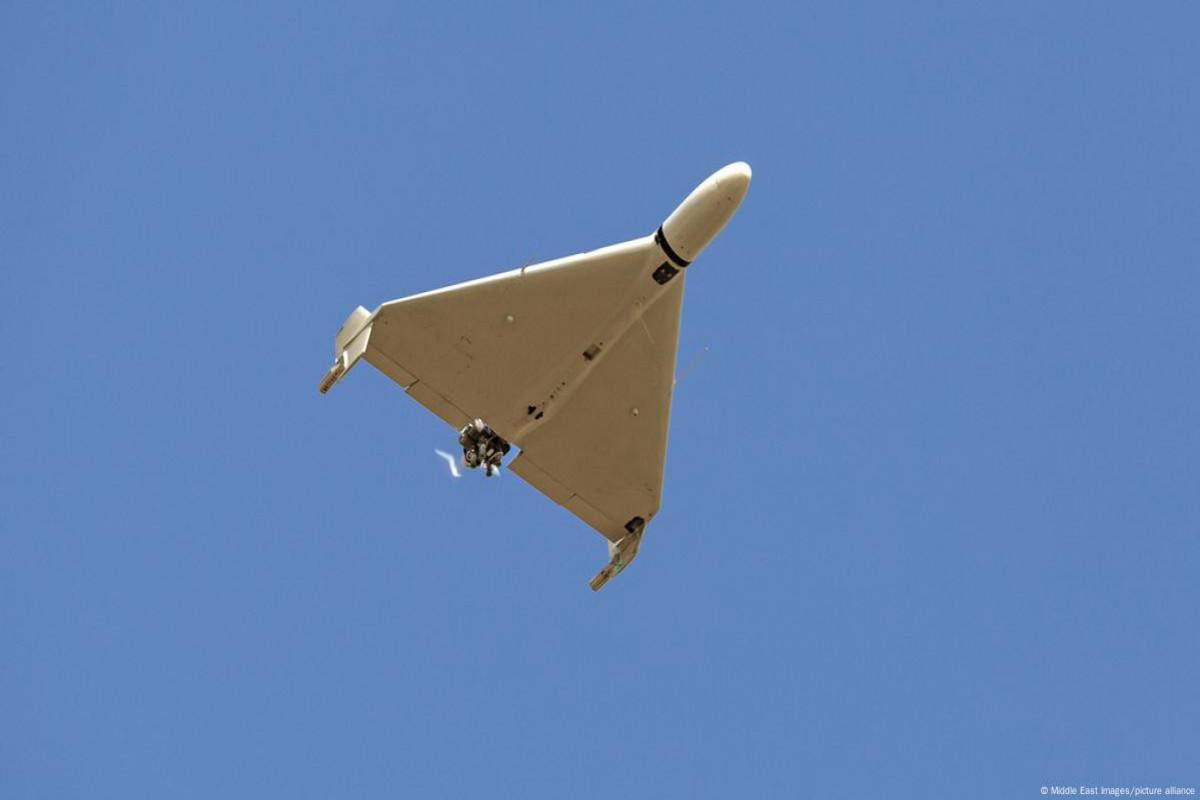
- Detection and Defence: Radar systems tracked at least 19 incoming drones, believed to be Iranian-made Shaheds. Polish air defences, backed by NATO assets, neutralised those deemed dangerous.
- Allied Support: NATO support came swiftly. Dutch F-35 fighters were scrambled, German Patriot systems put on standby, and surveillance aircraft joined the effort.
- Crisis Alerts: Residents in eastern regions—Podlaskie, Mazowieckie, Lublin—received urgent instructions to stay indoors. Airports in Warsaw and Lublin briefly shut down, causing widespread disruption.
- Ground Impact: In Wyryki, a drone struck a residential roof, though no one was hurt. Nearby villages, Czosnowka and Czesniki, yielded drone debris, now being studied by authorities.
Rising Stakes—What’s at Risk
This is more than a military skirmish. It could tip the diplomatic balance.
- NATO Alert: Tusk triggered Article 4 of the NATO treaty, seeking formal consultations on this serious breach.
- European Alarm: Ukrainian President Volodymyr Zelensky cautioned that the incident sets “an extremely dangerous precedent for Europe.” EU leaders echoed the sentiment, calling for greater unity and tougher sanctions.
Rival Reactions
- Russian Denial: Russia dismissed the accusations as “groundless,” demanding proof that the drones were Russian.
- Western Warnings: In the United States, lawmakers warned the flights were testing NATO resolve. Urgent sanctions and military reinforcements followed the breach.
A Moment of Realisation
Poland’s response wasn’t impulsive. It followed years of near-misses—the most dramatic in 2022, when a stray missile killed two civilians inside Polish territory. Since then, NATO has avoided military responses to prevent further escalation.
This time, the decision was clear. The intrusions, though brief, crossed a line. Tusk put it plainly: “We are dealing with a large-scale provocation… The situation is serious.”
Poland’s shooting down of Russian drones marks a serious shift in the Ukraine conflict. It is NATO’s first direct military engagement. The incident stirred urgent crises, tested allied unity, and now raises inevitable questions about deterrence, escalation, and Europe’s readiness to act.
About the Author