
Life. Seasoned with perspectives
“Sometimes the sharpest correction isn’t harsh — it’s soft.”
One of my friends has this running joke whenever I lose it. He looks me straight in the eye and says, “Weren’t you hugged enough as a child?”
The truth? He’s right. I wasn’t.
Let’s talk about parenting. This isn’t expert advice. It’s lived experience — stitched together with a bit of common sense. For context, I’m a millennial raising three gorgeous girls: thirteen, nine, and four. All Gen Alphas. All strong personalities. And if there’s one thing I’ve learned, it’s this: hugs matter.
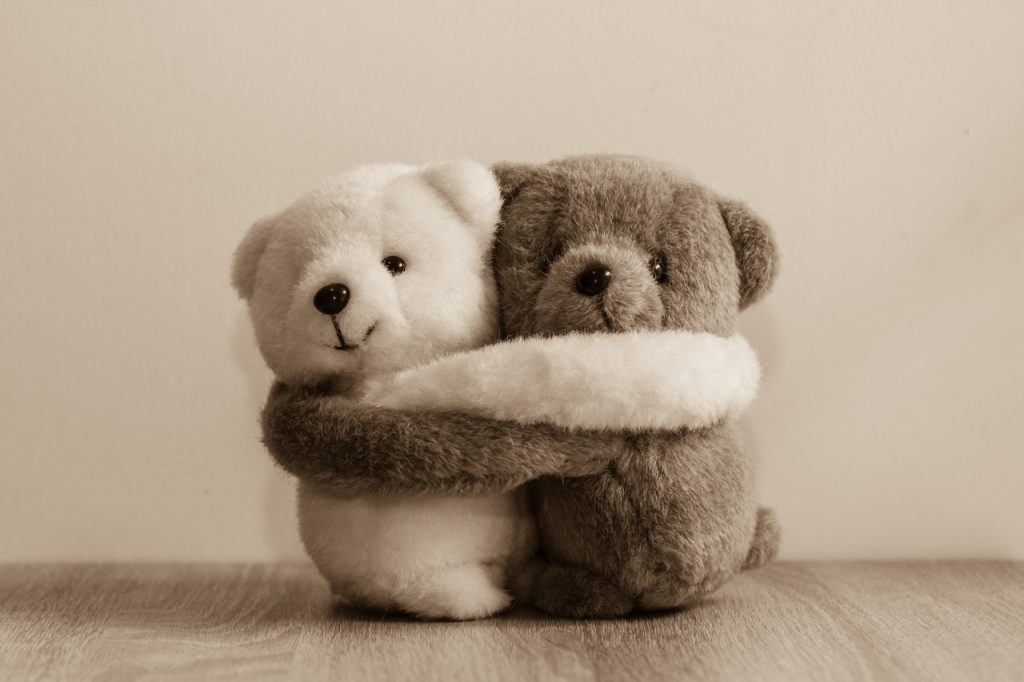
I hug my kids all the time. It feels natural, never awkward. And honestly, I think I need those hugs more than they do. Nothing heals a bad day faster than tiny arms around your neck or a soft whisper saying, “Daddy, I missed you.” In that moment, deadlines, traffic, and life’s chaos fade. For a brief second, the world makes sense again.
Growing Up Under Strict Rules
Both my parents were teachers. Which meant discipline was practically a school subject. I won’t even attempt to rank who was stricter — they both had their unique styles.
My mum, Kadali, had a punishment that would probably get me arrested if I tried it on Nia, my youngest. It always began the same way: her face flushed, her voice sharp, and then came the dreaded ear lift. She’d hoist you until your toes barely touched the floor, followed by a double slap across the ears. First silence. Then ringing. Then stars. That was Kadali-brand justice.
My dad, Salano, was different. His voice alone was punishment enough. And his rules? Ironclad. Playing at the neighbours’ homes? Absolutely forbidden. Our friends knew it too. They acted like undercover operatives, sprinting to warn us whenever Dad’s Peugeot 404 appeared at the gate. The stampede home was Olympic-level.
One day, I wasn’t so lucky. I was deep in play and didn’t notice his arrival. By the time I saw the car in the compound, panic hit. I tried sneaking in through the fence, but the barbed wire tore deep into my leg. I kept it hidden until it was nearly septic. When I finally confessed, I got the double punishment — the hiding and the dreaded tetanus shot. The scar is still here. A permanent childhood souvenir.
Looking back now, I realise how much of our childhood was shaped by fear. Discipline wasn’t just correction. It was control. And though our parents meant well, their methods often left more wounds than lessons.
My brother Tim had it worse one day. I can’t even remember what he did, but I’ll never forget what followed. Let’s just say — in street language — alionwa war.
Parenting Today: A Different Ball Game
Fast forward to today. Parenting feels completely different. Every other week, we see headlines about punishments gone too far — a father beating his son with a crude weapon for stealing maize, a mother burning her daughter with embers for letting food burn. These aren’t punishments. They’re horrors.
And they force us to ask: When does correction cross the line into cruelty?
Even in my own home, the shift is obvious. Not long ago, my eldest, Nailantei, looked me straight in the eye and said:
“But Dad, don’t you think we need to discuss that?”
I froze. Discuss? With me? In my father’s house, that word didn’t exist. There were no negotiations, no debates — just orders and consequences.
But that’s the world our kids are growing up in. A world that expects conversation, not commands. They’re raised in classrooms that encourage questions. They scroll through timelines where opinions matter. Naturally, they expect to be heard at home too.
Correction Without Scars
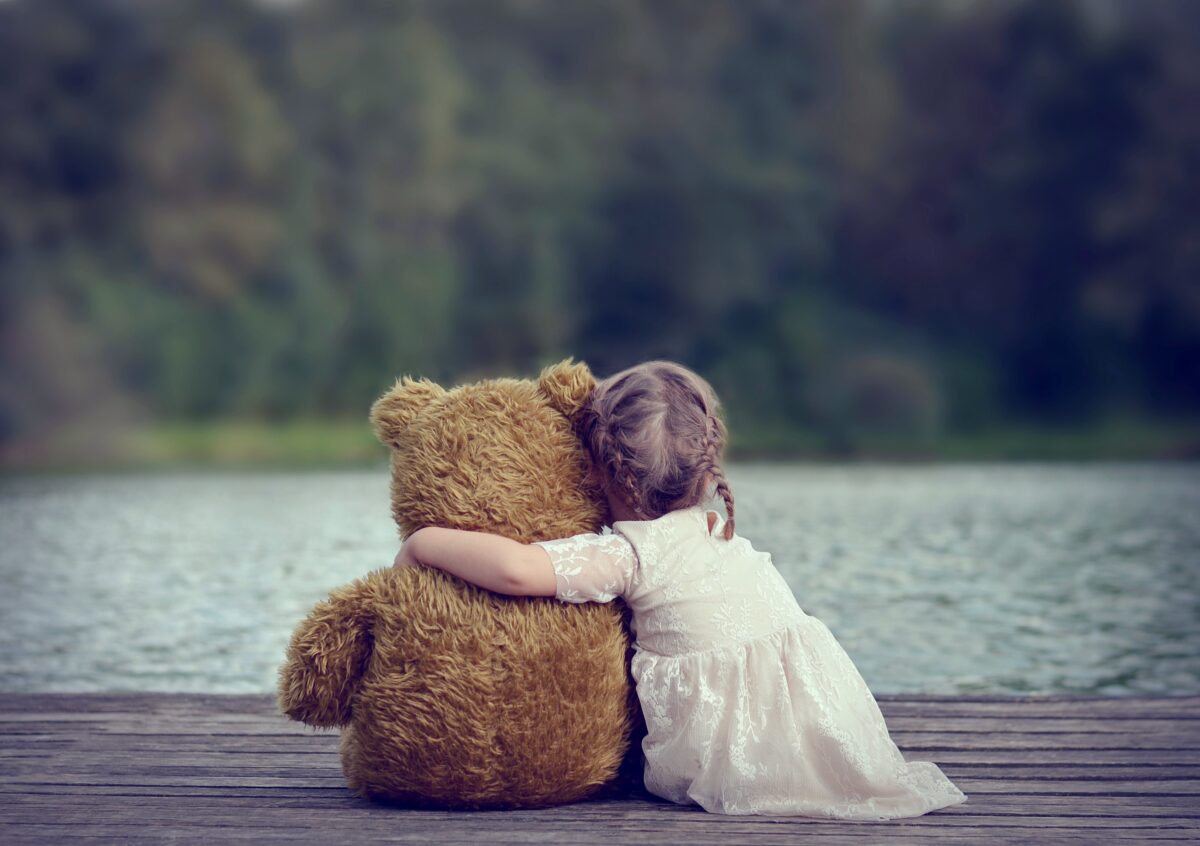
Discipline hasn’t disappeared — but its meaning has changed. It can’t be about fear anymore. It must be about guidance, not domination. It must teach, not scar. It must build trust, not break it.
I don’t claim to have formulas. Every child is different. Every parent is figuring it out as they go. But this much I know: Punishment should never leave scars — physical or emotional.
A child should walk away corrected, not broken.
And maybe — just maybe — we should all give more hugs. Because a hug isn’t soft. It’s strong. It heals. It affirms. It says:
“You are loved, even when you mess up.”
If there’s one lesson I’ve learned raising three Gen Alphas, it’s this: sometimes a hug is more revolutionary than a slap.
About the Author
Kibisu Mulanda is a media executive and strategic communicator with over 20 years of experience in television, NGO storytelling, and youth-focused content. He is the Acting Head of Switch Media Ltd and teaches media at the Kenya Institute of Mass Communication (KIMC). A Certified SIYB Trainer, Kibisu blends storytelling with strategy to drive social impact.
About the Author