A popular nightclub Space Next Door in Nakuru has sparked outrage after posting a promotional video showing its dancers dressed in skimpy school uniforms.
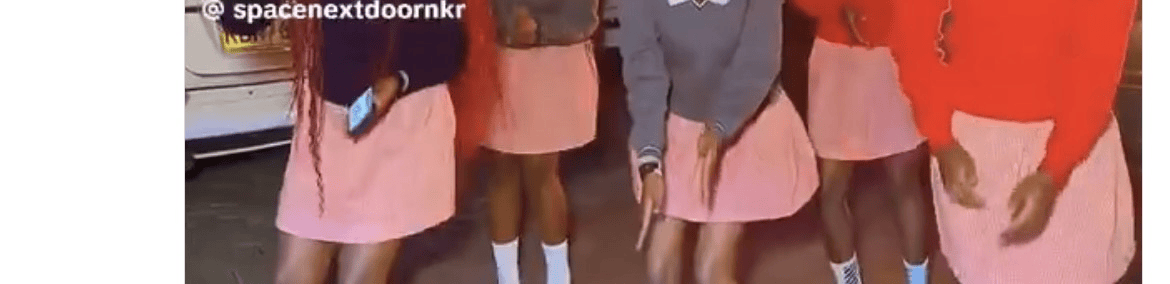
The 35-second clip, first shared on TikTok and Instagram, drew immediate criticism from parents, activists and social media users. Many argued that the choice of costumes crossed a line by sexualizing school-going children.
Many have argued that this kind of content normalizes child indecency and could be seen as enabling the exploitation of minors.
Child protection advocates stressed that the use of school uniforms in entertainment settings sends the wrong message. Clubs should be mindful of what they promote. School attire carries meaning and should not be trivialized or sexualized for profit.
The club has since deleted the video and released a statement, saying it was part of its regular themed nights that highlight different professions. Management apologized for the “unfortunate timing” and any negative interpretations, stressing that it does not promote or condone child exploitation.

The controversy comes amid growing scrutiny of how entertainment venues market themselves online. Campaigners have urged stricter guidelines to ensure promotions do not expose young audiences to harmful or suggestive content.
This controversy comes on the heels of a shocking investigative exposé into child sexual exploitation in nearby Maai Mahiu. A BBC Africa Eye documentary revealed how minors, some reportedly as young as 12 or 13, were lured into sex work by so-called “madams,” especially targeting truck-driver clients in transit towns.
The revelations prompted swift action. Kenya’s National Police Service deployed a multi-agency team, including child protection specialists, to Maai Mahiu. Their mandate: record statements, rescue affected children and pursue those responsible. In parliament, Interior Cabinet Secretary Kipchumba Murkomen later suggested that parts of the BBC report included fabricated accounts alleging that some subjects may have lied about their age. The BBC countered firmly, saying none of its interviewees had been paid or coached and that all had participated voluntarily to expose a grave injustice.
This broader context casts Space Next Door’s video in a harsher light. In a climate where child exploitation is exposed and police are scrambling to respond, the use of school uniforms for adult entertainment strikes many as grotesquely tone-deaf if not worse.
As public pressure mounts, activists are calling for stronger guidelines on how social media is used in marketing not least by entertainment venues. For them, this is a moment to reflect: far from innocent, such imagery can erode the line between fantasy and reality, placing youthful innocence at risk.
About the Author