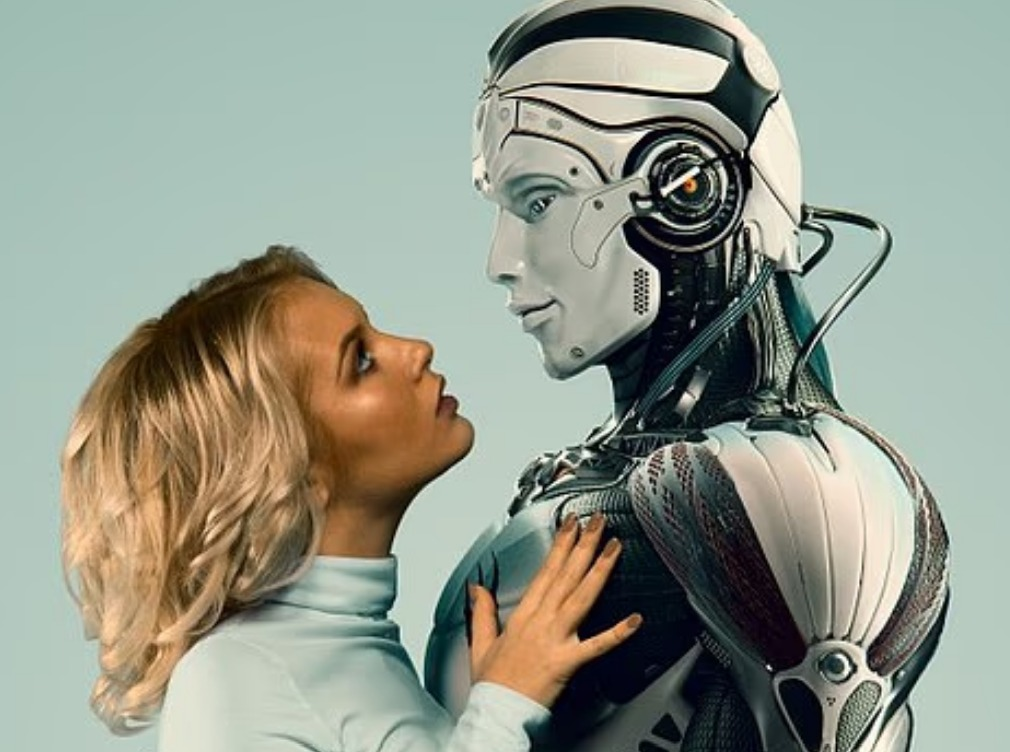
Artificial intelligence experts are warning that human-like robot partners may be a part of everyday life much sooner than most people expect offering companionship, sex, and even emotional support on demand.
Futurist Dr Ian Pearson told the Daily Mail last year that some wealthy households could be the first to experience sex with robots, with the technology later spreading more widely. These machines, he predicted, would be programmed to act as the “perfect partner.”
Associate Professor Niusha Shafiabady, a robotics researcher, said the technology was advancing rapidly and would soon be far removed from the cold, metallic images often associated with robots. “They won’t be metal. There will be textures to make them feel human,” she said.
Shafiabady believes teenagers today could be the ones to normalise human–robot relationships within the next decade. “They will be very accepting of technology. They will be very comfortable with it,” she said, adding that people might even tailor robots to match their ideal vision of a partner.
“AI can always be happy, it can mimic empathy, and it has the perfect emotional response,” she explained. “You could programme the ideal partner using AI.”
However, she cautioned that the rise of robot partners carried risks, including the erosion of human-to-human connections. “Is it ethical to continue to erode relationships, especially for more vulnerable people like kids? Is that the path we want to head towards?” she asked.
Shafiabady also warned that the novelty might not last. “Humans have emotions like happiness and sadness. After a few years, we could see the flaws of AI robots. It’s very unnatural to our nature.”
Cost remains a barrier. Advanced sex robots can exceed $15,000, but Shafiabady said pricing could decide how widespread the technology becomes. “If an AI robot becomes something cheap, then we will see a big change in our society,” she noted.
According to adult industry tracker Bedbible, an estimated 156 sex robots were sold each day in 2024. The Daily Mail reported that Dr Pearson believes women may be more likely than men to adopt robot partners, citing the long history of female-focused devices in the sex toy industry.
Harvard-trained mathematician and data scientist Dr Cathy O’Neil suggested men might face competition. “It is entirely possible that robots can outperform men,” she said.
Dr Pearson has gone further, predicting that by 2050, sex with robots will overtake sex with other humans entirely.
About the Author