PARIS — The United States will withdraw from UNESCO for the second time in less than a decade, following an announcement made by President Donald Trump. The exit will take effect at the end of December 2026.
UNESCO Director-General Audrey Azoulay expressed “deep regret” over the decision, calling it a setback to global cooperation and shared cultural efforts. “This decision contradicts the fundamental principles of multilateralism,” Azoulay said in a statement from the agency’s headquarters in Paris.
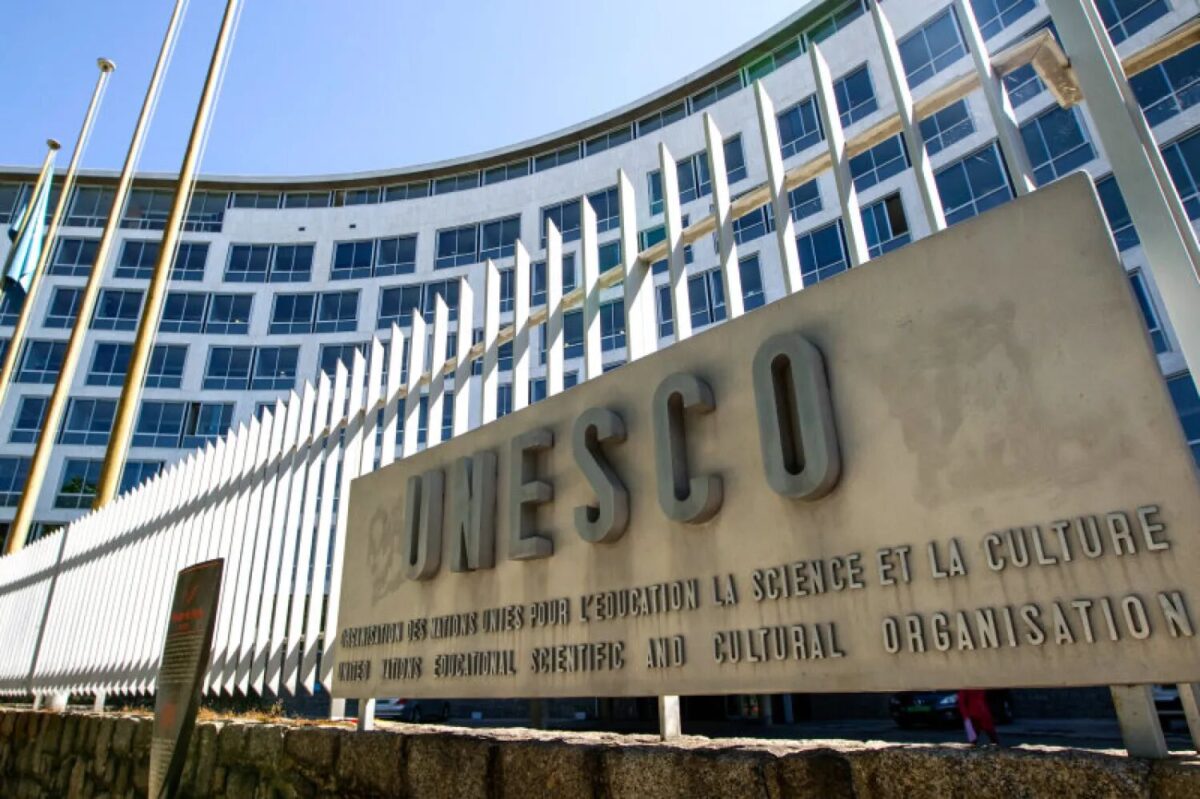
This move echoes the U.S. withdrawal in 2017 under the same administration. The justification provided now remains largely unchanged from seven years ago, despite what UNESCO Director-General Azoulay described as “profound changes” in the organization’s structure, mission, and global relevance.
In response to the 2017 departure, UNESCO initiated major reforms, including diversifying its funding base and expanding partnerships beyond government channels. According to the organization, the U.S. contribution now accounts for just 8% of UNESCO’s budget, down from nearly 40% for some other UN agencies. Voluntary contributions have doubled since 2018, offsetting much of the financial loss.
“There are no layoffs under consideration at this stage,” UNESCO Director-General Azoulay confirmed, stressing that the organization remains financially stable with continued support from other member states and private contributors.
Despite previous tensions with Washington, UNESCO has moved forward with major global initiatives. These include the reconstruction of Mosul’s Old City in Iraq, launched in 2018; development of a global framework on artificial intelligence ethics; and expanded programs supporting education and cultural preservation in conflict zones like Ukraine, Lebanon, and Yemen.
The agency also leads international efforts on biodiversity protection and education for girls in vulnerable regions.
The Trump administration has cited concerns over UNESCO’s political direction. However, Azoulay pushed back strongly, pointing to the agency’s leadership in Holocaust education and the fight against antisemitism.
UNESCO has assisted 85 countries with teacher training, curriculum development, and tools to counter Holocaust denial and hate speech. Its work has received public support from respected Jewish organizations, including the United States Holocaust Memorial Museum and the American Jewish Committee.
“These claims contradict the reality of UNESCO’s work,” UNESCO Director-General Azoulay said, adding that the agency is the only UN body responsible for such educational efforts.
Although the U.S. will leave the organization officially at the close of 2026, UNESCO plans to continue working with American researchers, universities, nonprofits, and private sector partners.
“We will pursue political dialogue with the U.S. administration and Congress,” UNESCO Director-General Azoulay added, emphasizing that the door remains open for America’s return.
UNESCO, founded in 1945, now has 194 member states and operates in 54 countries. It manages over 2,000 designated sites around the world and supports more than 13,000 schools and academic programs.
UNESCO Director-General Azoulay closed her remarks with a reminder of the agency’s founding principle: “Since wars begin in the minds of men, it is in the minds of men that the defenses of peace must be constructed.”
About the Author