Nairobi — Kiharu MP Ndindi Nyoro has raised strong objections to the Ksh.44.7 billion bond issued to fund the construction of the Talanta Sports Stadium, warning that the financing model could eventually saddle Kenyan taxpayers with a Ksh.100 billion repayment bill. Kiharu MP Ndindi Nyoro, a former Budget and Appropriations Committee chair, says the stadium bond issued by private financial entity Linzi Finco could double or even triple in cost by maturity, creating what he calls a “hidden debt” that Kenyans are not being fully informed about.

“The maturity of this loan of Ksh.44.7 billion means we could pay up to Ksh.100 billion,” MP Nyoro said at a press briefing. “If this cannot make us angry as Kenyans, I don’t know what will.”

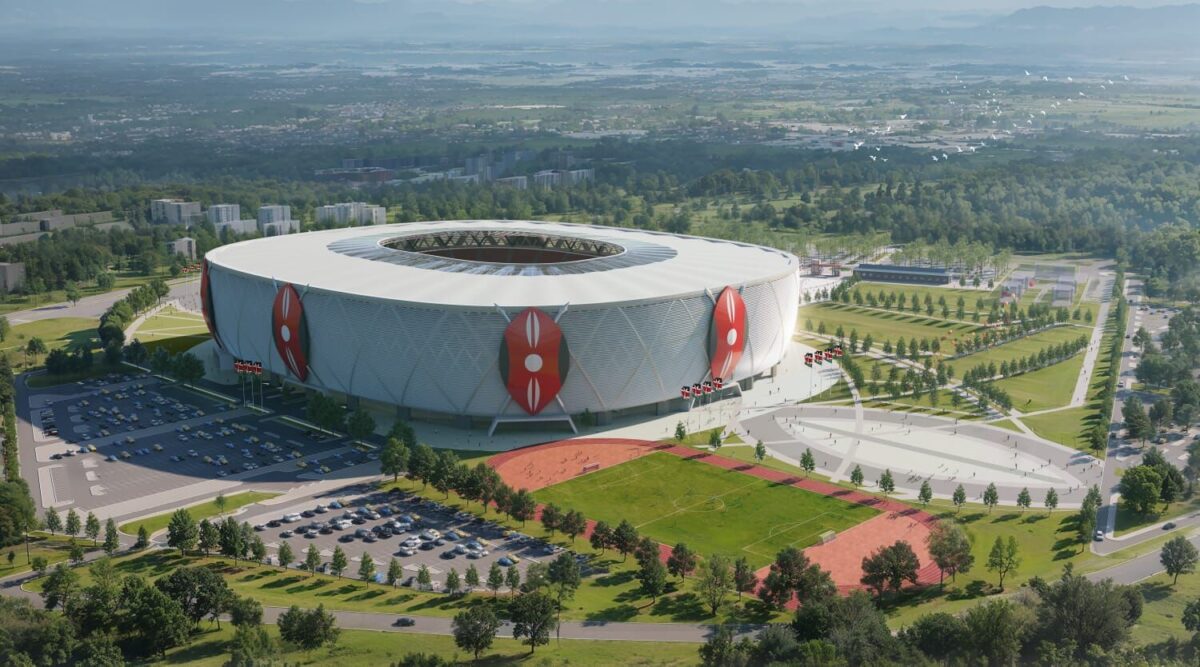
The 60,000-seat Talanta Sports Complex, now under construction in Nairobi, is a flagship project expected to host the 2027 Africa Cup of Nations. President William Ruto launched the project with much fanfare, positioning it as part of a broader infrastructure plan that relies on creative domestic financing rather than traditional foreign borrowing.

But MP Nyoro claims the funding approach lacks transparency. MP Nyoro criticized the securitization model behind the bond, arguing that the country is “now running two sets of debt books” referring to the official national debt and what he believes are new off-the-record liabilities. “Every child born in the next 15 years will have a loan tag for money they have no idea how it was used,” MP Nyoro said.
President Ruto has publicly defended the bond, calling it part of Kenya’s “new financial frontier.” Speaking at the Nairobi Securities Exchange, he framed it as an example of the country’s ability to raise funds domestically. He also cited other initiatives such as the government-to-government oil deal and asset-backed infrastructure financing, which he said have together brought in Ksh.175 billion.
Despite the public backing, MP Nyoro claims the concerns are not limited to political opponents. MP Nyoro said some officials inside the National Treasury are uncomfortable with the bond’s structure and implications. “I can tell you without blinking an eye that top Treasury officials who have experience are not in support of this move,” MP Nyoro said, without naming specific individuals.
The administration maintains that the new borrowing tools will strengthen domestic capital markets and reduce reliance on external debt, which has soared to over Ksh.10 trillion. The Talanta Stadium bond, according to government spokespeople, is part of a long-term shift to fund infrastructure through local capital pools.
Still, the sharp disagreement from a former top budget official highlights the tension between innovation in financing and the risks of accumulating unsustainable debt. As construction on the stadium continues, the debate over the bond’s actual cost and transparency is likely to intensify, especially with taxpayers facing the prospect of repaying a figure more than double the original amount borrowed.
The government has not yet released a full breakdown of the bond’s projected interest payments, tenure structure, or the revenue streams expected to repay the debt.
About the Author