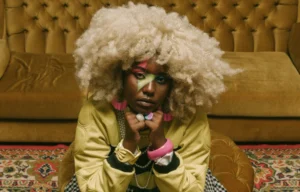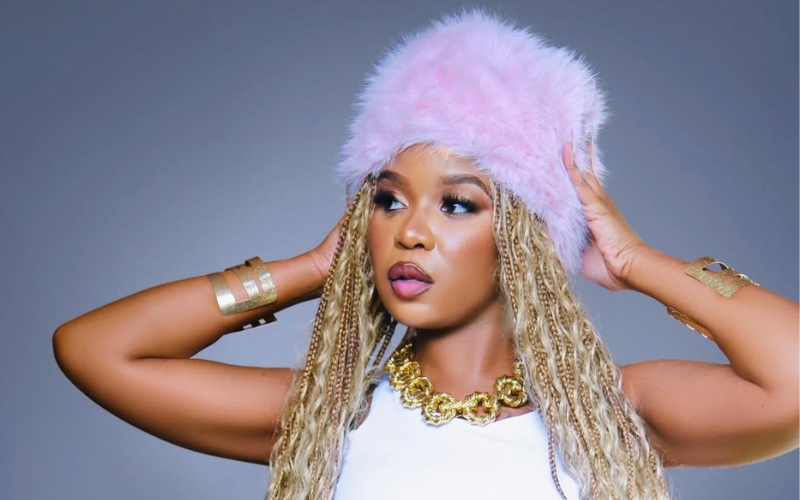
Dyana Cods, one of Kenya’s most outspoken rappers, fell to her knees on stage during a live performance this weekend, offering a tearful apology that stunned fans and reignited debate around celebrity influence and political loyalty.
“I want to apologize to everyone, nawapenda manze,” she said, voice trembling. “I am sorry for the words that I said that hurt you. Napenda mafans wangu sana. I choose you over any president.”
The crowd at the packed venue in Nairobi stood in silence, many filming the moment as it unfolded. Then came the question that hung heavy in the air:
“Mmenisamehea ama hamjanisamehea? I love you guys, please forgive me.”
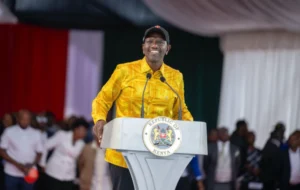
Her emotional plea followed weeks of intense backlash, sparked by an Instagram Story in which she voiced support for President William Ruto, stating that “bad governance is better than no governance.”
The comment, though deleted soon after, did not go unnoticed.
At a time when many young Kenyans are demonstrating against rising living costs, police brutality, and alleged state corruption, her words were seen as dismissive—if not downright offensive.
“She used to speak for us. Now she’s speaking against us,” one fan wrote on X (formerly Twitter), echoing a sentiment shared by thousands. Hashtags like #CancelDyana and #RapperForTheRegime trended for days.
For an artist who built her reputation as a bold, relatable voice for Kenya’s youth, the fallout was swift and painful. Her social media pages turned into battlegrounds, with fans accusing her of betrayal. Some vowed never to stream her music again.
But Dyana stayed silent—until the show.
On stage, she appeared raw, shaken, even remorseful. Her words, stripped of bravado, struck a chord with parts of the audience. Still, not everyone was convinced.
“They just hype the president and then come back and say sorry like nothing happened,” wrote Avenger Q9 on Instagram.
“Apology without denouncing Wantam is invalid,” added another user, Jamrock, referring to the slang name for the president among online critics.
Others, like user westernee05, were ready to forgive: “Kama amekubali Wantam, we are good to go.”
Her critics are not limited to fans alone. Some music industry insiders speculate her apology was a strategic move to salvage her career ahead of a rumoured new album. But not all agree.
“There was pain in her voice. That wasn’t acting,” said Maish David, a concert-goer who witnessed the performance.
Public apologies from Kenyan artists are rare-especially when linked to political statements. Dyana’s moment was both vulnerable and symbolic. It highlighted the growing tension between celebrity expression and the political climate in Kenya, where artists are increasingly pressured to pick a side-or stay silent.
About the Author