Burkina Faso – Burkina Faso’s government has officially dismantled the country’s electoral commission, assigning future control of elections to the interior ministry. The announcement was made on state-run RTB Television, marking another significant step by the ruling junta to consolidate political power.
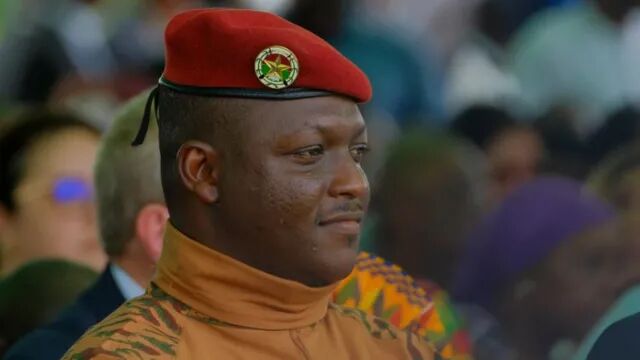
The interim president Captain Ibrahim Traoré seized control in September 2022 and has been making reforms to take back power and improve livelihoods of the people of Burkina Faso the president’s latest move follows the suspension of scheduled elections and an extension of the transition period to civilian rule now delayed until July 2029.
Territorial Administration Minister Emile Zerbo defended the decision, stating the electoral commission cost the state nearly $870,000 annually. “This change strengthens our sovereign control over the electoral process and reduces foreign interference,” Zerbo said in a statement quoted by AFP.
Before its dissolution, the electoral commission was tasked with organizing national votes and safeguarding electoral transparency. Its removal leaves election oversight in the hands of the same government that extended its own tenure.
A nationwide vote was initially planned for 2024. However, the junta extended the transition timeline by five years, allowing interim president Ibrahim Traoré to remain in office and remain eligible to contest the next presidential election.
The military government rose to power after accusing previous civilian authorities of failing to contain a growing Islamist insurgency. Since then, Burkina Faso has shifted its alliances, cutting ties with France and turning to Russia for military and strategic support.
Rights groups have accused the military of suppressing dissent, restricting media freedom, and carrying out operations that have harmed civilians. Independent reports indicate a sharp increase in jihadist violence, despite the junta’s promises of improved security.
Between January and June 2025, the al-Qaeda-linked group Jama’at Nusrat al-Islam wal-Muslimin (JNIM) claimed responsibility for more than 280 attacks across the country. That number is double the figure recorded in the same period last year, based on verified data reviewed by BBC analysts.
Critics argue the junta’s moves point to a steady erosion of democratic checks. The elimination of an independent electoral body raises concerns about the credibility and fairness of any future elections held under military supervision.
Captain Traoré remains a polarizing figure. Supporters hail his firm stance on security, while opponents say the delay in returning to civilian rule, along with the dissolution of oversight institutions, threatens the foundations of democratic governance.
There has been no immediate response from international observers or regional bodies regarding the abolishment of the commission.
With no elections scheduled before mid-2029 and military control over the electoral process now formalized, Burkina Faso’s political future remains uncertain.
About the Author