JUBA – South Sudan is marking the eve of its fourteenth Independence Day under the weight of its most widespread and prolonged cholera outbreak. Since the disease was confirmed in October 2024, health officials have documented over 80,000 cases and 1,400 deaths, signaling a critical stage in the country’s public health emergency.
The outbreak began in September last year and has escalated rapidly in the face of worsening conditions. Displacement, recurring floods, and limited access to clean water and sanitation have fueled its spread. Hunger and ongoing intercommunal violence have further strained the response capacity of aid groups and government agencies.
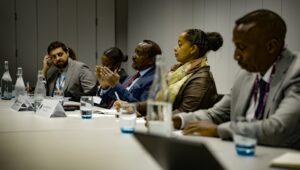
“This is not only a public health crisis, but a multi-sector emergency,” South Sudanese ministers stated in a joint communiqué following an inter-ministerial meeting held Monday in Juba.
The meeting brought together national officials, United Nations agencies, and civil society leaders to assess the worsening outbreak. Participants resolved to prioritize access for humanitarian workers to outbreak areas and regions at risk. The government committed to leading coordination of efforts on the ground.
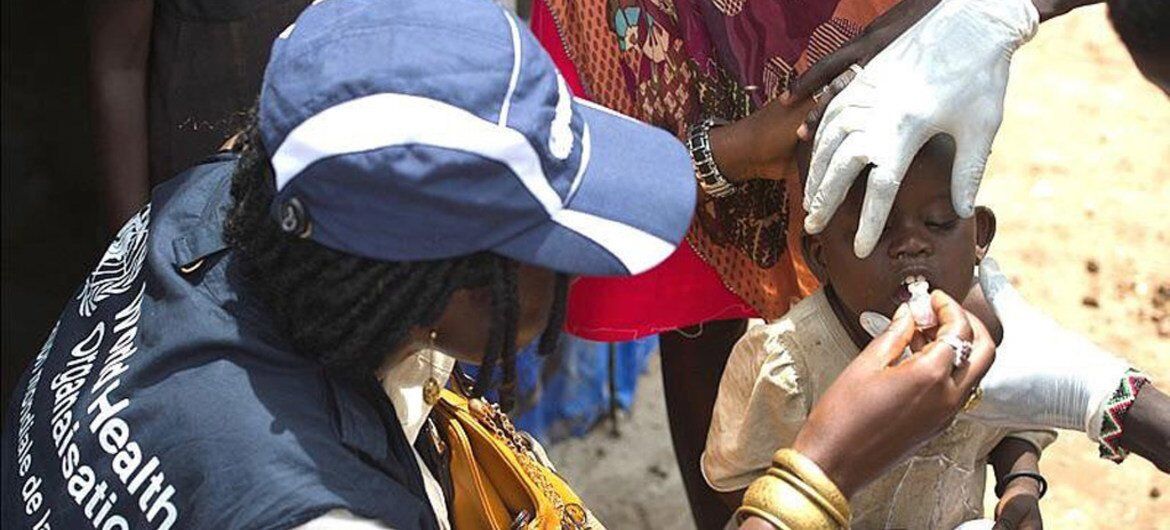
To stop the spread, partners are focusing on immediate delivery of clean water, restoration of sanitation services, and a vaccination campaign aimed at both active and at-risk communities.
The urgency is compounded by the approaching peak of the rainy season. Officials warned that the next eight weeks will be decisive in preventing the outbreak from spiraling beyond control.
“Time is of the essence to prevent a further escalation,” the officials wrote.
According to health data, floods more than double the frequency of cholera outbreaks. Waterborne transmission increases when floodwaters contaminate sources of drinking water, and response efforts are delayed due to blocked roads or inaccessible terrain. Rising global temperatures have worsened these flood cycles, exposing new populations to risk.
Cholera, caused by ingesting water or food contaminated with fecal matter, spreads quickly in crowded or unsanitary environments. While most cases are mild and treatable with oral rehydration solutions, the infection can cause death within hours if left untreated. Infected individuals can remain contagious for up to ten days, even without showing symptoms.
Though preventable, cholera continues to spread in South Sudan due to systemic weaknesses in water and health infrastructure. These challenges have worsened with ongoing conflict and displacement, leaving millions without access to basic services.
The World Health Organization (WHO), working alongside South Sudanese health authorities and humanitarian partners, has scaled up vaccination and supply delivery efforts. But funding shortages threaten to limit the response.
UN agencies estimate that $1.69 billion is needed to address South Sudan’s broader humanitarian crisis. As of early July, only $368 million has been received. Aid groups have warned that gaps in resources will hamper the ability to reach affected areas quickly and protect communities before the flooding intensifies.
Despite the challenges, government officials maintain that the cholera response must remain a top national priority.
“Cholera response and flood preparedness must be treated as urgent national priorities,” the joint communiqué stated.
The crisis has placed millions at risk. As South Sudan prepares to mark its independence, health workers, aid groups, and national leaders face a race against time to contain a preventable disease that has turned deadly.
About the Author