
Iran and Israel Exchange Missile Fire for Fifth Straight Day as Trump Leaves G7 Early
Israel and Iran launched fresh missile strikes overnight in the most recent exchange of fire between the two adversaries. The ongoing conflict has now entered its fifth day, with explosions reported in Tel Aviv, Jerusalem, and Tehran.
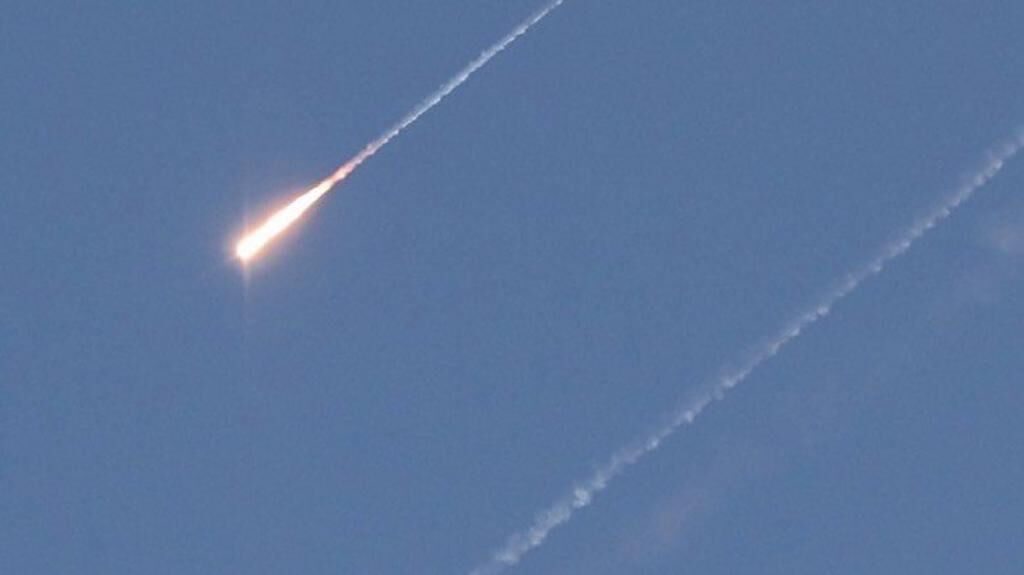
Shortly before dawn, the Israeli military confirmed Iran fired a new wave of missiles targeting central and northern Israel. Sirens wailed across major cities. Interceptors from the Iron Dome lit up the skies. At least one direct hit was confirmed in central Israel. Five people were treated for light injuries from shrapnel at a bus parking lot, according to Israel’s emergency service Magen David Adom.
“I heard two loud booms before the sirens,” a Tel Aviv resident said online. “We ran into the stairwell. This keeps happening every night.”
In Tehran, Iranian media reported explosions and heavy anti-aircraft fire. Crowds were seen rushing to gas stations while traffic clogged exits from the city. “How can 10 million people evacuate Tehran?” one resident posted, as panic grew over a possible escalation.
Israeli strikes overnight hit what the IDF called “military targets” in western Iran, including missile platforms and drone storage sites. Prime Minister Benjamin Netanyahu said the attacks dealt a heavy blow to Iran’s missile and nuclear programs. Speaking on a London-based Persian-language network, he added, “This is an opportunity for the Iranian people to decide their future.”
The Israeli government has not confirmed civilian casualties from its latest strikes, while Iran has yet to release casualty figures from Israeli air raids earlier in the week.
As missiles flew, U.S. President Donald Trump abruptly left the G7 summit in Canada. His departure came hours after renewed hostilities in the Middle East. Trump boarded Air Force One in Calgary and dismissed claims his return was linked to ceasefire talks.
“This has nothing to do with a ceasefire,” Trump posted on Truth Social. “It’s much bigger than that.” He did not provide further explanation.
French President Emmanuel Macron had earlier suggested Trump’s return to Washington was tied to backchannel discussions between U.S. and Iranian officials. Macron described it as a chance to “launch a broader dialogue” and secure a ceasefire. Trump publicly rejected that claim.
Before leaving the summit, Trump signed a joint G7 statement labeling Iran as the “principal source of regional instability and terror.” The statement urged restraint but offered no specific path forward for peace.
U.S. officials said Trump directed the National Security Council to convene once he arrived in Washington. The White House confirmed he would remain in secure communication while airborne.
Despite rising tensions, both sides scaled down the intensity of their most recent attacks. No major infrastructure damage or fatalities were confirmed. Defense analysts say both Iran and Israel may be signaling readiness to de-escalate while maintaining pressure.
However, the threat of further escalation remains. Iran’s recent missile launches followed days of Israeli airstrikes targeting key defense and nuclear sites. The Israeli military remains on high alert, with the Home Front Command urging residents to stay near shelters and follow official updates.
Tehran has not issued a formal statement on civilian evacuation plans, but eyewitness accounts point to growing fear among the population. Queues for fuel have stretched across city blocks, and supplies are running low.
As regional powers call for calm, the immediate future of the conflict remains uncertain. Both governments have framed their actions as defensive. Neither has agreed to talks.
“This conflict can’t continue unchecked,” a Western security analyst said. “It’s no longer a question of if this spills over, but when and how far it reaches.”
The international community is watching closely. So are the millions caught in the middle.
About the Author