
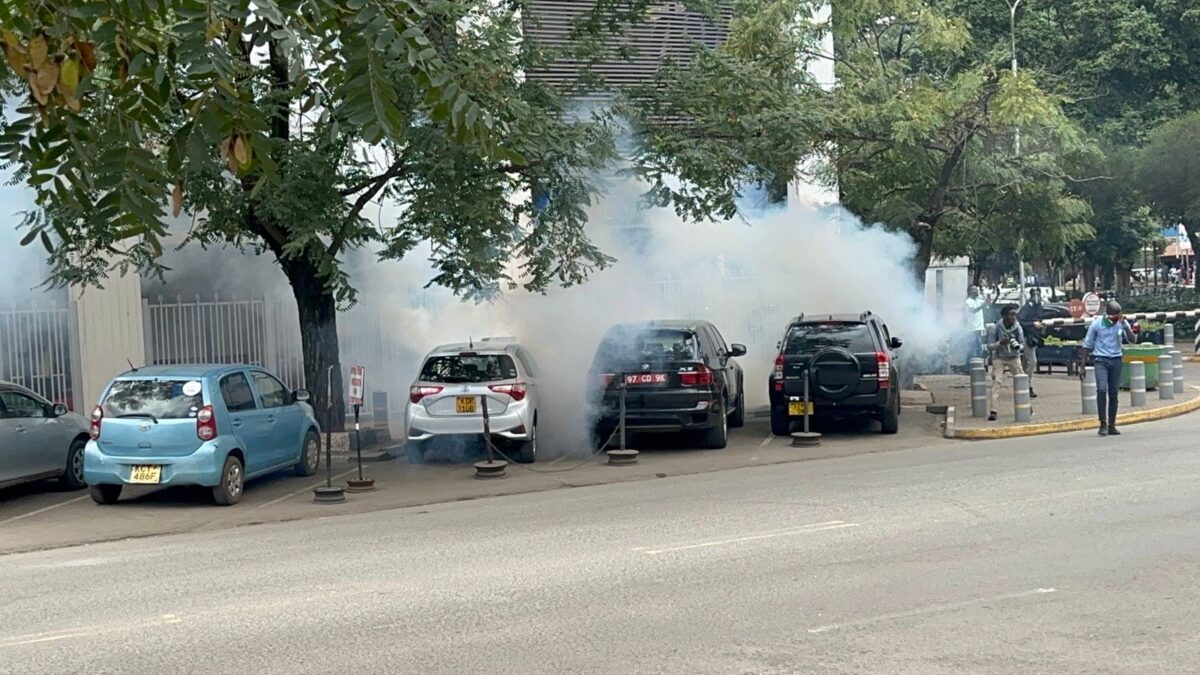
Nairobi – A cloud of teargas hung over Nairobi’s city centre Thursday morning, as police broke up a peaceful protest demanding answers in the death of Albert Ojwang a young teacher and online activist who died last week while in police custody.
Dozens of demonstrators gathered along Moi Avenue, many carrying placards that read #JusticeForOjwang. They sang and chanted as they marched towards Kenyatta Avenue. The crowd had barely covered a few blocks when anti-riot police confronted them, firing teargas and forcing people to scatter.
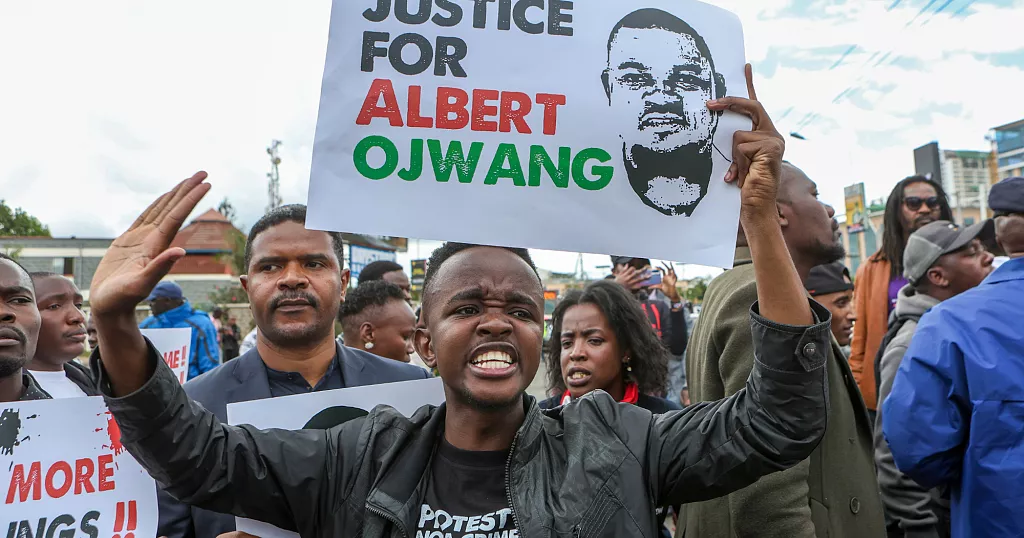
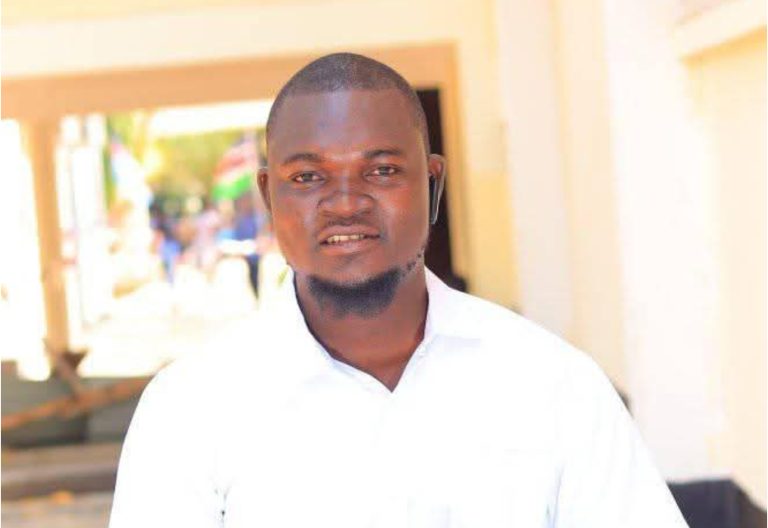
The protest was sparked by public fury over the death of Ojwang, 28, who was arrested on 7 June in Homa Bay and driven over 350 kilometres to Nairobi. He was held at Central Police Station, accused of “false publication” reportedly tied to critical comments he had made on social media about Deputy Inspector General of Police, Eliud Lagat.
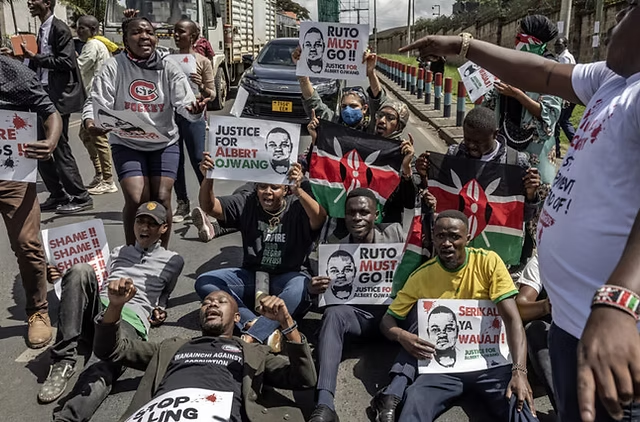
Police initially said Ojwang took his own life in the cell. But that version has quickly unravelled.
A post-mortem, conducted by a panel of five doctors including government pathologist Dr Bernard Midia, revealed injuries that told a far more violent story. According to Dr Midia, Ojwang had suffered “severe head trauma, neck compression, and extensive soft tissue injuries.” The injuries, he said, were inconsistent with suicide. Instead, they suggested a brutal assault.
“This isn’t just about one man,” said Faith Odhiambo, president of the Law Society of Kenya, during an appearance on radio Thursday morning. “It’s about a system that allows this sort of thing to happen. The contradictions in the official story are disturbing. We’re demanding that Deputy IG Lagat recuse himself from the probe as the complainant, his involvement compromises the integrity of the investigation.”
Civil society groups have also joined the outcry.
“We won’t be silenced,” said Hussein Khalid, head of rights group VOCAL Africa. “There’s an effort underway to rewrite what happened. But the public has seen the truth. And we will not rest until justice is done.”
The Director of Criminal Investigations, Mohamed Amin, appeared before the Senate this week and named Benjamin Talam Officer Commanding Station (OCS) at Nairobi Central as the main suspect. Amin said Talam failed to properly book Ojwang and is directly accountable for the detainee’s safety.
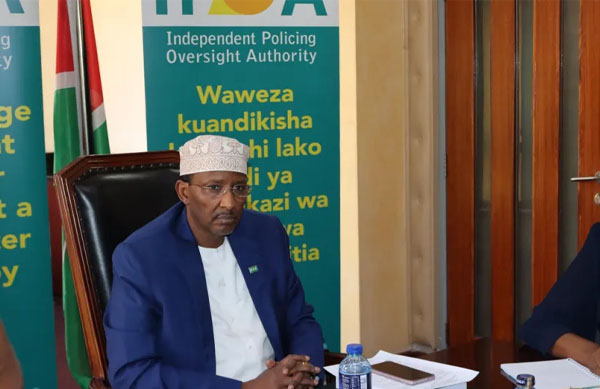
The Independent Policing Oversight Authority (IPOA) is now leading the investigation. So far, no arrests have been announced.
Meanwhile, public frustration continues to grow. Youth-led movements and human rights groups are planning further demonstrations, saying Ojwang’s case reflects deeper flaws in Kenya’s policing culture one marked by impunity, secrecy, and unchecked force.
Ojwang’s friends remember him as a passionate educator who used his online platform to speak truth to power. “He was fearless,” said one colleague, who declined to be named. “And now he’s gone, for doing exactly what so many young Kenyans do every day speak up.”
Calls for reform are growing louder. Whether those in power will listen remains to be seen.
About the Author