KAVALA, Greece — What began as a quiet hike through one of Greece’s most remote forests ended in tragedy when a well-known outdoorsman fell to his death following a bear encounter in the mountains of the northeast.
Christos Stavrianidis, a 63-year-old veteran hiker, died after plunging into an 800-metre ravine in Fraktou forest, near the border with Bulgaria. He and his long-time friend Dimitris Kioroglou had set off Monday morning to revisit the wreckage of a military aircraft remnants of a forgotten chapter of Greek history.
But somewhere deep in the undergrowth, they met something wilder than history.
“I suddenly saw a bear, which charged me,” Kioroglou told news sources . “My dog managed to delay it for a few seconds. I used pepper spray, but it ran towards Christos and knocked him into the ravine.”
Emergency services confirmed the body was recovered on Tuesday and that Stavrianidis was declared dead shortly after arrival at Kavala General Hospital.
A peaceful man, a wild place
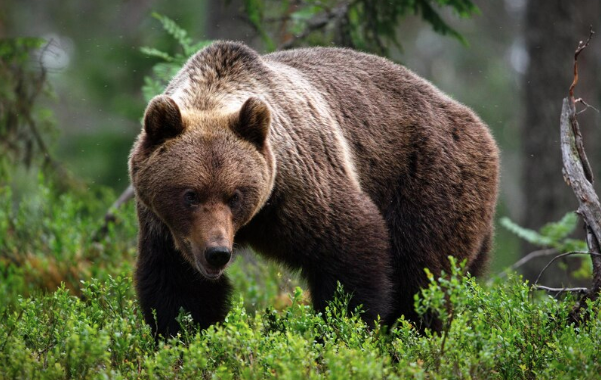
The dense, mountainous forest where the fall occurred is home to a small but growing population of brown bears, according to Greek conservation group Arcturos.
“This is more likely defensive behaviour than an outright attack,” said Panos Stefanou, a spokesman for Arcturos, speaking on state broadcaster ERT. “The bear likely felt threatened and was trying to drive them away.”
Fatal bear encounters in Greece remain rare, but this incident highlights growing tensions between nature conservation and human exploration in rewilded areas. Fraktou forest is part of a protected national park near the Rhodope Mountains, known for its old-growth trees and elusive wildlife.
Local authorities are investigating the circumstances of the fall, though early reports point to no foul play.
Remembering a quiet legacy
Stavrianidis was not just another hiker. He was something of a folk figure in Greek outdoor circles someone who lived for the hills and took joy in sharing them with others.
Last August, he located the wreckage of a Greek Air Force plane lost in the mountains over 70 years ago. The fuselage was still mostly intact, nestled deep in the forest.
“It’s a treasure of nature,” he told a local journalist at the time. “It should be left where it is, for people to see and remember.”
He had been working on mapping out a safer trail to the crash site to make it accessible for history enthusiasts and fellow hikers.
Calls for calm and caution
As news of his death spread, tributes poured in from across Greece’s hiking and conservation communities. Officials urged the public to remain calm and not demonise bears, which are protected under EU environmental regulations.
“We must remember, we are the visitors in their home,” said Stefanou of Arcturos. “When wild animals react, it is usually because they feel cornered.”
Kioroglou, shaken but physically unharmed, said he was still trying to process what happened. “He was my closest friend. He loved these forests,” he said. “That’s where he wanted to be.”
Authorities are not expected to seek the bear involved, stressing instead the need for clear safety guidance and better awareness as human encounters with wildlife increase in Greece’s untamed north.
As the region mourns the loss of a beloved hiker, many are remembering a man who wandered deep into the woods not for danger, but for discovery and who hoped others might follow safely in his footsteps.
About the Author