On a stretch of open ground long associated with protest and public voice, Kenyans will gather again, this time not to demonstrate, but to talk.
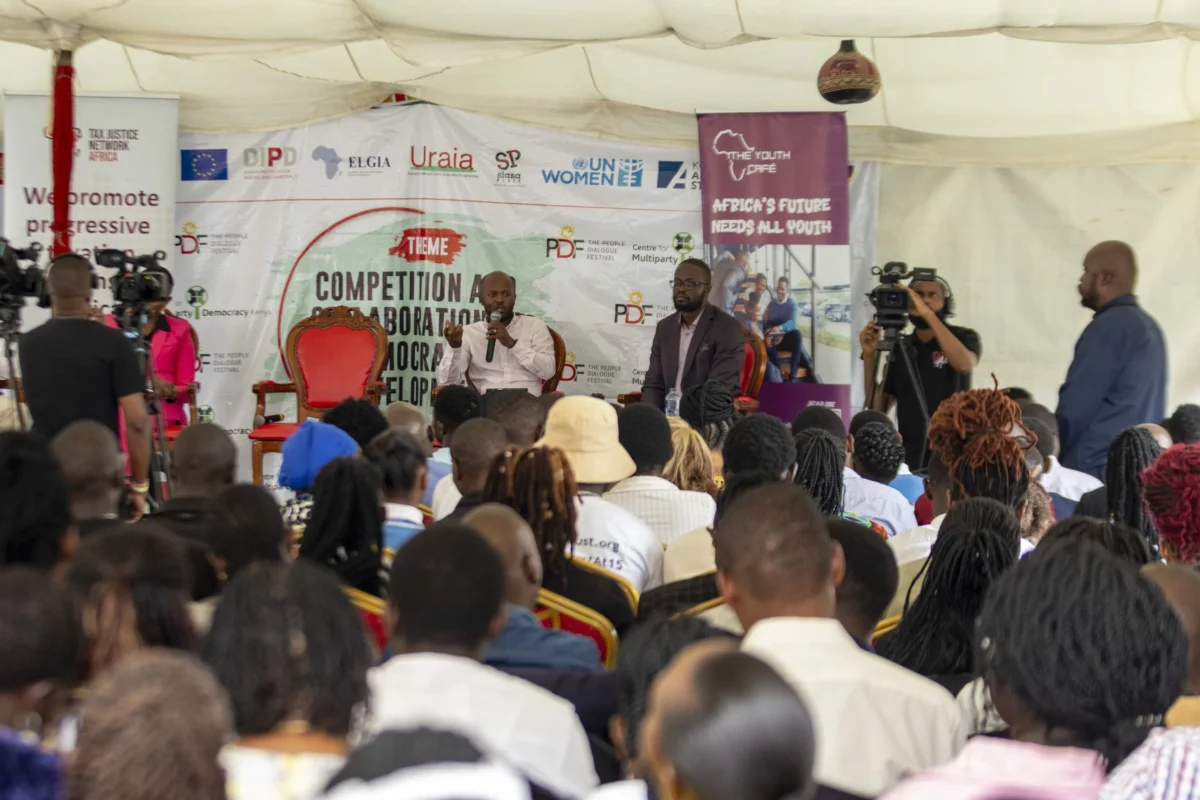
Next week, Uhuru Park in Nairobi will host a three-day public forum designed to bring citizens, leaders and civil society groups into direct conversation about the country’s future. The event, known as the People Dialogue Festival, comes at a moment of heightened political tension and growing public scepticism about governance.
Organizers say the aim is simple, rebuild trust by giving ordinary Kenyans a seat at the table.
“At a time when public trust in political systems is fragile, the festival provides a critical space to bridge the gap between leaders and citizens,” the organizers, led by the Centre for Multiparty Democracy (CMD-Kenya), said in a statement ahead of the gathering.
Now in its seventh year, the festival has grown into one of the country’s most visible platforms for civic engagement. What began in 2019 with fewer than 1,000 participants has expanded rapidly. Last year, more than 9,600 people attended, reflecting what organizers describe as a rising demand for open political dialogue.
This year’s theme: “Building a Collaborative Democracy for Kenya’s Sustainable Future”, speaks to a broader concern. Kenya’s political landscape has seen shifting alliances, public protests and heated debate over economic policy. Many citizens say they feel excluded from decisions that shape their daily lives.
During the three days, discussions will focus on governance, accountability and economic policy. Organizers plan to host at least 20 thematic sessions led by experts and advocates, covering citizen rights, public responsibility and political participation. Another set of sessions will centre on national unity, bringing together political actors and citizens from diverse backgrounds.
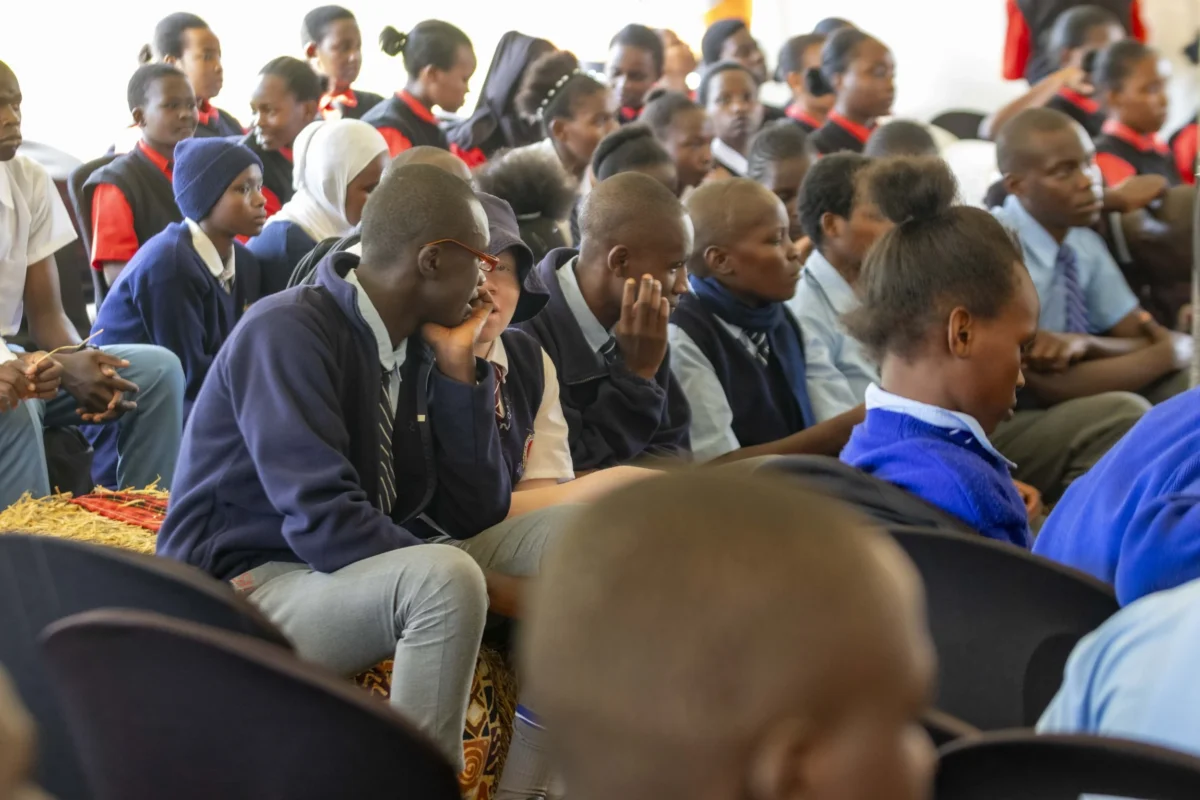
Particular emphasis will be placed on groups often left out of national conversations, young people, women, persons with disabilities and grassroots organizations. Organizers hope to empower at least 2,000 participants from these communities to engage directly with policymakers and civic leaders.
The festival will also serve as a space to generate practical proposals. Participants are expected to develop policy recommendations and seek commitments from key stakeholders to advance governance reforms.
Media organizations, civil society groups and private sector representatives will also play a role, helping to widen the reach of discussions beyond the park itself.
For many, the choice of Uhuru Park carries symbolic weight. The park has long been a gathering place for political expression, from independence-era rallies to modern civic protests. Holding the dialogue there underscores its central purpose, to reconnect leaders and citizens in an open public space.
About the Author