
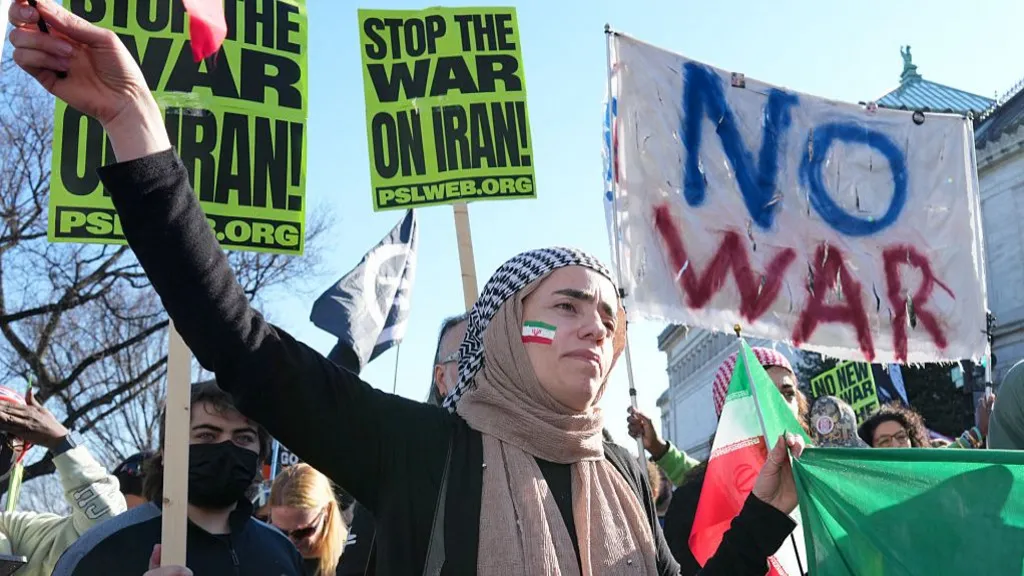
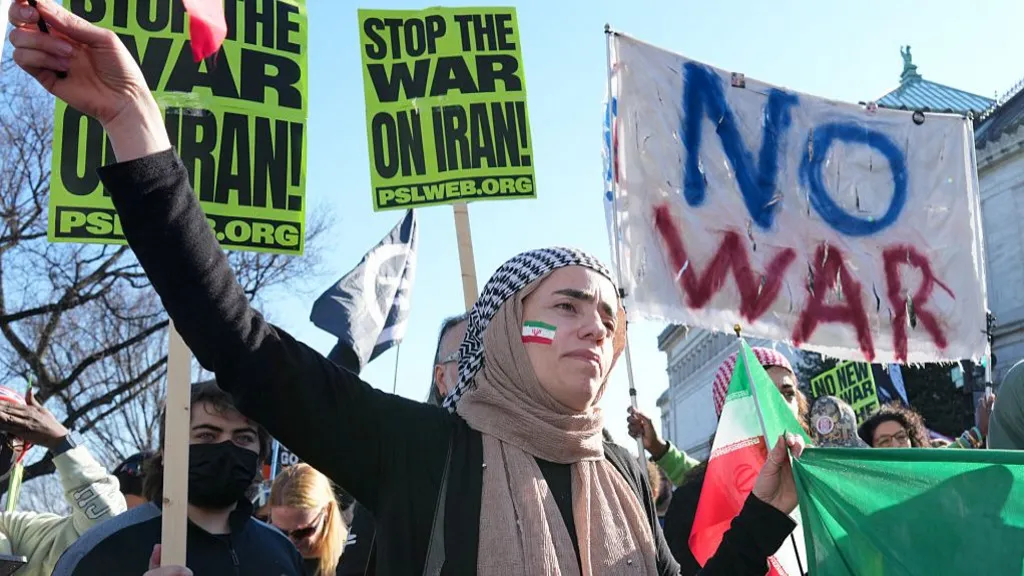
In Los Angeles, they waved flags, danced in the streets and embraced strangers. In New York and Washington, others marched with placards and anger. Across the United States, Iranian-Americans responded to the reported death of Iran’s Supreme Leader with a mix of celebration, grief and deep uncertainty.
“We all have very mixed feelings about what’s happening,” said Fatemeh Shams, an Iranian-American academic who has lived in Philadelphia since leaving Iran in 2009. She described relief at the fall of a leader she blamed for decades of repression, but also unease about the violence surrounding his death.
“The fact that he was killed in less than a moment, after 38 years of corruption and crime,” she said, “makes you realise that justice did not come in the way people had hoped. It didn’t come from within.”
The strongest celebrations unfolded in Los Angeles, home to one of the largest Iranian communities outside Iran. The city is sometimes called “Tehrangeles,” reflecting its deep ties to the diaspora. Police closed streets near federal buildings as crowds gathered, waving Iranian flags and chanting slogans.
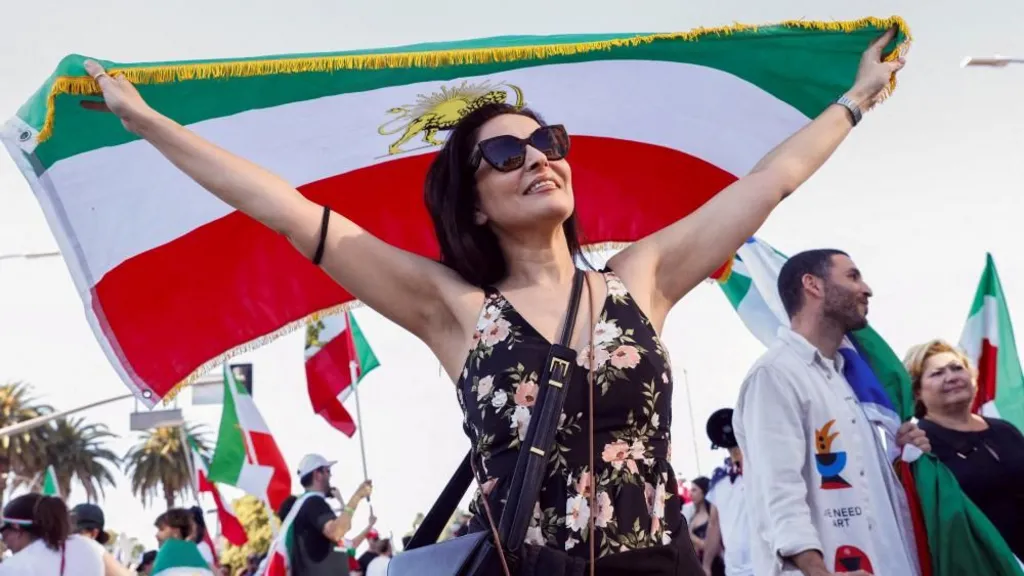
“We’re hoping this leads to regime change,” said Donya Cheshmaghil, whose family fled Iran when she was a child. “We’re grateful for the chance that maybe one day we can go back and see where we came from.”
Her sister, Mona, echoed that sense of possibility, tempered by sorrow. “It’s painful that so many lives were lost,” she said. “But for the first time, it feels like something might change.”
Outside Los Angeles City Hall, hundreds gathered to protest the military strikes that led to the leader’s death. Among them was actress and longtime activist Jane Fonda, who condemned the escalation.
“You may wage this war in our name, but not with our consent,” she told demonstrators, warning of the human cost of military intervention.
The divide reflects a broader struggle within the Iranian diaspora. Some view outside intervention as a necessary step toward freedom. Others fear it could bring more suffering, instability or even prolonged war.
“We don’t call it a war,” said Sherry Yadegari, an Iranian-American in Atlanta. “We call it a rescue operation.”
But critics disagreed sharply. Speaking at a protest in New York City, activist Layan Fuleihan warned that military action could harm ordinary civilians more than political leaders.
“Bombing people does not help them free themselves,” she said. “It often leaves them with fewer choices and greater suffering.”
The political divide has also reached Washington. Lawmakers of Iranian descent offered sharply different responses. Some called for Iranians to seize the opportunity to reshape their country. Others cautioned against deeper American involvement in another Middle East conflict.
For many Iranian-Americans, however, the moment remains deeply personal. Families who fled decades ago now watch events unfold from afar, caught between hope and fear.
“Our country has been waiting for this,” said Meraa Tcheshmaghio, standing among celebrants in Los Angeles. She paused, scanning the crowd. “It’s beautiful. But it’s also uncertain. Nobody knows what comes next.”
That uncertainty may be the only shared feeling across a divided diaspora, a community bound by memory, loss and the fragile hope of return.
About the Author