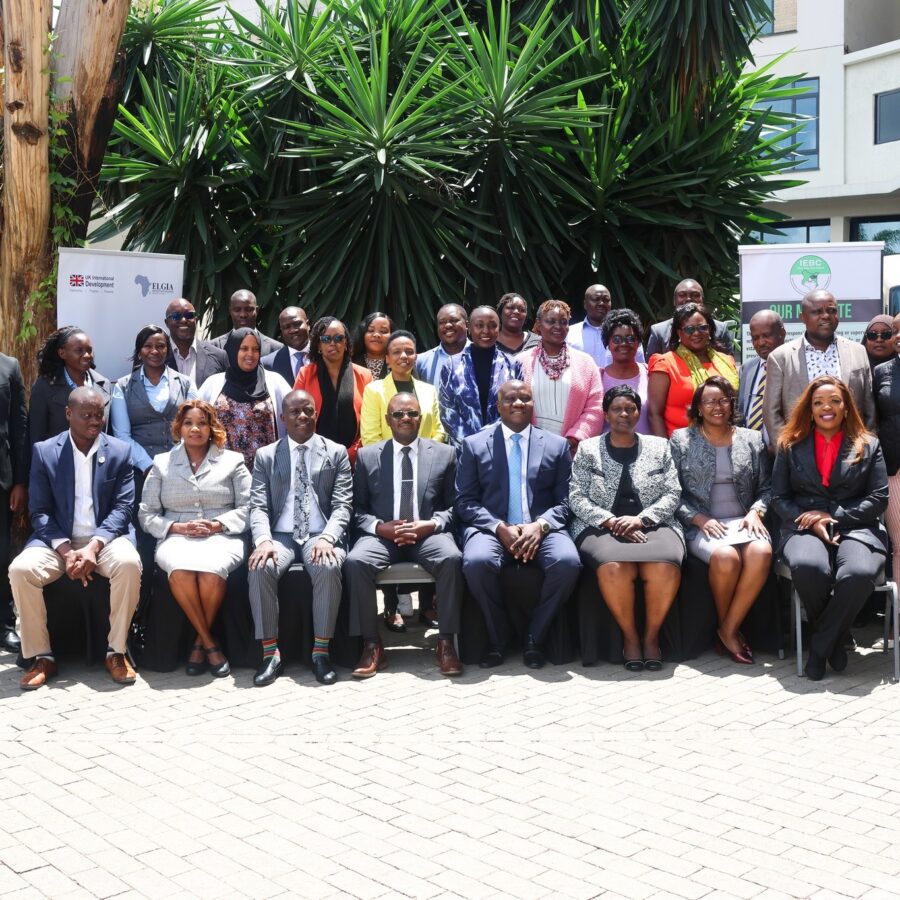
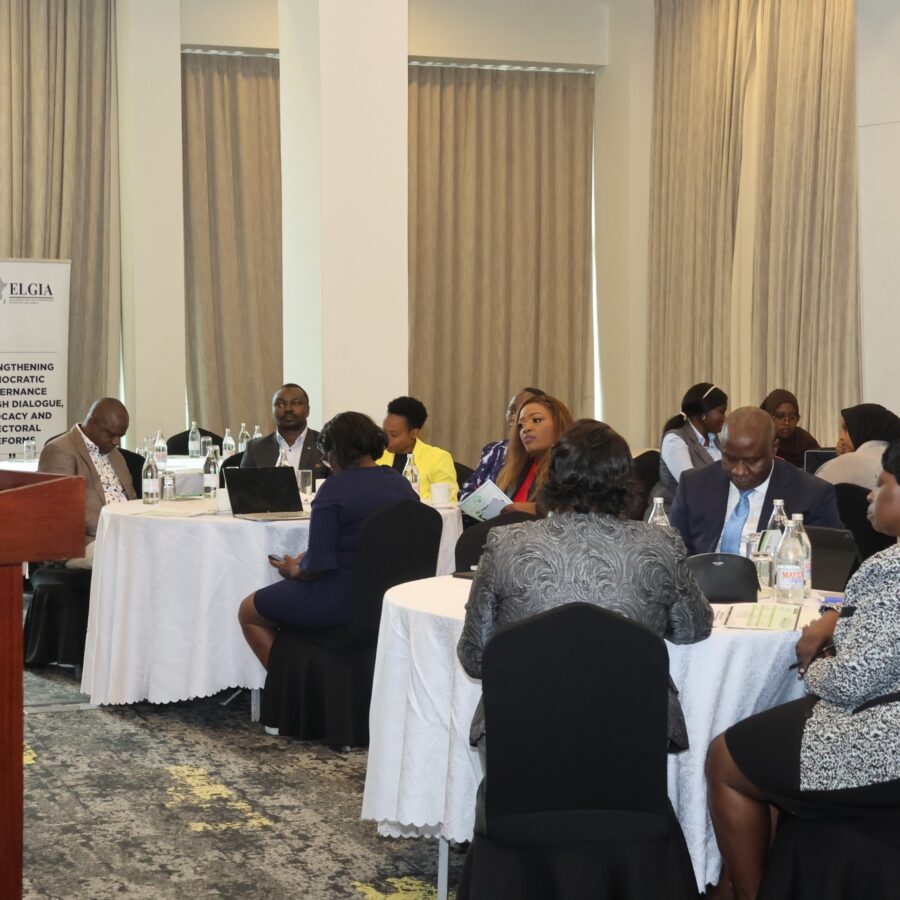
The Independent Electoral and Boundaries Commission (IEBC) convened a workshop with the Kenya Media Sector Working Group to review a memorandum of understanding governing cooperation between the commission and the press ahead of the 2027 General Election.
Opening the session during the workshop convened in Nairobi, Dr. Alutalala Mukhwana, who chairs the commission’s committee on voter education, partnerships and communication, urged journalists to see their role as central to the health of Kenya’s democracy.
“The media helps citizens understand how elections work, help the public understand the work we do. Help them see the role of an electoral administrator. The media is essential in rebuilding public confidence in our democratic process,” he said.
Mr Mukhwana added that public faith in elections has been strained in recent years, and restoring it requires more than assurances from officials. It demands openness and clear information long before polling day.
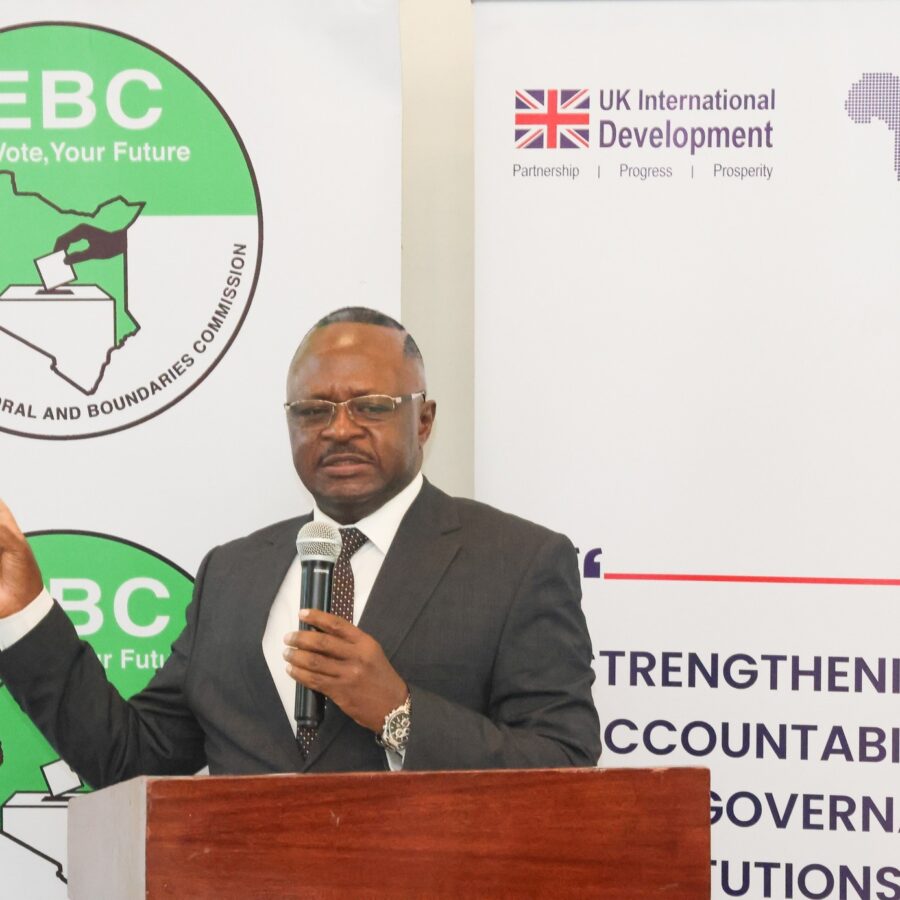
“Elections begin long before people cast their votes, adding that misinformation can easily overshadow verified facts if journalists are not equipped to explain the process clearly,” he noted.
The memorandum under review, he noted, is intended to do more than formalise relations. It sets out a framework to support journalists with information and training while encouraging transparency from the electoral commission.
For Moses Sunkuli, the acting commission secretary and chief executive, the partnership reflects lessons drawn from past polls.
“Elections are not an event. They are a process, pointing to the many stages that shape the credibility of a vote, from voter registration and verification to the transmission of results,” said Sunkuli.
“As we prepare for the 2027 General Election, this engagement is both timely and necessary, facts, narratives and public trust interact in a dynamic information environment, and the partnership between the electoral body and the media is indispensable,” he added.
Media experts attending the workshop also echoed that view. Felix Oduor, executive director of the Electoral Law and Governance Institute for Africa, said cooperation between electoral authorities and journalists has long played a role in strengthening democratic systems.
He pointed to past Kenyan elections as well as examples abroad, including Ghana and the United States, where structured engagement with the media has helped improve transparency.
“Where these partnerships work well, the public receives timely and accurate information,” he said, though he acknowledged that coordination and timing have sometimes proved difficult.
Zubeidah Kananu, president of the Kenya Editors Guild, said the media industry’s diversity, from large television networks to small digital outlets, makes consistent training essential.
“Through this MOU, we ensure journalists are trained, informed, and ready to report elections responsibly, minimising misinformation and conflict,” she said.
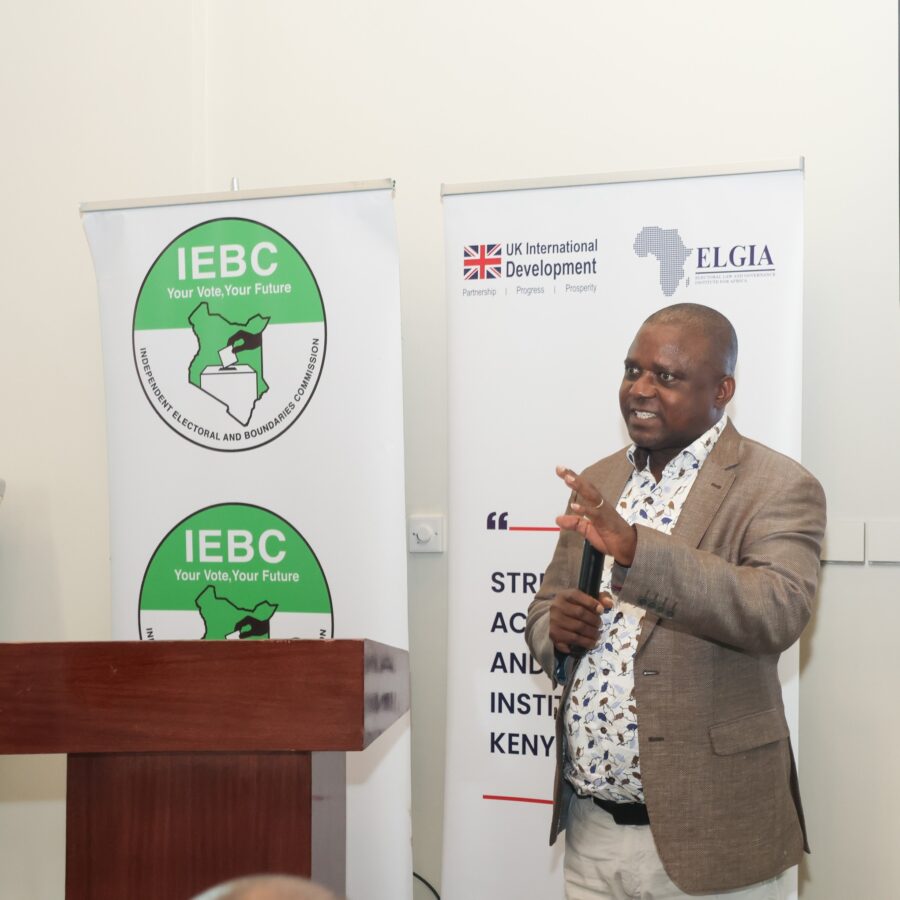
Her colleague Martin Maasai, a trustee at the guild and chair of its Media Freedoms and Ethics Committee, spoke candidly about changes within newsrooms.
Experienced reporters, he said, are leaving the profession at a rapid pace, leaving younger journalists to cover elections for the first time.
“That makes engagement like this vital,” Mr Maasai said. “Journalists do what they do precisely because they care about this country.”
He added that understanding the full electoral process, from voter registration to the declaration of results, helps reporters avoid errors and explain complex procedures to the public.
Training has already begun in some areas. Victor Bwire, director of media training and development at the Media Council of Kenya, said the council and the electoral commission have been working together to prepare journalists for election coverage.
Kenya’s media landscape is vast, he said, with hundreds of radio stations, television channels and digital platforms competing to break news.
“That scale makes standardised training and clear guidelines essential,” Bwire said.
He also warned that the rise of artificial intelligence, social media and user-generated content presents new challenges for election reporting. Updated ethical guidelines and a new introductory course on media practice aim to ensure both journalists and content creators understand professional standards.
Beyond training, he stressed the importance of journalist safety and coordinated reporting, both of which play a role in maintaining public trust.
By the close of the workshop, participants agreed that the partnership between the electoral commission and the media would be crucial as the country moves toward the 2027 polls.
About the Author