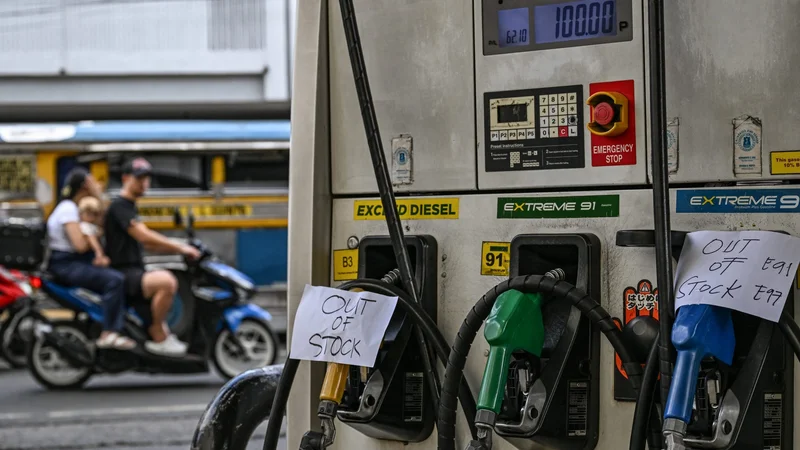
Governments across parts of Asia are urging businesses and public institutions to adopt remote work arrangements as the ongoing U.S.-Israel–Iran conflict begins to disrupt global energy supplies and strain regional fuel reserves.
The conflict in the Middle East escalated after the U.S. and Israeli strikes on Iran, which triggered significant geopolitical tensions and led to the near-total closure of the Strait of Hormuz, one of the world’s most critical oil transit routes.
The disruption has already begun to affect how governments manage transportation, fuel consumption, and workplace operations across the region.
Vietnam Encourages Remote Work
In Vietnam, report indicate the Vietnam Ministry of Industry and Trade on March 10 advised employers to allow employees to work from home where possible.
The measure is aimed at reducing fuel consumption and easing transportation demand amid growing concerns about energy shortages.
Vietnam is particularly vulnerable due to its limited oil reserves, with current supplies estimated to last less than 20 days if disruptions persist.
Authorities believe that encouraging remote work could help slow the rate of fuel consumption while the country monitors the evolving global energy situation.
Pakistan Introduces Four-Day Workweek
In Pakistan, Prime Minister Shehbaz Sharif announced a four-day workweek for all government offices as part of emergency measures to reduce fuel usage.
Sharif also directed both public and private institutions, except those in agriculture, industry, and other essential services, to ensure that at least half of their workforce operates remotely.
The move is intended to reduce commuting and transportation fuel demand while maintaining government and business operations.
Thailand and Philippines Promote Flexible Work
Other Asian nations are also adjusting workplace practices in response to the fuel pressure.
In Thailand, authorities have encouraged flexible working arrangements across the public sector. Civil servants who must report to the office have been instructed to adopt energy-saving practices.
These include setting office air conditioners to 26 degrees Celsius and relaxing strict formal dress codes to help workers cope with the heat while reducing energy consumption.
Similarly, the government of the Philippines has begun promoting flexible work schedules within the public sector as part of broader energy conservation strategies.
Global Energy Shock Ripples Through Asia
The closure of the Strait of Hormuz through which roughly a fifth of the world’s oil supply typically passes, has raised fears of prolonged energy shocks if the conflict continues.
As governments scramble to preserve fuel supplies, workplace structures across Asia are quickly evolving, with remote work and flexible schedules emerging as key tools to manage the unfolding crisis.
Experts warn that if the geopolitical standoff persists, more countries could adopt similar policies to reduce transportation demand and cushion their economies from rising energy costs.
About the Author