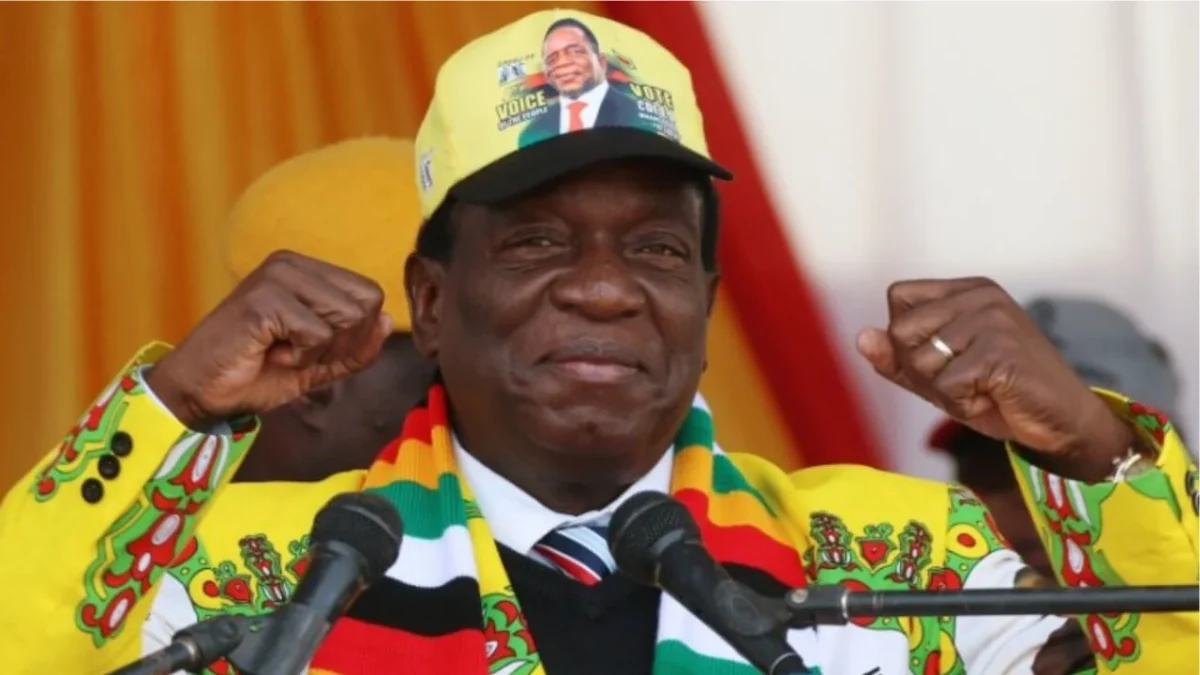
Zimbabwe’s government has taken a decisive step that could keep President Emmerson Mnangagwa in office until 2030, approving draft constitutional changes that would lengthen Presidential terms and alter how the country elects its leader.
The proposed amendments, endorsed by cabinet this week, would extend the current five-year Presidential term to seven years. If passed, the changes could allow President Mnangagwa, 83, to remain in power beyond 2028, when he is presently required to step down after completing his second five-year term.
Justice Minister Ziyambi Ziyambi told reporters that the draft bill would now be transmitted to the Speaker of Parliament and published in the official gazette before debate begins. A cabinet statement said the amendments were intended to “enhance political stability and policy continuity to allow development programmes to be implemented to completion”.
Beyond term limits, the bill proposes a significant shift in Zimbabwe’s electoral system. It would allow the President to be elected by Parliament rather than by direct popular vote. It also seeks to expand the Senate from 80 to 90 seats, granting the president the power to appoint ten additional senators.
For critics, the proposals are less about stability than survival.
President Mnangagwa rose to power in 2017 after the military removed Robert Mugabe, who had ruled Zimbabwe for nearly four decades. Since then, the President has faced persistent accusations from opposition leaders and rights groups of tolerating corruption and curbing dissent, charges his administration denies.
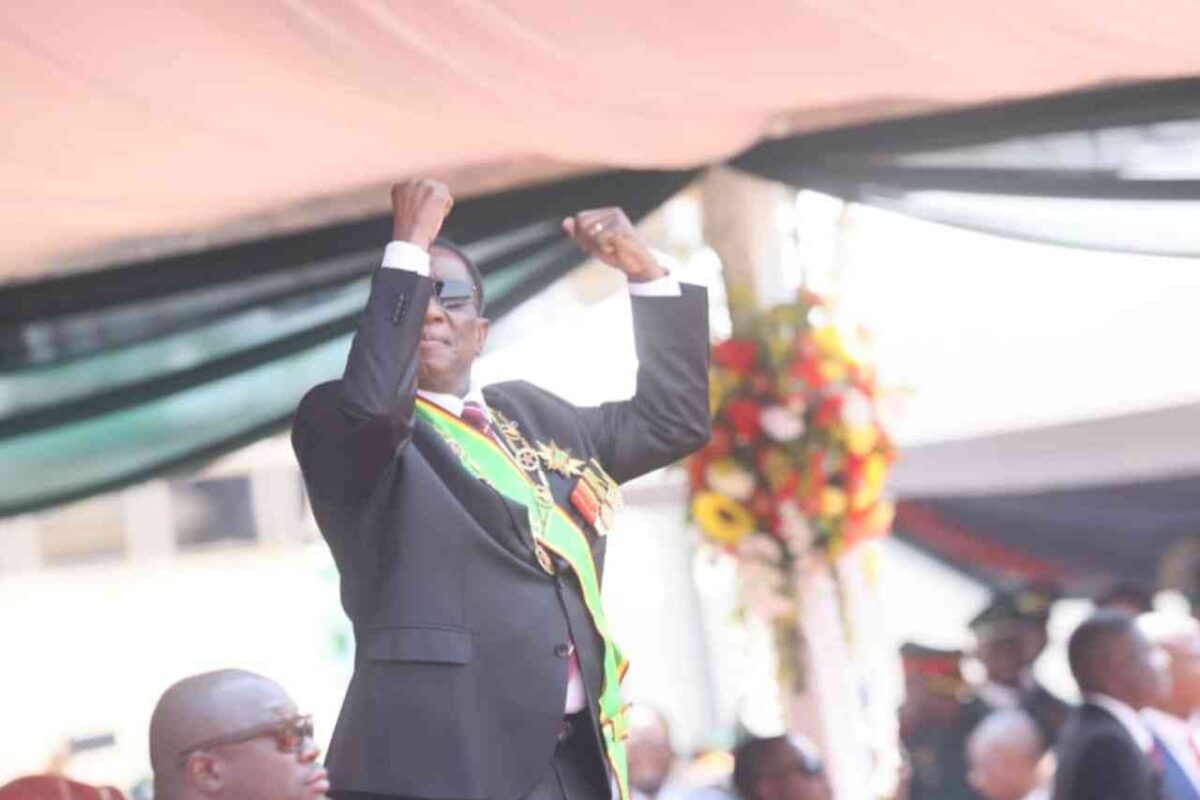
The governing ZANU-PF party, which has held power since independence in 1980, commands a two-thirds majority in the lower house of Parliament and maintains strong influence in the Senate. That numerical advantage could ease the passage of constitutional amendments.
Still, opposition figures argue that any change effectively extending a sitting president’s tenure should go to a national referendum.
Jameson Timba, a senior figure in the fragmented opposition, described the cabinet’s decision as “politically destabilising”. In a statement, he said a coalition known as the Defend the Constitution Platform would consult lawyers and engage regional and international partners to challenge the move.
Another opposition politician, David Coltart, said any amendment that prolongs an incumbent’s stay in office “should be subjected to a referendum”. He added: “They know that if that happens, they will fail, so they will do all in their power to prevent a referendum from happening.”
ZANU-PF insiders have, for months, promoted what they call the “2030 agenda”, signalling a desire to extend Mr Mnangagwa’s leadership. The president himself has publicly maintained that he intends to respect constitutional limits, though he has not directly addressed the specifics of the proposed amendments.
About the Author