
The chamber of Kenya’s National Assembly is rarely short of confrontation. But this week, the dispute spilled beyond its walls and into the courts.
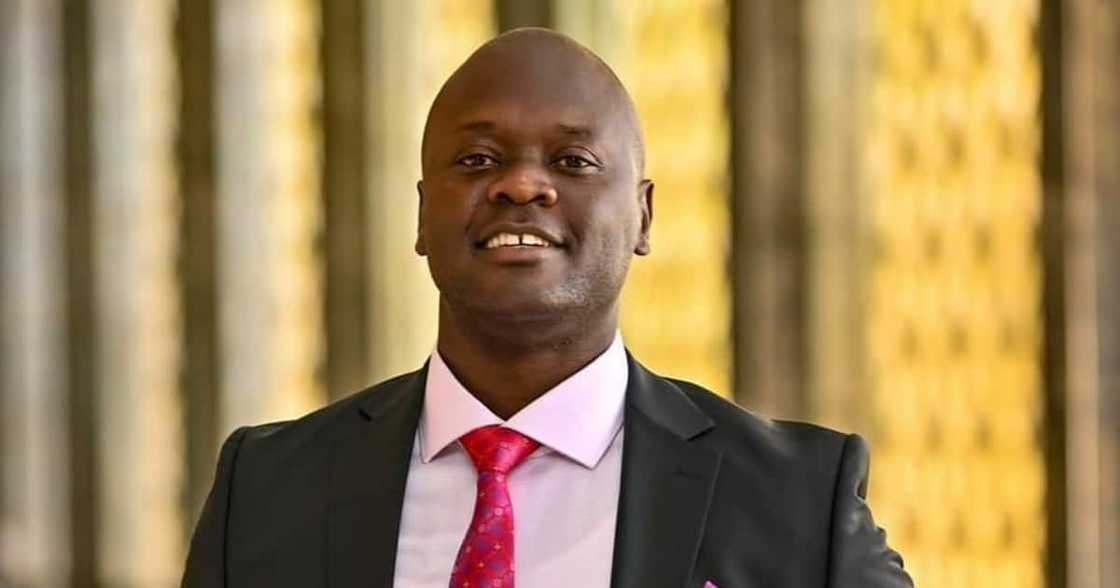
Anthony Kibagendi, a first-term MP representing Kitutu Chache South, has vowed to challenge his suspension from Parliament after Speaker Moses Wetang’ula barred him indefinitely over comments made in a televised interview. The decision, delivered on Tuesday, has ignited debate about discipline, free expression and the limits of criticism within Kenya’s legislature.
The Speaker’s ruling followed remarks Mr Kibagendi made during an appearance on Citizen TV, where he questioned whether Parliament was acting independently. He warned that the institution risked losing its autonomy, comments that drew swift and sharp rebuke from House leadership.
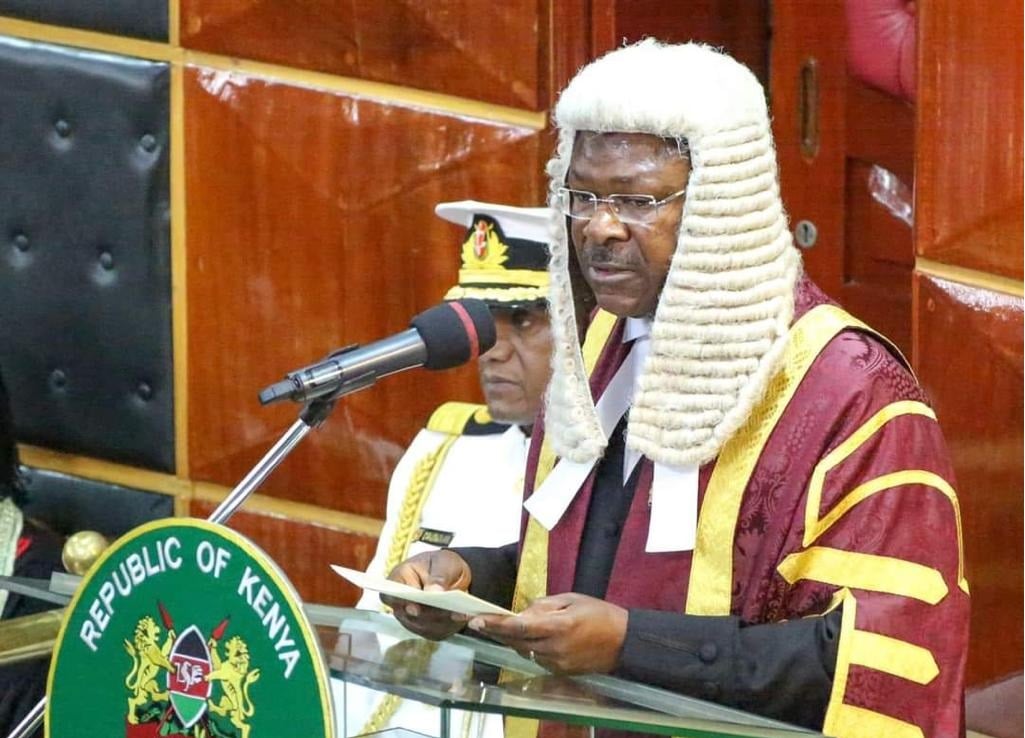
Addressing lawmakers, Mr Wetang’ula accused the MP of undermining the dignity of Parliament.
“The moment you say the House is auctioned, you are part of the auctioned material,” he said. “As long as I am your Speaker, I will protect your dignity and the dignity of the House.”
The Speaker ordered Mr Kibagendi’s immediate removal from the chamber and its committees, and barred him from accessing parliamentary precincts until he submits what he described as a “properly worded apology”. Without such an apology, Mr Wetang’ula said, the MP would remain excluded from legislative business.
Mr Kibagendi, however, has refused to back down. Speaking shortly after the decision, he said he had instructed his lawyers to file an urgent court application to overturn the suspension.
“I have instructed my lawyers to prepare an application to quash the decision of the Speaker and return me to the House,” he said. He argued that his remarks did not violate parliamentary rules or any written law.
The MP also questioned the process behind his removal. He said disciplinary concerns should have been referred to Parliament’s Powers and Privileges Committee, the body tasked with handling such matters. Skipping that process, he suggested, raised concerns about fairness and due process.
Beyond personal consequences, Mr Kibagendi warned that his constituents could suffer. His exclusion from parliamentary proceedings means he cannot participate in debates, vote on legislation or formally represent the interests of voters from his Kisii County constituency.
The clash highlights a familiar tension in Kenya’s politics. Parliament prides itself on being a forum for open debate. Yet it also enforces strict rules intended to preserve order and institutional respect. Speakers have long exercised wide authority to discipline members deemed to have crossed the line.
For Mr Wetang’ula, the suspension appears intended to reinforce those boundaries. For Mr Kibagendi, it has become a test of principle and, now, of law.
The courts will ultimately decide whether the Speaker acted within his powers. Until then, one seat in Kenya’s National Assembly remains empty, its occupant waiting outside the chamber he was elected to serve.
About the Author