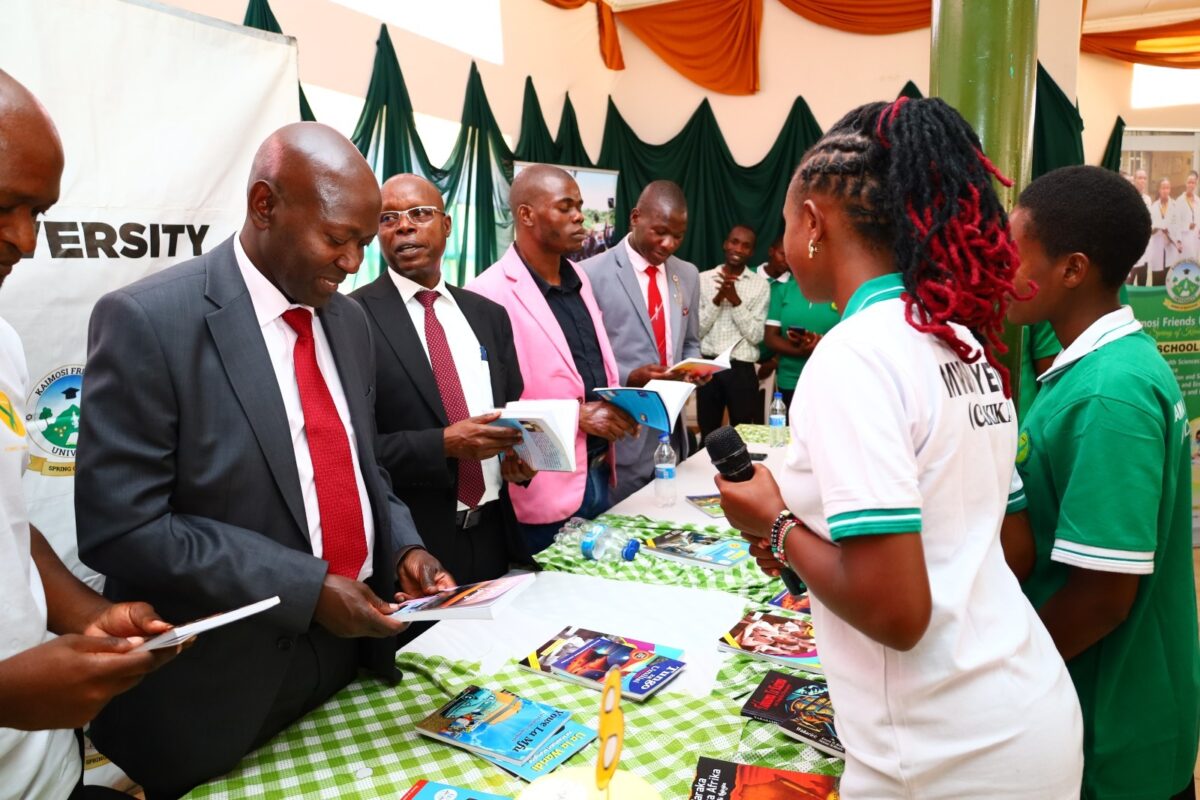
Concerns over declining enthusiasm for Kiswahili among Gen-Z students took center stage as learners at Kaimosi Friends University called for renewed pride and active use of the language, warning that overreliance on slang, mixed languages, and exclusive English communication risks weakening cultural identity and limiting future opportunities linked to the growing regional and international importance of Kiswahili.
The call emerged during celebrations marking eight years of Chama Cha Kiswahili Kaimosi (CHAKIKA), a student association at the university located in Vihiga County. Bringing together young Swahili language enthusiasts, the once modest student club has grown into a vibrant hub of Kiswahili scholarship, creativity, and cultural expression, now boasting over 650 members and earning the institution recognition in Swahili language activism.
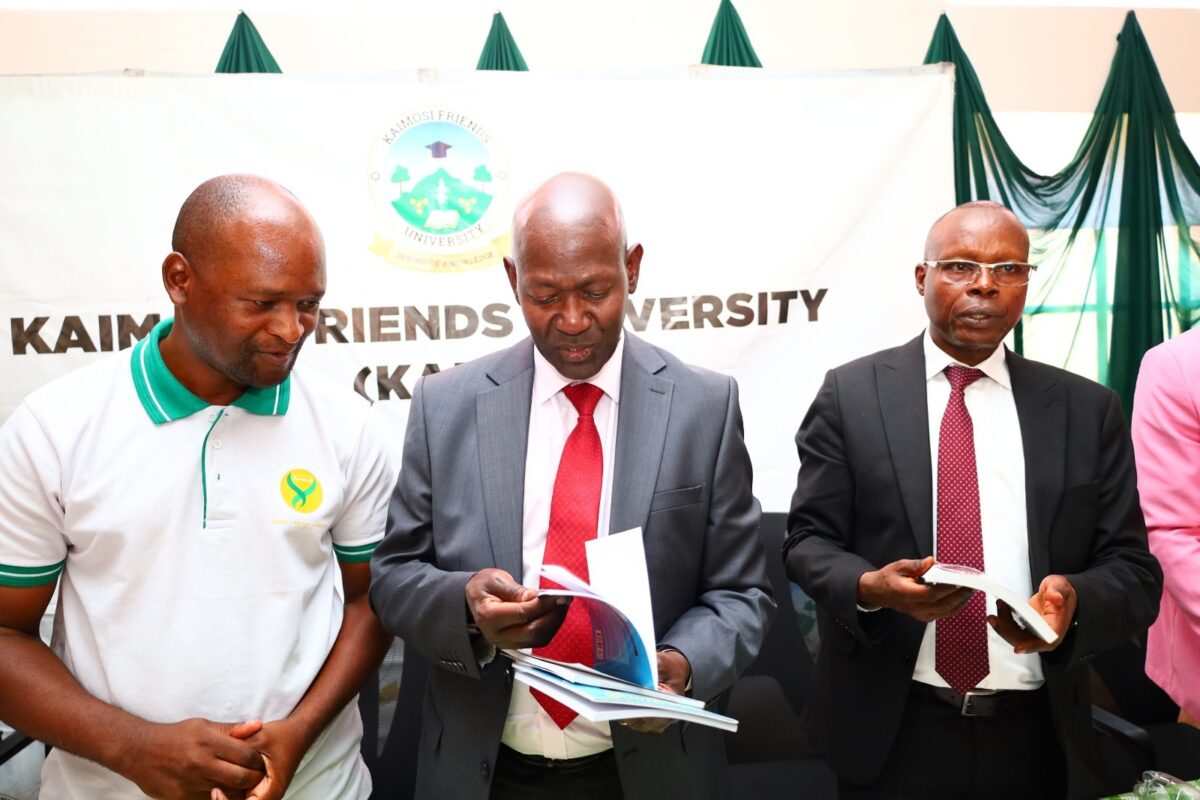
Speaking during the anniversary celebration, Vice-Chancellor Prof. Peter Mwita reaffirmed the institution’s commitment to strengthening passion for Kiswahili and creative expression, announcing KSh 50,000 support for CHAKIKA to enhance academic and cultural programs. He also pledged institutional support for student conferences, acquisition of books authored by students, and increased use of Kiswahili in official university communication.
In his address, Prof. Mwita challenged students to champion Kiswahili as a modern language of innovation and opportunity, stating:
“Kiswahili is not merely a language; it is a foundation of our national identity and unity. As a university, we must nurture research, creativity, and writing in Kiswahili while ensuring our students’ talents find platforms to shine in today’s world.”
He further urged students to submit well-structured proposals to university management to secure additional institutional support for Kiswahili initiatives.
Deputy Vice-Chancellor Prof. Kipkurgat encouraged learners to maintain high standards and seize the many academic and professional opportunities available to Kiswahili scholars, emphasizing that well-organized initiatives would receive management backing.
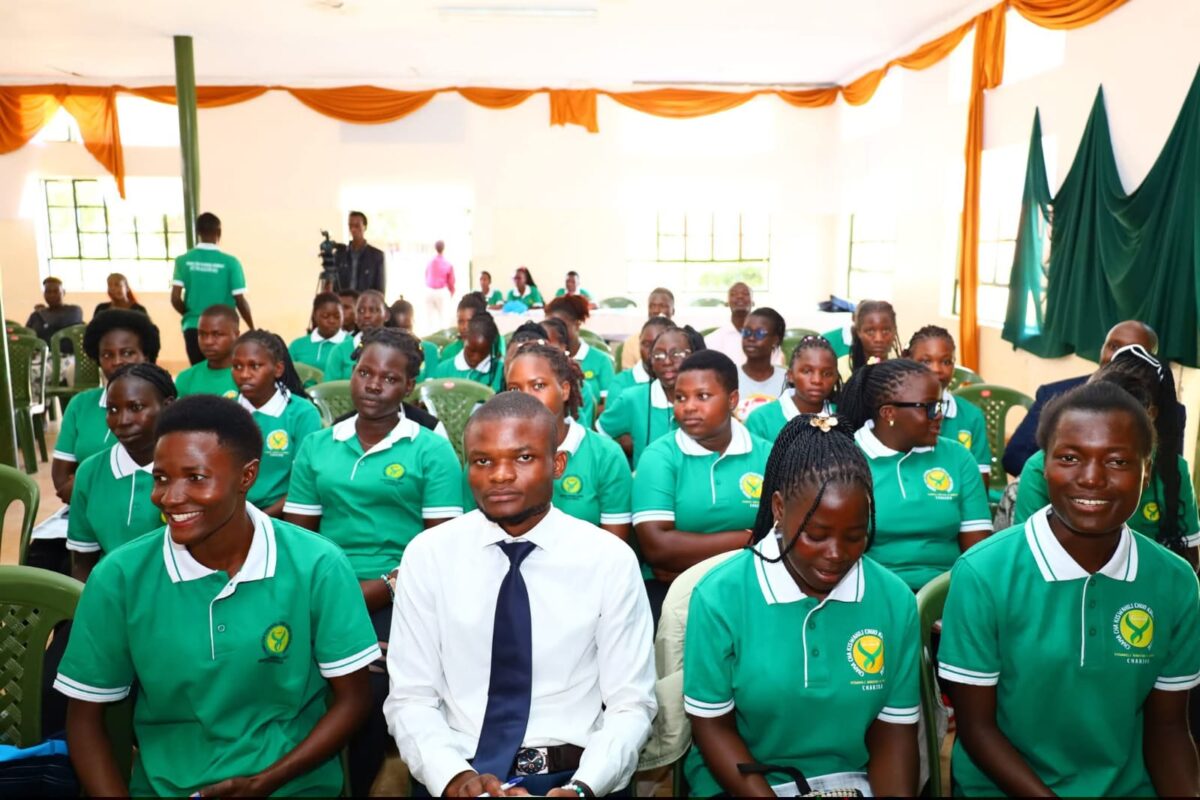
Students who spoke during the celebrations emphasized that Kiswahili must evolve alongside technology, digital storytelling, music, film, and online content creation to resonate with younger generations. They urged their peers to view the language not as outdated, but as a powerful tool for regional integration, employment, creativity, and cultural pride. The CHAKIKA chairperson, Priscilla Khanali, echoed the call for student-driven initiatives that position Kiswahili at the center of campus cultural life.
About the Author