Kenya has taken a decisive step in its fight against HIV, receiving the first shipment of a long-acting prevention drug that needs to be administered just twice a year.
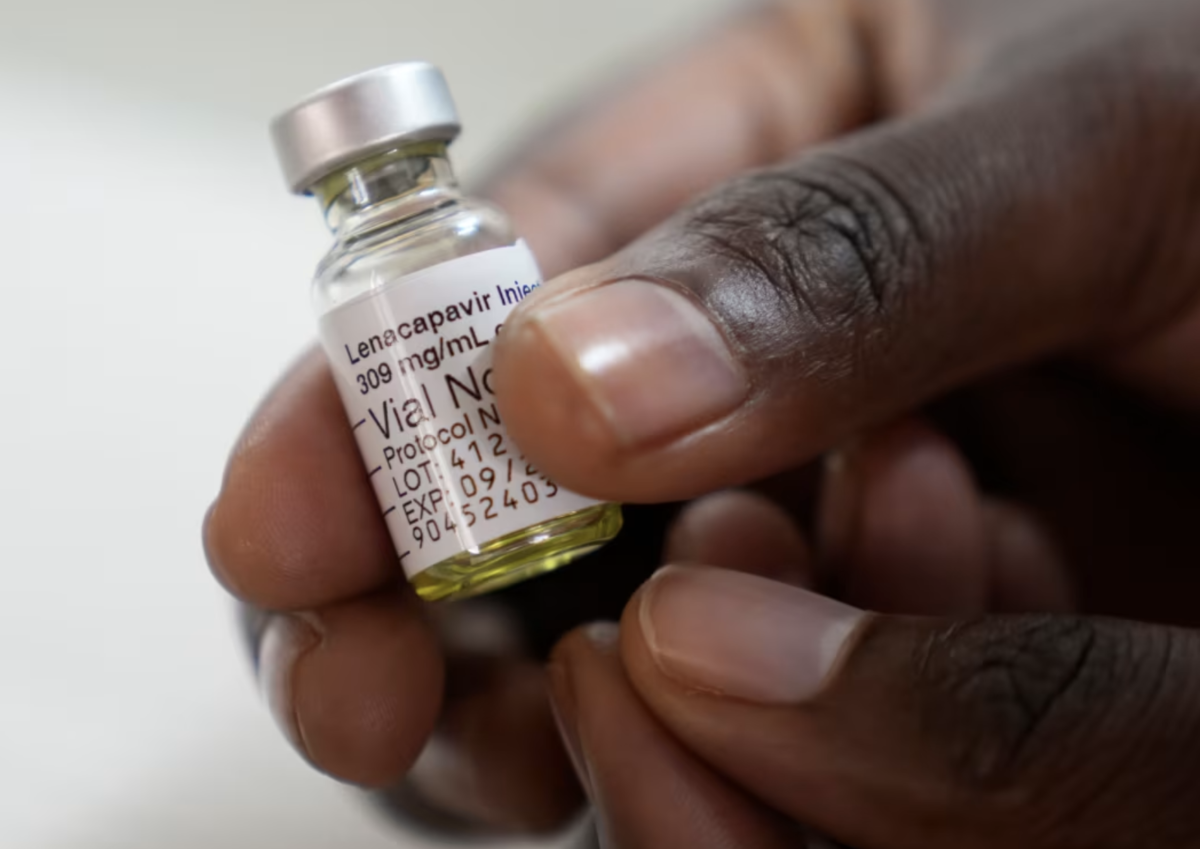
The arrival of 21,000 starter doses of Lenacapavir places Kenya among the first countries in Africa to deploy the injectable medicine. Health officials say the rollout could change prevention strategies in communities that continue to carry the heaviest burden of new infections.
Unlike daily oral PrEP pills, which rely on strict routine, Lenacapavir is given as an injection every six months. It works by stopping the virus from establishing itself in the body. It is intended for people who are HIV-negative but at higher risk of exposure. It is not a cure. Nor is it a vaccine.
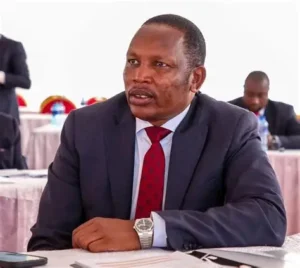
“This medicine is for those who are HIV negative,” said Aden Duale, Kenya’s health cabinet secretary. “It must be clear that Lenacapavir is neither a vaccine nor a cure. Those already living with HIV must continue their treatment.”
The government plans to distribute the drug through the Kenya Medical Supplies Agency, with close monitoring by national HIV programmes. The first phase will target 15 counties, including Siaya, Homa Bay, Nairobi and Mombasa, where infection rates remain higher than the national average.
Health officials say another 12,000 doses are expected by April. These will ensure that those who begin the treatment can stay on schedule. Over time, authorities hope to expand access nationwide.
The drug’s appeal lies in its simplicity. For years, daily PrEP pills have been effective but difficult to maintain. Missed doses reduce protection. In contrast, a twice-yearly injection offers longer coverage with fewer interruptions.
Global health agencies have backed the drug after rigorous testing. The United States Food and Drug Administration approved Lenacapavir for prevention in 2025. Soon after, the World Health Organization endorsed it in updated guidelines, citing strong evidence that it reduces the risk of infection.
Kenya’s early access has been supported by the Global Fund, which negotiated supply and funding. The estimated cost is about Sh7,800 per patient each year during the initial phase.
Still, questions remain about long-term affordability and access. Health experts say sustained funding will be essential if the country hopes to scale up the programme beyond donor support. The government has said it is preparing a financing plan to ensure continuity.
Kenya has made progress in reducing HIV infections over the past decade, according to national health data. But new infections persist, especially among young people and vulnerable communities.
For many, the arrival of Lenacapavir signals cautious optimism. It does not end the epidemic. But it offers a new tool, one that could make prevention simpler, more reliable, and within reach for thousands who need it most.
About the Author