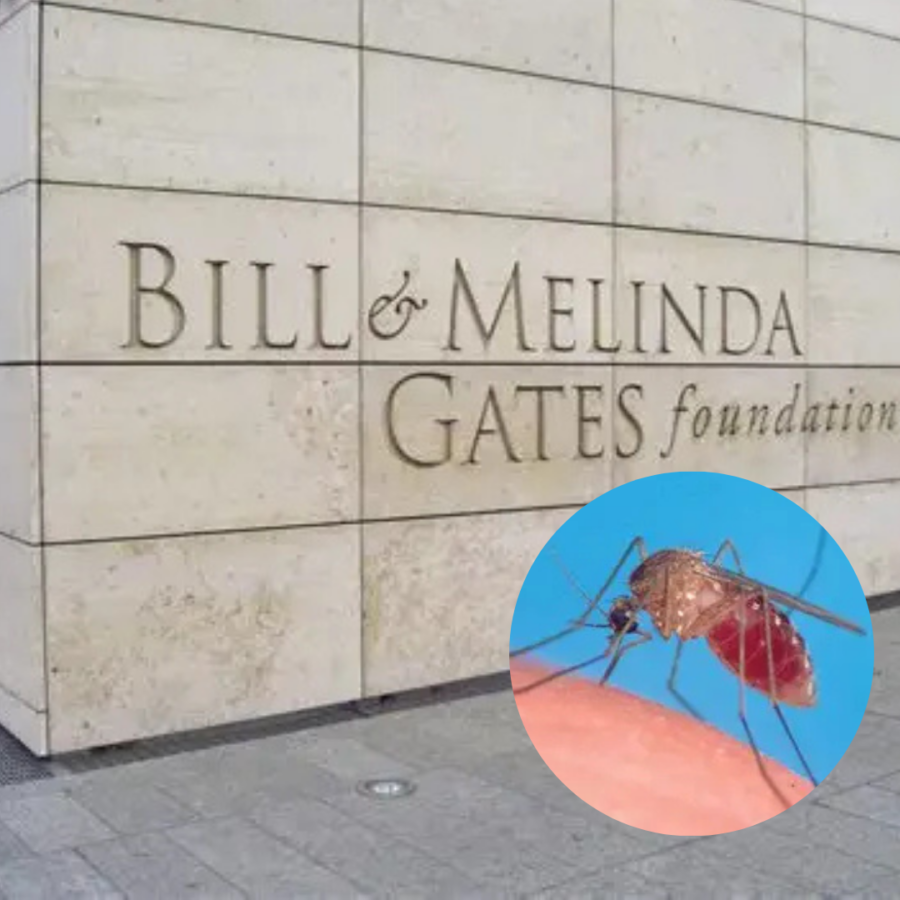
The Gates Foundation has moved to calm a growing storm online, firmly rejecting claims that its founder, Bill Gates, is behind the alleged release of “modified mosquitoes” in Kenya.
The denial follows a wave of social media posts accusing the foundation of secretly flooding Nairobi and other areas with laboratory-bred insects under the guise of malaria control. The allegations gained traction after Paul Muite, a senior counsel and former legislator, raised the issue publicly on X.
“Our capital city Nairobi is now flooded with mosquitoes released from your laboratories,” Mr Muite wrote, tagging the foundation. He went on to suggest that the insects were harming children and the elderly.
In a brief but direct response, the Gates Foundation dismissed the claims as false.
“The Gates Foundation is aware of social media posts claiming that we release mosquitoes in Kenya. This claim is false,” the organisation said in a statement.

“The Gates Foundation does not release mosquitoes, operate laboratories that do so, or run vector-control activities in Nairobi or anywhere else,” the statement said.
The foundation stressed that it does not carry out field operations in Kenya and does not bypass national authorities. Any work it supports, it said, is guided by Kenyan priorities and local regulation.
“In Kenya, malaria prevention and control efforts are led by Kenyan authorities and institutions, in accordance with national laws and regulatory oversight,” the statement added. “The foundation supports Kenyan-led priorities transparently and responsibly.”
The online debate reflects wider public anxiety around public health interventions, especially those linked to new science or foreign funding. In recent days, some Kenyans have shared personal accounts of increased mosquito presence, linking it without evidence to rumours of deliberate release.
Health officials note that malaria control in Kenya is coordinated by the Ministry of Health through the National Malaria Control Programme. Current measures include the distribution of long-lasting insecticide-treated nets and indoor residual spraying, both long-established tools in disease prevention.
The Gates Foundation does fund global research into mosquito-borne diseases, including support for international initiatives such as Target Malaria and the World Mosquito Program. However, it says such projects operate under strict local approval and are run by national researchers, not the foundation itself.
Malaria remains a major health burden in parts of Kenya, particularly in western regions and along the coast. Experts warn that misinformation, especially online, risks undermining trust in proven public health measures.
About the Author