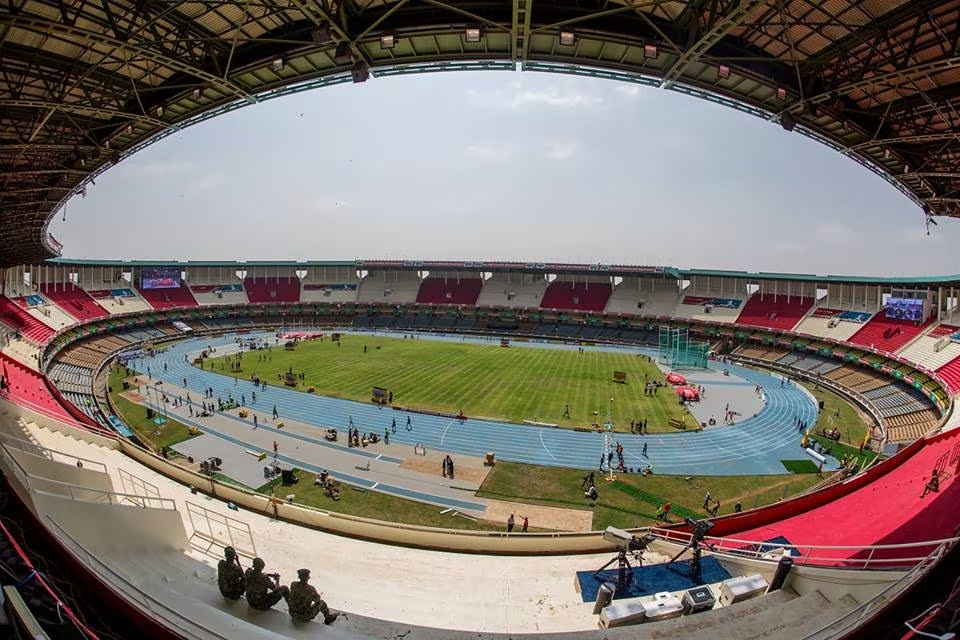
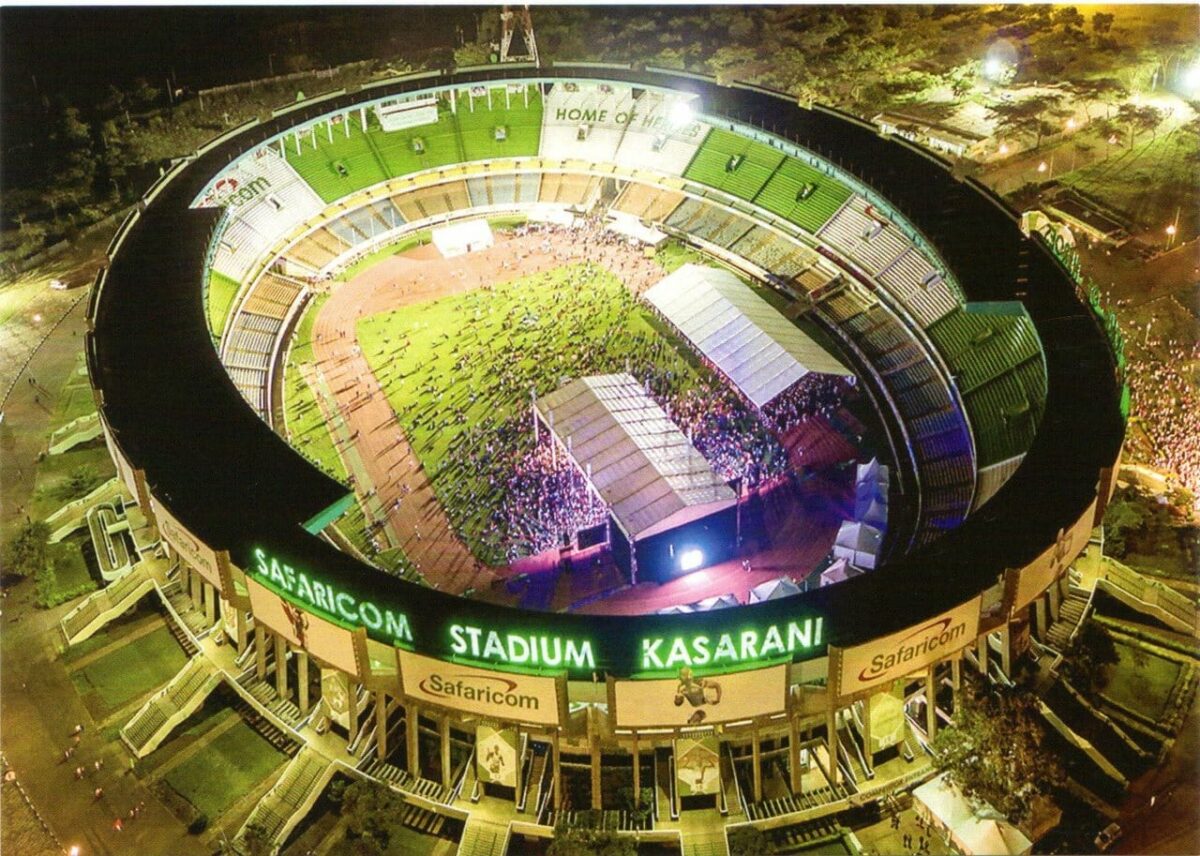
On most weekends, the roar inside Kasarani Stadium carries across Nairobi. Fans sing. Vendors weave through crowds. Players chase points and pride. But now the gates are closed. The silence signals a different kind of contest, one that could define Kenyan football for years.
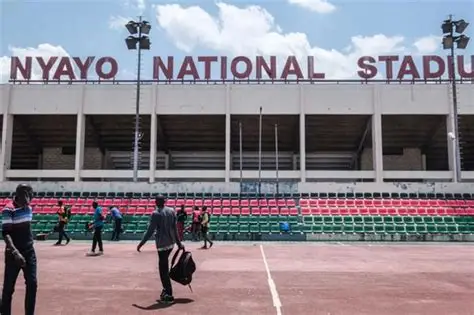
Kenya’s domestic football season has been thrown into uncertainty after the Football Kenya Federation confirmed the temporary closure of major stadiums, including Kasarani and Nyayo National Stadium. The shutdown is to allow inspectors from the Confederation of African Football to assess whether the country is ready to co-host the Africa Cup of Nations in 2027.
The inspections are part of a wider effort involving Kenya, Uganda and Tanzania, which are preparing to jointly host the continent’s biggest football event. If successful, it would mark a historic moment for East Africa and bring the tournament back to the region after decades away.
But for local clubs and players, the ambition comes with immediate disruption.
“I wish to inform stakeholders, clubs, players, fans and the general public on the current status of key stadiums and training facilities across the country,” said Hussein Mohammed, president of the Football Kenya Federation, in a statement. He acknowledged the closures would affect domestic competitions and training schedules.
CAF officials are reviewing everything from pitch quality to safety systems, broadcast facilities and medical readiness. The aim is to ensure venues meet the strict standards required for a modern international tournament.
The closures extend beyond match venues. Training grounds, including Ulinzi Sports Complex and the Kenya Academy of Sports, are also under review. The process leaves clubs scrambling for alternatives. Fixtures must be moved. Training routines must change. Smaller teams, already stretched, face fresh costs.
Privately, some club officials worry about lost revenue and tighter schedules. Matchday income is often essential, especially for teams outside the top tier. Compressed fixtures could also increase the physical strain on players.
Still, football authorities insist the inconvenience is necessary.
“While this period presents short-term challenges, these measures are necessary and unavoidable,” Mr Mohammed said. He urged fans and clubs to remain patient, describing the process as an investment in the future.
For many supporters, the reaction is mixed. There is pride in hosting a continental tournament. But there is also frustration at the timing, with the domestic season already underway.
Kenya’s preparations carry weight beyond sport. AFCON 2027 is expected to draw global attention, thousands of travelling fans and significant commercial interest. It is also a test of the region’s ability to deliver on an international stage.
Mr Mohammed said the federation was working closely with CAF, government officials and league organisers to ensure preparations stay on track. He expressed confidence that the upgrades would leave a lasting legacy.
“The process will ultimately result in modern, world-class stadiums and training facilities,” he said.
For now, Kenyan football must adjust. Matches will move. Calendars will shift. Players and fans will wait.
Behind the closed gates, inspectors continue their work. Their verdict will shape not only a tournament, but the future of the game in Kenya.
About the Author