Kenya’s push to unlock private capital for climate-friendly business is gathering pace after the WorldBank and Kenya Development Corporation (KDC) reviewed progress on a new Green Investment
Fund designed to expand patient financing for small and medium-sized enterprises.
KDC said the Bank has channeled $43 million (about Sh5.5 billion) to support the fund, which will
target sectors seen as both commercially viable and critical to Kenya’s transition to a greener
economy.
The funds are available to entrepreneurs in electric mobility and transport, energy-efficient
and green buildings, sustainable agriculture, and waste management solutions.
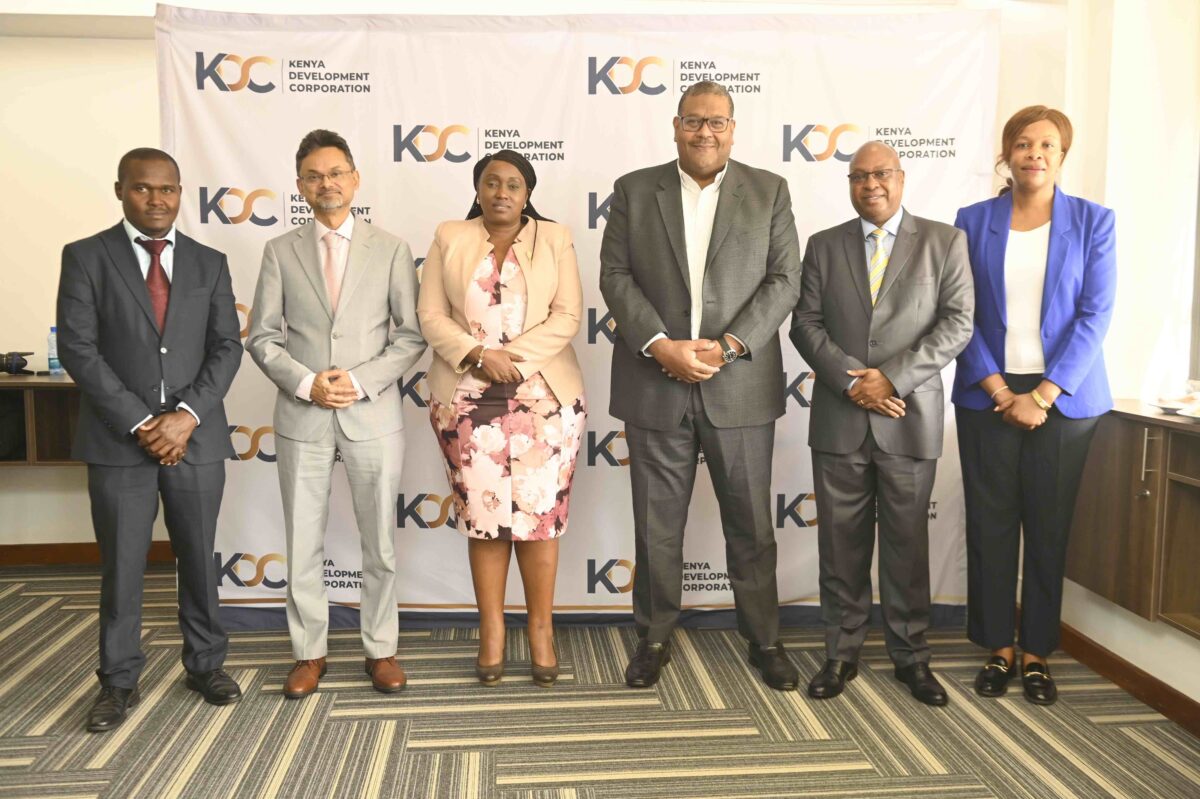
The high-level engagement, held in Nairobi on Tuesday (January 13, 2026), focused on
“implementation readiness, governance arrangements, and scaling potential” for the fund under
Component 3 of the Kenya Jobs and Economic Transformation (KJET) Project, as well as progress
under the Supporting Access to Finance and Enterprise Recovery (SAFER) Project.
A blended finance bet on jobs and resilience
At the heart of the initiative is a blended finance approach meant to reduce risk for private investors
while expanding affordable capital for firms investing in climate-aligned technologies. KDC said the
World Bank had reaffirmed its support for the platform, arguing that public resources and technical
assistance can be used to crowd in private money at a scale Kenya’s small businesses need.
KJET’s development objective is to increase private sector investment, market access, and
sustainable finance to create and improve jobs, aligning with Kenya’s broader climate resilience
agenda.
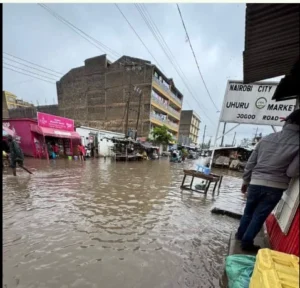
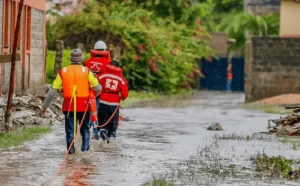
For thousands of SMEs, the stakes are immediate. Climate-driven disruptions, from flooding to
Prolonged dry spells can wipe out inventories, disrupt supply chains, and spike operating costs. InIn
that context, the fund is positioned not merely as an environmental instrument, but as a jobs and
competitiveness play: helping firms modernise, cut energy waste, and invest in more resilient
production.
Independence and governance in the spotlight
A key issue in the talks was governance, with the World Bank emphasising the importance of an
independent fund manager selected through a competitive process, now said to be at an advanced
stage. The Bank said this milestone is critical to instill commercial discipline, manage conflicts of
interest, and keep the fund aligned with both development impact and financial sustainability.
KDC Director General Norah Ratemo said the two programmes are already delivering tangible
outcomes by strengthening financial intermediaries and widening access to affordable financing for
businesses that often struggle to secure longer term credit.
“Through KJET and SAFER, KDC is delivering tangible results by crowding in private capital,
strengthening financial intermediaries, and expanding access to patient and affordable finance for
SMEs,” Ms Ratemo said, describing the green fund as “a critical step towards scaling climate smart
investments that create jobs, enhance resilience, and support sustainable enterprise growth.”
World Bank Regional Director Hassan Zaman said the work under KJET shows how structured
blended finance can unlock private investment while accelerating climate aligned growth, adding that
the Green Investment Fund could become a replicable model for meeting SMEs’ demand for
patient capital.
S
AFER’s footprint and what comes next
The meeting also reviewed progress under SAFER, which KDC said has supported over 37,000
enterprises, including women owned firms (38 percent), and enabled the creation of more than
25,000 jobs. The programme uses SACCOs and other intermediaries to extend tailored SME
products, including a digital lending window intended to reach micro businesses and speed up
approvals.
Beyond volumes and job counts, officials highlighted efforts to strengthen environmental, social and
governance safeguards in SME finance. KDC said it has enhanced its Environmental and Social
Management Systems, while participating financial institutions have been supported to embed ESG
screening, risk management and reporting in their lending processes.
The parties discussed opportunities for additional financing to scale SAFER interventions and
expand support for medium sized enterprises, citing demand from SACCOs and the growing role of
digital and tailored financial products as a route to deeper financial inclusion and business growth.
KDC, a state corporation under the Ministry of Investments, Trade and Industry, said the continued
collaboration with the World Bank is aimed at ensuring Kenyan enterprises have the finance and
tools needed to create jobs and build resilience in a changing climate.
About the Author