The United States has officially completed its withdrawal from the World Health Organization (WHO), marking a major shift in global health diplomacy.
In a joint statement, Health and Human Services Secretary Robert F. Kennedy Jr. and Secretary of State Marco Rubio confirmed the termination of U.S. membership, citing the WHO’s handling of the COVID-19 pandemic, failure to implement urgent institutional reforms, and inability to demonstrate independence from political influence by member states.
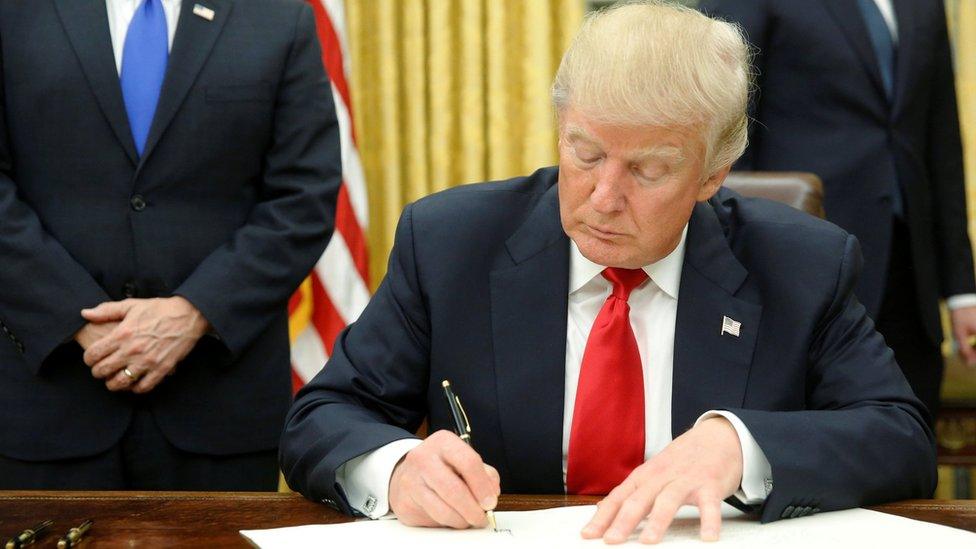
President Donald Trump first announced the decision to exit the WHO on January 20, 2025.
Over the course of the one-year withdrawal process, the United States halted all funding to the organization, withdrew American personnel, and began transitioning WHO-related activities to direct bilateral and multilateral engagements with other partners.
COVID-19 Response at the Center of Criticism
According to U.S. officials, the WHO’s delayed declaration of a global public health emergency and pandemic during the early stages of COVID-19 cost the world critical time as the virus spread rapidly across borders.
The organization was also criticized for echoing and praising China’s early response despite evidence of underreporting, suppression of information, and delays in confirming human-to-human transmission.
U.S. authorities further faulted the WHO for downplaying asymptomatic transmission risks and failing to promptly acknowledge airborne spread of the virus.
Concerns Over Reforms and Political Influence
Following the pandemic, the WHO did not enact what the U.S. described as “meaningful reforms” to address governance weaknesses, political pressure, and coordination failures.
These shortcomings, officials said, reinforced concerns that political considerations were prioritized over independent and rapid public health action, eroding global trust in the institution.
The U.S. also took issue with the WHO’s report on the origins of COVID-19, which dismissed the possibility of a laboratory-related incident despite China’s refusal to provide genetic sequences from early cases or transparency regarding activities and biosafety conditions at Wuhan laboratories.
U.S. Shifts to Direct Global Health Engagements
With the withdrawal now complete, the United States will coordinate with the WHO only in a limited capacity to finalize outstanding exit matters.
Going forward, the U.S. government says it will continue to assert global health leadership through existing and new partnerships directly with other countries, the private sector, non-governmental organizations, and faith-based groups.
These U.S.-led efforts will prioritize emergency response, biosecurity coordination, and health innovation.
“The United States remains the world’s leading force in protecting public health and responding rapidly to infectious disease threats,” the joint statement said, adding that future engagements will focus on protecting American interests while delivering tangible benefits to global partners.
About the Author