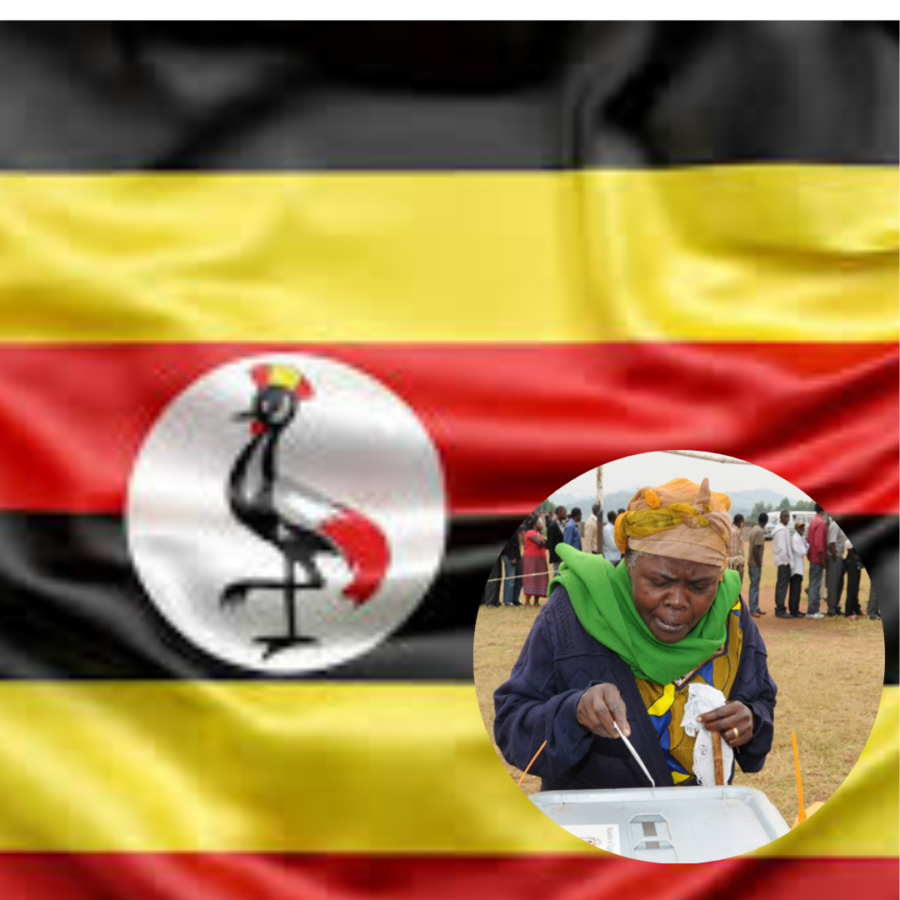
KAMPALA — Uganda goes to the polls today, Thursday with President Yoweri Museveni seeking a seventh term, a move that would stretch his time in power close to four decades. The vote comes at a moment of high stakes for a country young in age, rich in natural beauty, and divided over its future path.
From regional wars to oil ambitions, here are five things shaping Uganda today.
A security heavyweight in the region
Uganda’s modern politics are marked by conflict and command. The country is still haunted by the brutal rule of Idi Amin in the 1970s, a period Museveni helped bring to an end as a guerrilla leader. He seized power in 1986 and has since cast Uganda as a pillar of regional security.
That role has won him allies abroad. Uganda has supplied the largest share of African troops to Somalia’s fight against the al-Qaeda-linked group Al-Shabaab since 2007. Its soldiers have also crossed into the Democratic Republic of Congo during two devastating wars and remain active there.
Earlier this year, Kampala sent troops into South Sudan to back President Salva Kiir. Analysts said the move tested a United Nations arms embargo, though the Ugandan government defended it as a stabilizing mission.
A hard line on LGBTQ rights
Few policies have drawn sharper criticism than Uganda’s Anti-Homosexuality Act, signed into law in May 2023. The legislation imposes severe penalties for same-sex relations and for what it terms the “promotion” of homosexuality. In extreme cases, it allows for the death penalty, though executions have not been carried out for years.
Human Rights Watch said the law “made discrimination state policy”. The government rejects that view, arguing it reflects social values held by many Ugandans.
The fallout has been real. The World Bank paused new lending after the law was passed, resuming funding in mid-2025 after introducing safeguards aimed at preventing discrimination in its projects.
Betting on oil to change fortunes
Uganda’s economy still rests on the soil. Coffee leads exports, alongside refined gold and a growing tourism trade. The World Bank says growth stayed above six per cent in 2024 and 2025.
Yet poverty remains stubborn. Roughly six in ten Ugandans live on three dollars a day or less. Critics blame corruption and poor oversight for slowing progress.
The government’s answer is oil. Large reserves were found near Lake Albert in 2006. Production is expected to begin soon, with crude set to flow through a 1,443-kilometre heated pipeline to Tanzania’s port of Tanga. The $10 billion project, led by TotalEnergies and China’s CNOOC, has drawn fierce opposition from environmental groups concerned about displacement and climate risks.
One of the world’s youngest nations
Uganda is defined by its youth. The World Bank estimates that half of its 51.4 million people are under 18. Only a small fraction are over 65. This demographic boom brings energy and pressure in equal measure on schools, jobs and public services.
The country’s natural riches remain striking. Winston Churchill once called it the “Pearl of Africa”. From the rainforests of Bwindi, home to half the world’s mountain gorillas, to the snow-capped Rwenzori Mountains and the broad sweep of Lake Victoria, Uganda’s landscape is both an asset and a draw.
An open door to the displaced
Uganda hosts more refugees than any other African country. The United Nations puts the figure at about two million in 2025, many fleeing war in Sudan, South Sudan and eastern Congo.
The government has earned praise for allowing refugees to work and move freely. Aid groups, however, say resources are stretched thin. Kampala has also faced allegations of inflating refugee numbers to attract more aid, claims officials deny.
As ballots are cast, Uganda stands at a familiar yet fraught moment. Stability and experience are weighed against calls for change. For a young nation with old leadership, the choice will echo well beyond election day.
About the Author