

Life. Seasoned with perspective.
“Leadership often shows up in unexpected moments, from honest questions at home to tough lessons learned early in one’s career. This reflection explores why real leadership is less about pleasing everyone and more about making hard choices with clarity, courage, and heart.”

My secondborn loves the front passenger seat. She calls it her office. She is my ultimate co-driver. So this past week, as we cruised on a Naivasha run, she casually dropped a question that nearly made me miss a turn.
“Daddy, is it true that Ruto (Kenya’s President) is also the President of Singapore?”
I froze.
Wait. What?!
I have many thoughts about that Singapore story, and I have been itching to unpack them. But I will hold my peace for now. I come from a political bloodline, and some conversations are better postponed for family harmony.
Instead, let us talk about leadership.
One of the most comfortable positions in leadership is saying yes. It keeps the peace. It wins smiles. It delays confrontation. But here is the hard truth. Saying yes too often solves nothing. It only pushes the problem forward until it explodes.
Courage in leadership is the ability to disappoint, even when your intentions are good, especially when the pressure is emotional. Especially when people you care about are watching.
Tony Blair (former UK Prime Minister) once said that the art of leadership is saying no. It is better to be right and face resistance than to be wrong and be liked. Leadership is not a popularity contest. It is a responsibility with consequences.
Let us take it closer to home.
Every leader enjoys recognition. Appreciation feels good. Validation reassures us that our efforts matter. I see this play out daily in my house.
My lastborn is a master negotiator. A persuasive soul. And yes, a girl. Fathers of daughters know exactly what I am talking about. There is a certain look. A silent stare. A dramatic pause. And suddenly, the whole house knows the verdict has already been delivered.
This holiday season, her most repeated question has been slow, deliberate, and dangerous.
“Daddy… can… I… have… your phone?”
And honestly, half the time, leadership fails right there.
But leadership lessons did not start in my living room.
They started early.
In my first year of media school, I landed an attachment at one of the leading media houses in the country. I was placed in the newsroom, a pressure cooker of deadlines, egos, and ambition. Back then, newsrooms were not friendly places. You either learned fast or got swallowed whole.
The editors’ desk was intimidating. Legends. Names we quoted in class. One sub-editor in particular, let us call him Mr NB, was known for zero tolerance. Work was work. No shortcuts. No sympathy.
For interns, this meant survival tactics. Avoid eye contact. Stay invisible.
One afternoon, I was seated in the newsroom’s “jobless corner”, where interns and undervalued reporters waited to be ignored. Mr NB stepped out of his office looking for an experienced reporter. Unfortunately for him, and fortunately for me, everyone was out.
Our eyes met.
That was it.
I was sent out on an assignment, and what followed felt like punishment. I rewrote that story more than ten times. By the eighth rewrite, I was convinced the man hated me. By the tenth, I was ready to quit journalism altogether.
Finally, he approved the script.
Relief.
It was lunchtime. I rushed for the lift, planning to reward myself with a small snack. Just as the doors were closing, a hand stopped them. Mr NB stepped in.
Awkward silence.
Then he said something I have never forgotten.
“Twende nikununulie lunch, my friend.”
Then added with a smile, “Hauna pesa.”
We laughed. He bought lunch. We talked. And twenty-three years later, we still do.
That moment taught me something powerful. Good leadership is firm, but it is also human. It pushes you hard, then reminds you why.
I have held leadership roles most of my life. But in 2013, after a general election assignment at my second workplace, everything changed. Management shifted. I was promoted into proper leadership.
That promotion came with an unexpected cost. Freedom ended.
I was used to doing things myself. My way. Suddenly, I had to delegate and trust others to deliver the same results. It was uncomfortable. Frustrating. Humbling.
I am still learning.
Leadership is not glamorous. It comes with baggage. Tough decisions. Lonely moments. And the constant tension between being liked and being effective.
Sometimes, leadership means saying no to your children. Sometimes, it means rewriting a script ten times. Sometimes, it means letting go of control.
But always, leadership demands courage.
And the hardest word in leadership is still the simplest one.
No.
About the author
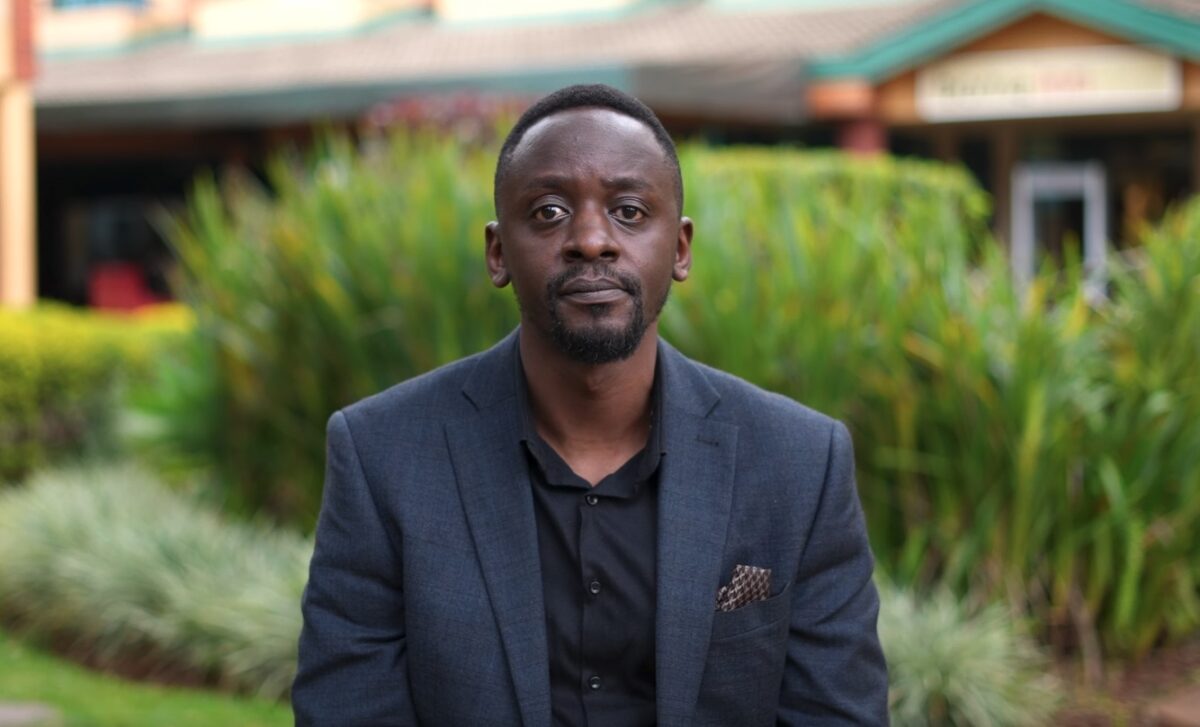
Kibisu Mulanda is a media executive and strategic communicator with over 20 years of experience in television, NGO storytelling, and youth-focused content. He is the Acting Head of Switch Media Ltd and teaches media at the Kenya Institute of Mass Communication (KIMC). A certified SIYB trainer, he blends storytelling with strategy to drive social impact.
About the Author