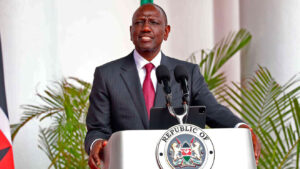

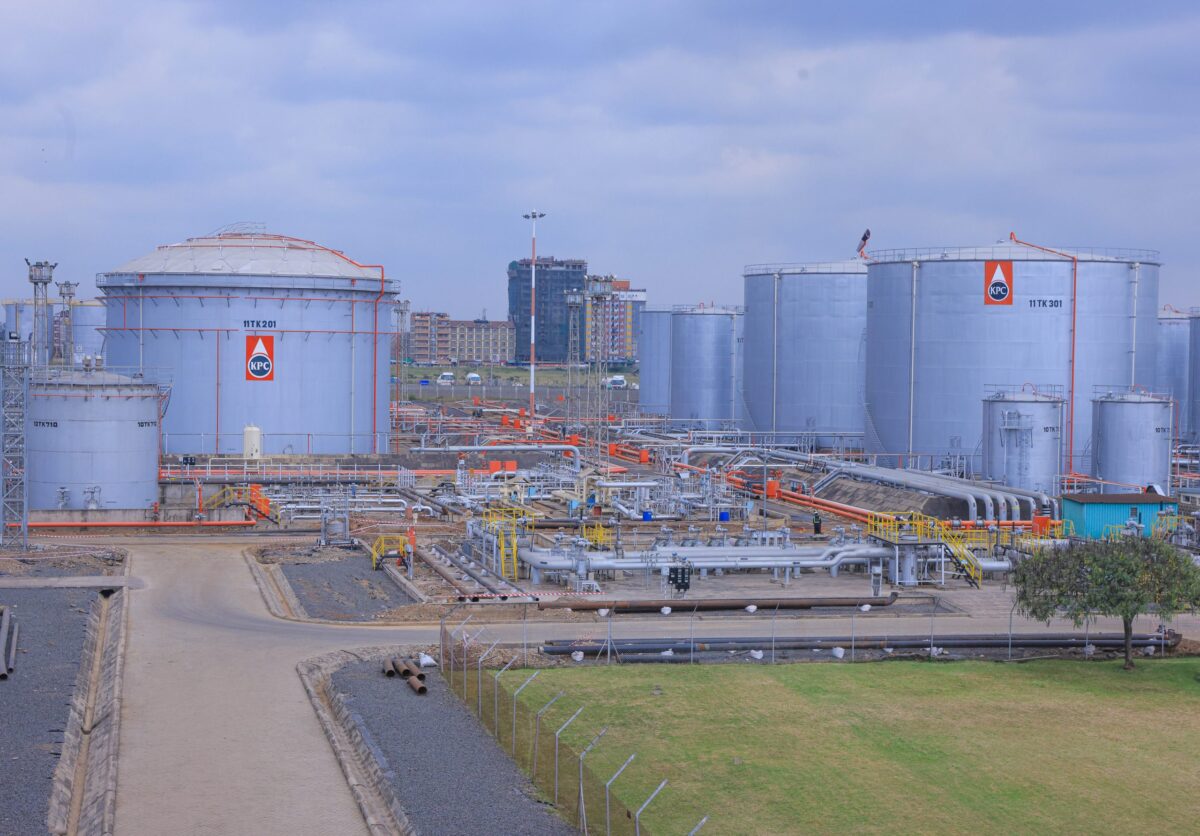
President William Ruto has confirmed that the Kenya Pipeline Company (KPC), one of the country’s most profitable state-owned enterprises, will be listed on the Nairobi Securities Exchange (NSE) this January, opening ownership to the public and marking a pivotal step in the government’s privatisation and capital markets agenda.
Speaking at a public event in West Pokot on Sunday, Mr Ruto said the share offer would be accessible to ordinary Kenyans, including small-scale investors. “We have said the shares will be sold to everyone,” he said. “Even if you have Sh200 or Sh300, come and buy, so that when profits are announced, you are part of it.”
The announcement provides the clearest timeline yet for a plan the administration has been signalling for more than a year: to partially privatise selected state corporations in order to raise capital, improve governance and reduce reliance on public borrowing.
A strategic asset goes to market
KPC operates the country’s petroleum pipeline network, transporting and storing fuel for Kenya and neighbouring states, including Uganda. Its role in regional energy security has long made it one of the government’s most closely held assets.
Treasury officials, led by Cabinet Secretary John Mbadi, have previously said a public listing would help fund the company’s expansion — including upgrades to regional infrastructure and diversification into related energy services — while subjecting it to the disclosure and governance standards required of publicly traded firms.
Under Kenyan law, companies listed on the NSE must publish audited financial statements, disclose material information to the market and comply with Capital Markets Authority (CMA) rules on corporate governance. The government has indicated it will retain a significant stake in KPC to safeguard national interests even as shares are offered to private investors.
Reviving a subdued stock market
The planned KPC listing comes at a delicate moment for Kenya’s capital markets. Trading activity at the NSE has thinned in recent years amid high interest rates, subdued economic growth and a wave of foreign investor exits, according to market data from the NSE and the CMA.
Analysts have argued that introducing a large, profitable company could help restore confidence and liquidity. In earlier remarks, Mr Ruto said KPC’s entry would “re-energise” the bourse by attracting both local savers and long-term institutional capital.
The President reiterated that point on Sunday, framing the listing as part of a broader push to deepen Kenya’s capital markets and expand citizen participation in the economy. “This is about giving Kenyans a chance to invest, grow their wealth and share in the benefits of national development,” he said.
Regional and international interest
Government officials have also said the offer would be open to international investors, including partners from East Africa. Uganda, which relies heavily on KPC’s infrastructure for fuel imports, has been cited as a potential co-investor — a move that would underscore the company’s regional significance.
Comparable listings of state-linked infrastructure firms elsewhere in Africa have drawn strong demand when backed by clear regulatory frameworks and credible governance reforms, according to recent assessments by the African Development Bank and regional investment banks.
What happens next
If completed as scheduled, the KPC share offer would be among the most consequential listings on the NSE in years, testing investor appetite and the government’s ability to balance public ownership with market discipline.
Details on the size of the stake to be sold, pricing and the final structure of the offer are expected to be released by the Treasury and market regulators in the coming weeks. For now, the January timeline sets a high bar — and signals the administration’s determination to push ahead with a reform programme that could reshape how Kenyans invest in their own infrastructure.
About the Author