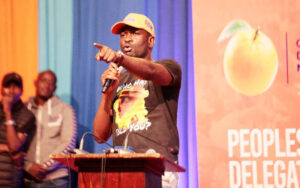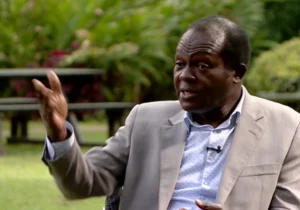
Nairobi — A court has granted bail to the president of the Atheist Society of Kenya after he was charged with spreading false information online about President William Ruto’s health and death, marking one of the most high-profile cybercrime cases in recent months.
Harrison Nyende Mumia, 47, appeared before Milimani Law Courts on Monday, where Chief Magistrate Dolphina Alego granted him a bond of KSh1 million or cash bail of KSh500,000 and ordered him to surrender his passport as the case continues. The charges stem from social media posts in late December that allegedly depicted President Ruto as critically ill or deceased, claims prosecutors say were untrue and harmful.
Social Media, Cybercrime Law and Public Figures
Mumia, who leads the Atheist Society of Kenya, has denied four counts under Section 22(1) of the Computer Misuse and Cybercrimes Act, 2018, which prohibits publication of false information with the intent to cause harm. Prosecutors allege the posts were published on both a pseudonymous Facebook account and Mumia’s Instagram account on 30 December 2025, showing images of the head of state lying on a bed in hospital or portrayed as deceased — content they say was entirely fabricated.
The bench scheduled the next mention of the matter for 19 January 2026, and prosecution has indicated its intent to present digital forensics evidence in court as part of its case.
Arrest and Questions About Digital Accountability
Mumia was arrested at his Komarock residence on New Year’s Eve, according to reports, and spent several days in custody before being produced in court. His legal team argued that he was not a flight risk and highlighted his known residence as a basis for bail.
The case brings into sharp focus Kenya’s evolving legal landscape on online misinformation and the responsibilities of social media users, especially around matters involving prominent public figures.
The Broader Context: Misinformation and Governance
Across Kenya and globally, rumours and fabricated content about political leaders have proliferated on digital platforms, particularly around sensitive periods such as elections and national crises. The Computer Misuse and Cybercrimes Act has been repeatedly invoked in recent years to prosecute online conduct deemed harmful, but human rights advocates have warned about potential misuse if evidentiary standards and procedural fairness are not upheld.
In high-stakes political environments, misinformation can ripple quickly, affecting markets, public confidence and diplomatic relations. The difficulty of regulating digital spaces while protecting freedom of expression remains a contentious policy area.
Reactions and Next Steps
As the legal process unfolds, civil liberties groups and digital rights organisations are expected to monitor the case, particularly regarding how courts balance public interest with the rights of individuals to express opinions online.
For now, Mumia remains free on bail, with proceedings in the early stages. The January court date will offer the prosecution its first structured opportunity to present evidence, and will likely set the tone for how similar cases are handled in Kenya’s courts in the digital era.
About the Author