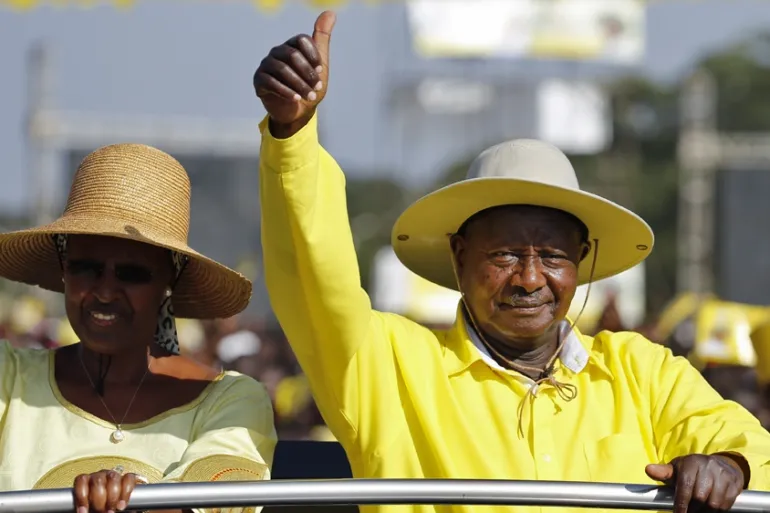
As Uganda gears up for its general election in January 2026, all eyes are on President Yoweri Kaguta Museveni, a towering figure in East African politics whose name is almost synonymous with modern Uganda.
Museveni, 81 years old and in power since January 1986, is now seeking what would be his seventh presidential term, a milestone that would take his rule close to half a century — longer than any other non-royal head of state in Africa. His bid comes amid growing domestic pressures and calls for generational change, even as he continues to command a formidable political machine and deep roots in Uganda’s state institutions.
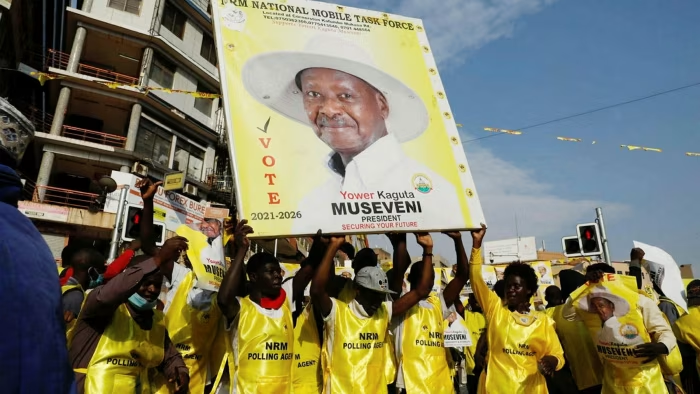
From Rebel Leader to President
Born on 15 September 1944 in Ntungamo District, western Uganda, Museveni grew up in a cattle-keeping family. His early life was shaped by the political ferment of post-colonial East Africa and his studies at the University of Dar es Salaam, where he became involved with left-wing student movements and formed alliances with other African revolutionaries.
His political trajectory took a militant turn following the brutality of Idi Amin’s military dictatorship in the 1970s. Museveni founded the Front for National Salvation (FRONASA) and, later, the National Resistance Movement (NRM) and its armed wing, the National Resistance Army (NRA). After a bloody guerrilla war that began in 1981 and spanned five years, his forces captured Kampala in January 1986 and he declared himself president.
At home, his rise was greeted by many as liberation from years of turmoil under successive military rulers. In his earliest speeches, Museveni spoke of a “fundamental change” rooted in security, democratic renewal, and economic reconstruction — ambitions that resonated with a population exhausted by chaos.
Governance, Growth and Early Reforms
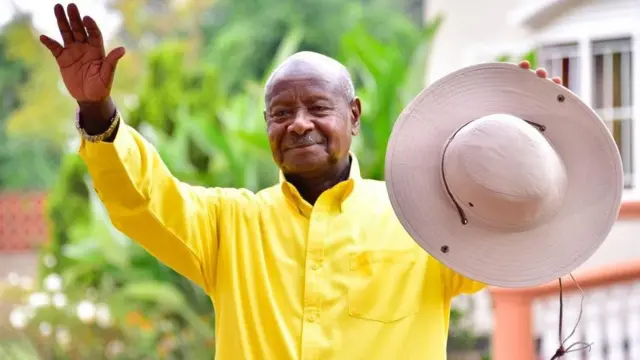
In the first decade of his presidency, Museveni drew praise from Western governments and development institutions for stabilising Uganda’s battered economy, promoting growth and tackling HIV/AIDS. Under his leadership, primary school enrolment expanded dramatically, and Uganda became one of the early African success stories in slowing HIV prevalence.
His government also implemented reforms aligned with structural adjustment programmes, liberalised sections of the economy, and restored investor confidence. Political change followed a 2005 referendum that restored multiparty democracy and marked a shift from the “Movement System”, which had limited political parties in favour of individual candidature.
Regionally, Museveni positioned Uganda as a significant power broker. He deployed Ugandan troops to peacekeeping missions in Somalia and engaged in complex interventions in neighbouring Rwanda and the Democratic Republic of Congo. His forces were instrumental in the overthrow of Mobutu Sese Seko and provided support to allied factions in regional conflicts — actions that enhanced Uganda’s military reputation, even as they drew criticism over allegations of resource exploitation and destabilising influence.
Consolidation of Power and Constitutional Changes
While early years brought praise, Museveni’s long grip on power has increasingly drawn scrutiny. His government amended the 1995 constitution twice to eliminate barriers to extended rule. In 2005, presidential term limits were removed; in 2017, age limits were eliminated — changes that cleared the way for Museveni’s continued presidency well beyond traditional retirement ages.
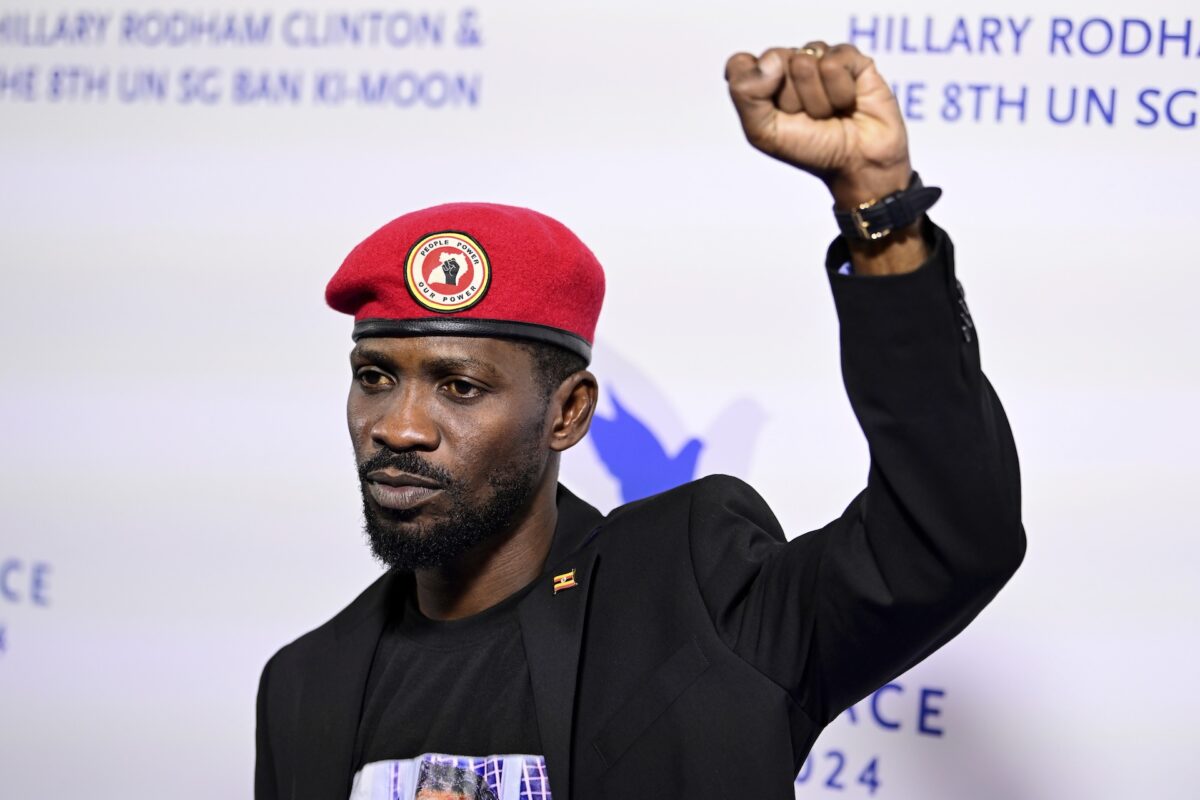
These moves, critics argue, have entrenched a system where incumbency and state resources outweigh genuine competition. Opponents such as Robert Kyagulanyi Ssentamu (Bobi Wine) — a musician-turned-politician — have accused Museveni’s administration of suppressing dissent, leveraging security forces to intimidate rivals, and overseeing elections marred by irregularities.
Human rights groups and opposition figures have repeatedly highlighted Ugandan elections as falling short of internationally recognised standards of freedom and fairness, even as government officials defend the processes and deny manipulation. For example, observers pointed to ballot box stuffing, unusually high turnout rates in some areas, and restrictions on independent monitoring during past elections. Wikipedia
Challenges Ahead: Youth, Economy and Security
As Museveni seeks another term, Uganda faces a set of evolving challenges. The country’s youthful population — with a median age well below 20 — has shown increasing impatience with long-standing leadership and slow progress on jobs and opportunities. Bobi Wine’s popularity among younger voters has become a symbol of this generational push for change.
Economically, while Uganda has seen periods of growth, it remains a lower-middle-income country with persistent concerns about corruption, inequality and reliance on agriculture. The government has recently pointed toward oil production as a potential engine for growth, aiming to boost GDP significantly in coming years.
Security remains central to Museveni’s appeal among supporters. His long fight against the Lord’s Resistance Army (LRA) insurgency and participation in regional anti-terror and peacekeeping efforts have painted him as a guarantor of stability in a volatile region. However, critics argue that security forces have also been used to narrow civic space and intimidate opposition.
Legacy and the 2026 Election
As Uganda approaches the 15 January 2026 poll, Museveni stands at a critical juncture. His campaign pledges to pursue economic transformation — including ambitious targets such as growing Uganda into a $500 billion economy — aim to appeal to both domestic and international audiences.
Yet the election also represents a profound test of Uganda’s democratic institutions. With key opposition figures, allegations of irregularities and an electorate increasingly vocal about change, the race is about more than who leads Kampala — it is a referendum on how power is exercised and transferred in one of Africa’s most enduring presidencies.
Whether Museveni’s vast political experience and strategic networks will secure him another term, or whether a surge of youthful opposition will redefine Uganda’s future, remains one of the continent’s most closely watched political dramas. His legacy — shaped by early achievements in stability and subsequent controversies over governance — continues to unfold in the lead-up to what could be the most consequential election of his remarkable political career.
About the Author