

The latest KCSE results signal modest improvement. Enrolment increased, performance edged up, and more candidates secured the grades required for university entry.
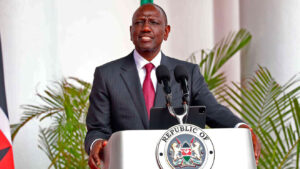
This year’s results were released on Friday at AIC Chebisas High School in Eldoret by the Education Cabinet Secretary, Julius Migos Ogamba.
“This year’s outcomes show a gradual but clear improvement,” Mr Ogamba said
Close to one million candidates sat the exams, that is 993,226 candidates to be to be exact. That is about 31,000 more than last year, a rise of just over three per cent. It is one of the highest KCSE candidatures on record, reflecting both population growth and improved school retention.
Performance followed a similar upward path. Seventeen subjects posted better results, matching last year’s figure. Eleven subjects slipped, one more than in 2024. Education officials described the pattern as stable, though uneven.
Top grades remained rare, but edged up. A total of 1,932 candidates scored an A (plain), slightly higher than the 1,693 recorded last year. In percentage terms, the change was small. Symbolically, it mattered.
The bigger shift came at the university threshold. Candidates scoring C+ and above rose to 270,715, or just over 27 per cent. Last year, the figure stood at 25.5 per cent. Half of all candidates scored at least a C–, while nearly two-thirds attained D+ and above, the minimum pass grade.
For universities struggling with fluctuating enrolment, the numbers are welcome. For families, they offer renewed hope in a system long criticized for high-stakes pressure and narrow chances.
School type still mattered. National schools dominated the top tier, producing more than 1,500 A grades. Extra-county and private schools followed at a distance. Yet at the middle level, sub-county schools outperformed county schools in the number of students attaining C+ and above, a reminder that strong results are no longer the preserve of elite institutions.
Gender patterns echoed familiar trends. Girls outperformed boys in languages and creative subjects, including English, Kiswahili and Art & Design. Boys did better in sciences, mathematics and technical subjects such as Building Construction and Business Studies. In seven subjects, including Physics and Computer Studies, performance was broadly similar.
On integrity, the ministry struck a firm tone. A total of 1,180 candidates were found to have engaged in examination misconduct.
“Consequently, and in line with the law and regulations, their results have been cancelled,” Mr Ogamba said.
The figure is lower than in some past years, though officials stopped short of declaring victory over cheating.
As students begin checking their results on the Kenya National Examinations Council portal, attention now shifts to university placement through KUCCPS. For many, the grades mark the end of a long journey.
About the Author